
Salads
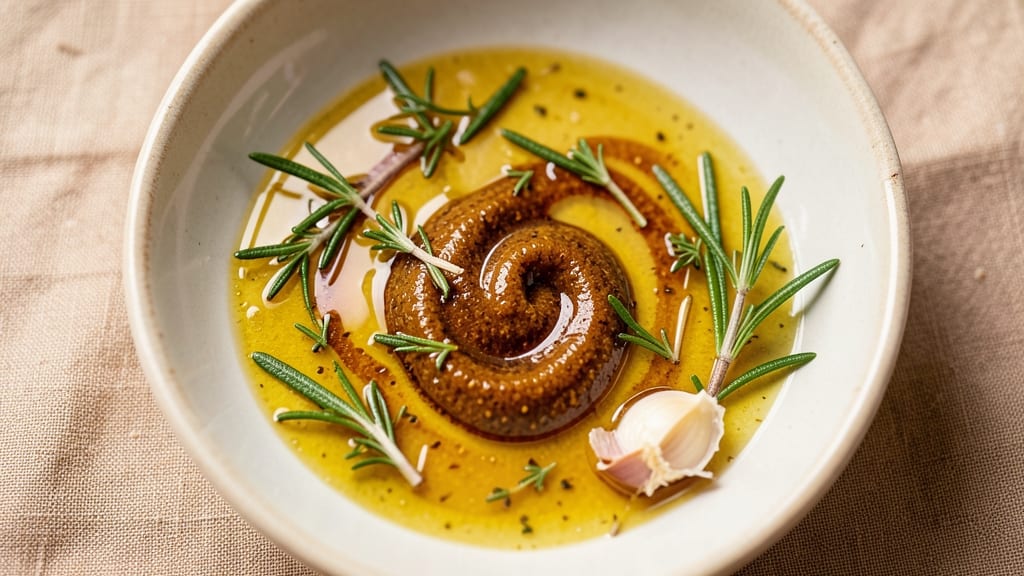
This apple cider vinegar and olive oil salad dressing recipe transforms simple pantry staples into a vibrant, tangy dressing that elevates every salad. The bright acidity of apple cider vinegar cuts through rich ingredients, while high-quality olive oil adds a smooth, fruity richness—perfect for balancing bold flavors.
I developed this recipe after realizing most store-bought dressings lacked the fresh, herbaceous depth I craved, so I simplified the process without sacrificing quality.
The beauty of this dressing lies in its versatility—it works equally well on crisp greens, hearty grain bowls, or grilled vegetables. A touch of Dijon mustard adds subtle depth, while fresh herbs like thyme or rosemary contribute an aromatic complexity.
The dressing keeps for up to two weeks in the fridge, making it ideal for meal prep, and its clean, tangy profile makes it a pantry essential for any home cook.
What makes this recipe stand out is the balance of simplicity and sophistication. No complicated techniques are required—just whisk together the ingredients and let the flavors meld. The result is a dressing that’s bright enough to stand alone but flexible enough to complement any dish.
Whether you’re prepping lunches for the week or dressing a last-minute salad, this recipe delivers consistent, restaurant-quality results.
For those who prefer a sweeter touch, a hint of honey or maple syrup can be added, though the dressing shines just as well in its classic form. The key is using high-quality olive oil—the difference in taste is noticeable, and it’s worth the investment.
Let’s get started on this dressing that will quickly become your go-to for salads and beyond.
Ingredients for apple cider vinegar and olive oil salad dressing
Nine simple ingredients create a dressing that’s bright, tangy, and herb-forward—perfect for any salad.
| Ingredient | Amount | Notes |
|---|---|---|
| Apple Cider Vinegar 🍏 | ½ cup | Raw, unfiltered preferred |
| Extra-Virgin Olive Oil 🫒 | ¾ cup | High-quality, fruity variety |
| Dijon Mustard 🍯 | 1 tbsp | Mild or strong based preference |
| Fresh Thyme Leaves 🌿 | ¼ cup | Finely chopped, stems removed |
| Fresh Rosemary Sprigs 🌿 | 1 tbsp | Finely chopped, leaves only |
| Garlic Cloves 🧄 | 2 cloves | Minced or finely grated |
| Sea Salt 🧂 | ½ tsp | Fine grain preferred |
| Black Peppercorns 🌶️ | ¼ tsp | Freshly ground preferred |
| Maple Syrup 🍁 | 1 tbsp | Optional for sweetness |
The olive oil is non-negotiable here—look for extra-virgin with a fruity aroma and peppery finish. Trader Joe's and Whole Foods carry excellent options, but any reputable brand will work. Apple cider vinegar should be raw and unfiltered for maximum flavor—avoid the clear, processed kind. Fresh herbs are ideal, but if you’re using dried, reduce to one-third the amount. The Dijon mustard adds depth, so don’t skip it; even a mild variety elevates the dressing.
No fresh thyme? Dried thyme at half the amount works in a pinch, though the flavor won’t be as vibrant. Swap rosemary for fresh parsley if needed—it’s a common herb sub. The maple syrup is optional, but if you prefer a sweeter dressing, agave nectar is a great alternative. For a sharper kick, add a pinch of red pepper flakes (about ¼ tsp). The garlic can be pre-minced from a jar, but freshly grated adds a brighter flavor—worth the extra 30 seconds if you’re feeling fancy.
Store in an airtight container in the fridge for up to two weeks. The flavors meld beautifully over time, so it’s even better the next day. For meal prep, portion into small jars—this dressing keeps for up to a month in the freezer if you add an extra splash of olive oil as a preservative layer. Shake well before each use, as the herbs may settle.
Why You'll Love This Recipe
- Five-Ingredient Magic: I swear by this dressing because it’s that simple—just shake, taste, adjust. No straining, no fancy tools, just raw apple cider vinegar cutting through the richness of the olive oil while Dijon mustard ties it all together. Honestly, I’ve made it wrong three times (too much rosemary, anyone?), but now it’s my go-to for when I’m too tired to think.
- Herb-Packed Punch: That first tangy hit of apple cider vinegar? It’s addictive. But the real star is the fresh thyme and rosemary—crushed sprigs steeped right into the oil—adding an earthy, aromatic depth that makes this dressing taste like it came from a bistro, not my kitchen. (Yes, even on a Tuesday night.)
- Works Everywhere: This dressing is my secret weapon for salads, roasted veggies, or even drizzled over grilled chicken. I keep a jar in my fridge for when I’m prepping meals for the week—it elevates everything without overpowering. Between us, it’s the only dressing my picky teenage son will actually eat on his greens.
- No-Waste, Long-Lasting: The best part? It keeps for weeks in the fridge, and the flavors only get better as the herbs infuse deeper. I make a big batch on Sundays, and by Wednesday, it’s still bright and tangy—no sad, watered-down leftovers here. Plus, using fresh herbs means I’m not buying pricey pre-made dressings that taste like regret.
Step-by-step instructions for apple cider vinegar and olive oil salad dressing
This dressing delivers bright acidity and aromatic depth with minimal effort.
Combine Vinegar and Mustard
In a medium bowl, pour the 0.5 cup apple cider vinegar and add the 1 tablespoon Dijon mustard. Whisk vigorously for 30 seconds until the mustard is fully incorporated and the mixture becomes smooth. The vinegar will initially look cloudy, but it will clear as you work it into the mustard.
This foundational step creates the dressing's tangy base. The Dijon mustard adds subtle depth and helps emulsify the oil later. If you prefer a smoother texture, strain the mixture through a fine-mesh sieve to remove any mustard seeds or thick lumps.
Add Maple Syrup and Seasonings
Stir in the 1 tablespoon maple syrup, 0.5 teaspoon sea salt, and freshly cracked 0.25 teaspoon black peppercorns. Mix well until the maple syrup dissolves completely. The syrup will mellow the vinegar's sharpness while adding a subtle sweetness that balances the acidity.
Taste the mixture at this stage. You should detect a bright, tangy flavor with a touch of sweetness and a hint of peppery heat. If the dressing tastes too sharp, add a pinch more maple syrup. If it needs more acidity, add a splash of additional vinegar. Adjust seasonings now to avoid overpowering the final product.
Incorporate Fresh Herbs and Garlic
Add the finely chopped 0.25 cup fresh thyme leaves and 1 tablespoon fresh rosemary sprigs, followed by the minced 2 cloves garlic. Stir gently to distribute the herbs and garlic evenly. The herbs should be finely chopped to prevent a grainy texture, and the garlic should be minced rather than crushed to avoid bitterness.
Let the mixture sit for 5 minutes to allow the garlic and herbs to infuse. This brief resting period enhances their flavors, making them more aromatic and integrated into the dressing. The thyme and rosemary will release their essential oils, giving the dressing a fragrant, earthy quality.
Gradually Emulsify the Olive Oil
With the bowl positioned over a sink or large container, slowly drizzle in the 0.75 cup extra-virgin olive oil while whisking continuously. Start with a slow stream and gradually increase the pace as the mixture begins to thicken. The key is to whisk vigorously to create a stable emulsion.
This step is critical for achieving a silky, well-balanced dressing. If the oil separates, simply whisk again until it re-emulsifies. For extra insurance, add the oil in two batches, whisking thoroughly between additions. The result should be a glossy, creamy dressing with a velvety texture.
Taste and Adjust for Perfection
Taste the dressing and make any final adjustments. If it needs more acidity, add a splash of vinegar. If it tastes too sharp, add a touch more maple syrup. The dressing should have a bright, tangy flavor with a smooth, slightly sweet finish and a subtle herbal aroma.
Transfer the dressing to a clean jar or airtight container. It will keep in the refrigerator for up to 2 weeks, though the flavors will continue to meld and deepen over time. Shake well before each use, especially if it separates, as the oil and vinegar are naturally prone to doing so.
Pro Tips For Making Apple Cider Vinegar And Olive Oil Salad Dressing
- Whisk in stages: Start with just the vinegar and mustard—this prevents a sudden oil explosion when you add the olive oil. Stirring slowly while drizzling in the oil also creates a smoother emulsion, so don’t dump it all in at once.
- Use room-temperature oil: Cold olive oil from the fridge will make your dressing separate faster. Let the bottle sit out for 10-15 minutes before measuring—it blends better and keeps the dressing stable longer.
- Strip rosemary needles first: Sprigs of rosemary are stubborn—strip the needles off the stems with your fingers before adding them. This releases more flavor and avoids chewing on woody bits while eating.
- Salt the mustard: Dijon mustard tastes flat without salt. Mix in a pinch (about ¼ teaspoon) while stirring it into the vinegar—it balances the acid and rounds out the flavor before the oil comes in.
Make-ahead tips for this apple cider vinegar and olive oil salad dressing
Prep Ahead Strategy
Make this dressing 2-3 days in advance for the best flavor development. The herbs and garlic infuse more deeply over time, creating a richer, more complex taste. I always prep a batch on Sunday so it’s ready for the week ahead—just shake and pour!
Store in a glass mason jar with a tight-fitting lid to preserve freshness. 📅
Portion Control
Divide the dressing into small glass jars (like 4-ounce size) for easy grab-and-go use. This prevents over-dilution when tossing salads and keeps the herbs suspended. Label each jar with the date—it’s ready to use for up to 2 weeks in the fridge.
For longer storage, freeze portions with an extra 1 tablespoon olive oil as a protective layer.
Herb Preservation
If you’re prepping without fresh herbs, store the dressing without them and add finely chopped herbs just before serving. This keeps the dressing vibrant and prevents the herbs from turning bitter.
For dried herbs, use ⅓ the amount and add them directly to the jar. The flavor won’t be as bright, but it’s a great backup option.
Freezer-Friendly Tips
Freeze the dressing in ice cube trays for single-serving portions. Once frozen, transfer the cubes to a ziplock bag and thaw in the fridge overnight. This method works especially well for the maple syrup version, as it prevents crystallization.
Just add a splash of water if the texture seems too thick after thawing. ❄️
Reheating (Yes, Really!)
While this dressing isn’t meant to be reheated, a quick 10-second microwave zap can restore its silky texture if it separates after freezing. Stir well and let it sit for 2 minutes before using.
For best results, though, always use it cold—this dressing is designed to be bright and refreshing, not warm.
Meal Prep Pairings
Pair this dressing with pre-cut veggies (like bell peppers, carrots, and cucumbers) stored in separate containers. Toss them with the dressing just before eating to keep them crisp.
I also prep hard-boiled eggs and grilled chicken strips in advance—they pair perfectly with this tangy dressing. Plan your week’s salads around this dressing to streamline prep! 🥗
Nutrition facts
Frequently asked questions
Can I use white vinegar instead of apple cider vinegar?
While it'll work in a pinch, apple cider vinegar adds a subtle sweetness and complexity that white vinegar lacks. For the best flavor, stick with apple cider, but if you must substitute, add an extra ½ teaspoon maple syrup to compensate for the missing depth. The dressing will still be tangy, just less nuanced.
How do I fix a dressing that separated?
Simply whisk vigorously for 30-60 seconds—the oil and vinegar will re-emulsify. For stubborn separation, add 1 teaspoon Dijon mustard or a splash of warm water, then whisk again. The key is patience: keep whisking until smooth. This happens naturally with oil-based dressings, so don't worry!
What herbs can I substitute if I don't have thyme or rosemary?
Fresh parsley and basil work beautifully—try 2 tablespoons parsley plus 1 tablespoon basil for a brighter, sweeter profile. For a more earthy flavor, swap rosemary with 1 tablespoon oregano. Always chop herbs finely to avoid texture issues, and adjust seasonings after tasting.
Can I make this dressing without garlic?
The garlic adds depth but isn't essential. If omitting, increase the salt slightly (¼ teaspoon more) to balance flavors. For a garlic-free version, add a pinch of onion powder (¼ teaspoon) to maintain savory notes. The dressing will still be delicious—just more mellow.
How much dressing should I make for a family of 4?
This recipe yields about 1½ cups, perfect for 4 servings. For larger groups, double the ingredients—just whisk in batches to maintain emulsion. Store extras in small jars (like 4-ounce portions) to prevent over-dilution when tossing salads. The dressing keeps for 2 weeks in the fridge.