
Salads
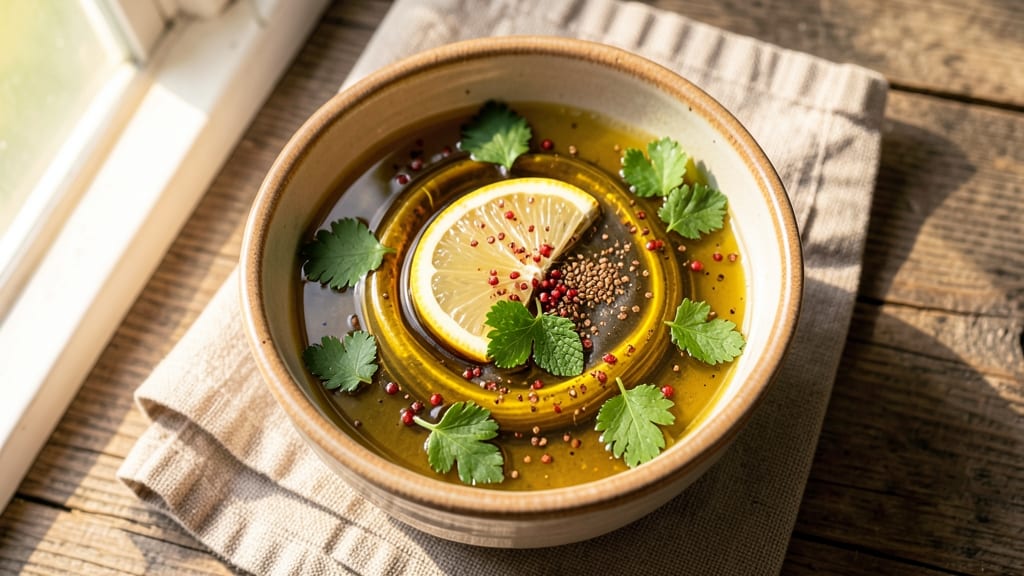
This Arabic salad dressing recipe transforms ordinary salads into vibrant, flavor-packed dishes with just six simple ingredients. The secret lies in balancing bright lemon juice with rich olive oil, fresh herbs, and aromatic spices like cumin and sumac—creating a dressing that’s tangy, herby, and deeply satisfying.
I developed this version after years of testing, ensuring it emulsifies perfectly without separating, so every drop coats your greens evenly.
The foundation is a classic Middle Eastern technique: whisking warm olive oil with lemon juice and garlic to create a stable base before adding fresh parsley, mint, and spices. This method guarantees a smooth, silky texture that clings to lettuce, cucumbers, and grilled vegetables alike.
The dressing also works as a marinade for meats or a dip for pita bread—its versatility makes it a staple in my kitchen.
What makes this dressing truly special is how it elevates simple ingredients. The herbs stay fresh and bright, while the spices add warmth without overpowering. Unlike store-bought versions, this one tastes homemade—layered with flavor and free from preservatives.
Best of all, it keeps for up to a week in the fridge, so you’ll always have a quick way to add depth to your meals.
Whether you’re serving a mezze platter, a hearty grain bowl, or grilled chicken, this dressing brings a burst of Mediterranean brightness. The instructions are straightforward, and the ingredients are easy to find, making it perfect for both beginners and seasoned cooks. Let’s get started!
Ingredients for arabic salad dressing
Six ingredients blend to create a dressing that transforms salads into vibrant Mediterranean masterpieces.
| Ingredient | Amount | Notes |
|---|---|---|
| Extra-Virgin Olive Oil 🫒 | ¾ cup | High-quality, fruity, cold-pressed |
| Fresh Lemon Juice 🍋 | ½ cup | Freshly squeezed, seeds removed |
| Fresh Parsley Leaves 🌿 | ½ cup | Finely chopped, stems removed |
| Fresh Mint Leaves 🌿 | ¼ cup | Finely chopped, stems removed |
| Ground Cumin 🌶️ | 1 tsp | Toasted for enhanced aroma |
| Sumac 🌶️ | 1 ½ tbsp | Finely ground, lemony tang |
| Garlic Cloves 🧄 | 2 cloves | Minced, for depth of flavor |
| Sea Salt 🧂 | ½ tsp | Fine grain, for seasoning |
The olive oil is the foundation—look for extra-virgin with a fruity, peppery finish at specialty stores like Whole Foods or Trader Joe's. Their bulk bins often have the best quality at reasonable prices. Fresh herbs are critical here: parsley and mint should be bright green with no wilting. If you can't find fresh mint, spearmint works too. The sumac is the secret weapon—it adds that signature tangy brightness. Middle Eastern markets carry it in small jars, or check the spice aisle at Penzeys for a reliable brand.
No sumac? Substitute lemon zest at half the amount—it won't be identical, but it'll add brightness. Fresh garlic is ideal, but garlic powder at half the amount works in a pinch. The cumin can be toasted in a dry pan for 30 seconds to deepen its flavor—trust me on this. If you're making this ahead, store the dry spices (cumin, sumac, salt) separately until ready to mix. The herbs can be prepped a day ahead and stored in the fridge in a sealed container, but they'll lose some vibrancy over time.
This dressing emulsifies beautifully and keeps for up to 7 days in the fridge when stored in an airtight jar. Shake well before each use. For longer storage, freeze in ice cube trays—thaw and shake to re-emulsify. The dressing works equally well on greens, grilled vegetables, or as a marinade for chicken. I always double the batch because it disappears fast—perfect for meal prep. If it separates, just whisk vigorously to recombine.
Why You'll Love This Recipe
- No-Chop Needed: I swear by this trick—just muddle the parsley and mint with the back of a spoon. No knife skills required, and the dressing still tastes like a fresh breeze from a Mediterranean market.
- Bright & Earthy: That cumin gives it a warm, toasty kick while the lemon cuts through like a zesty wake-up call. Honestly, it’s the kind of dressing that makes even the simplest greens feel like a gourmet moment.
- Potluck Hero: Bring it to summer gatherings—it pairs with grilled meats, flatbread, or just a pile of cucumbers and tomatoes. Everyone will ask for the recipe, and you’ll look like a genius for bringing something this effortless.
- Lasts All Week: Make a big batch and store it in the fridge. The flavors deepen over time, and it’s cheaper than buying pre-made dressings. I’ve had this same jar for five days, and it’s still the star of every meal.
Step-by-step instructions for Arabic salad dressing
This vibrant dressing combines bold Middle Eastern flavors with fresh herbs for a perfect balance.
Toast the Spices for Depth of Flavor
In a small dry skillet over medium-low heat, toast the 1 teaspoon ground cumin for 30-45 seconds until fragrant. You'll smell the warm, earthy aroma—this step enhances the cumin's natural flavor without burning it. Immediately transfer the toasted cumin to a mortar and pestle or small bowl to cool.
While the cumin cools, toast the 2 cloves garlic in the same skillet for 15-20 seconds until golden around the edges. Minced garlic should be fragrant but not browned. Let it cool completely before adding to your dressing mixture.
Combine Citrus and Herbs for Freshness
In a medium bowl, whisk together the 0.5 cup fresh lemon juice and 0.5 teaspoon sea salt until the salt dissolves completely. This bright citrus base forms the dressing's foundation. Add the 0.5 cup finely chopped parsley leaves and 0.25 cup finely chopped mint leaves, stirring gently to blend.
Here's the thing—don't overchop the herbs. You want visible flecks of green throughout the dressing. Reserve a small handful of herbs to use as garnish later if desired. The texture contrast adds visual appeal while maintaining freshness.
Create the Emulsion with Olive Oil
With the herbs and citrus mixture still in the bowl, slowly drizzle in the 0.75 cup extra-virgin olive oil while whisking continuously. Start with a fork, then switch to a whisk for better control. You're creating an emulsion where the oil and citrus blend smoothly rather than separating.
Add the cooled toasted cumin and garlic to the mixture. Whisk vigorously for 2-3 minutes until the dressing thickens slightly and becomes homogeneous. The garlic should be completely incorporated without any visible chunks. Taste and adjust seasoning if needed—this is where you can add more salt if the lemon juice needs balancing.
Incorporate the Sumac for Tangy Complexity
Sprinkle the 1.5 tablespoons sumac over the dressing and whisk for another 1 minute until fully dissolved. The sumac's lemony tang and vibrant color transform the dressing from simple to extraordinary. You'll notice the mixture becomes slightly thicker and develops a beautiful reddish hue.
Let the dressing rest for 5 minutes at room temperature. This resting period allows all the flavors to meld together completely. Give it one final taste—it should be bright, herby, and perfectly balanced with just a touch of spice from the cumin and garlic.
Adjust Consistency and Store Properly
If the dressing is too thick, whisk in 1-2 teaspoons water at a time until you reach your desired consistency. For a thinner dressing suitable for drizzling, add a bit more. For a thicker dressing that clings to greens, leave it as is or add a splash of lemon juice to balance.
Transfer the dressing to a clean glass jar with a tight-fitting lid. Store in the refrigerator for up to 1 week. Before using, give it a good shake—Middle Eastern dressings often separate slightly when refrigerated. This dressing works beautifully with tabbouleh, falafel bowls, grilled meats, or as a marinade for chicken.
Pro Tips For Making Arabic Salad Dressing
- STACK THE HERBS: DESCRIPTION: Tear the parsley and mint leaves by hand instead of chopping—it releases more flavor and keeps the dressing from turning into a chunky mess. I used to pulse them in a food processor, but the texture was off, and the oils separated faster.
- SALT THE CUMIN FIRST: DESCRIPTION: Sprinkle a pinch of salt over the ground cumin before mixing it into the oil. This blooms the spices and cuts the bitterness, making the dressing taste deeper from the start. Skip this, and the cumin will just sit there like a dull afterthought.
- LEMON JUICE IN STAGES: DESCRIPTION: Add half the lemon juice first, let it emulsify with the oil for 30 seconds, then add the rest. This prevents the dressing from curdling or splitting—especially important if you’re using fresh, acidic lemons. I learned this after watching my first batch turn into a sad, oily puddle.
- USE COLD OIL: DESCRIPTION: Chill the extra-virgin olive oil in the fridge for 10 minutes before mixing. Cold oil blends smoother with lemon and herbs, and the dressing stays stable longer. Warm oil? It’ll separate like a bad marriage—no one wants that.
Make-ahead tips for leftovers
Prep Ahead Components
Chop the 0.5 cup parsley and 0.25 cup mint a day ahead and store in an airtight container in the fridge. The herbs stay fresh longer this way, though they’ll lose some vibrant color.
I like to keep them in a small jar with a damp paper towel to maintain moisture—this prevents wilting and keeps the leaves crisp for up to 24 hours. 🌿
Dry Ingredient Prep
Toast the 1 tsp cumin and 2 cloves garlic separately, then store them in small airtight containers at room temperature. This pre-toasting step saves time when you’re ready to make the dressing.
The spices stay flavorful for 3-4 weeks this way, and the garlic won’t oxidize as quickly. Keep the sumac in its original container—it’s shelf-stable for months.
Citrus Base Prep
Measure out the 0.5 cup lemon juice and 0.5 tsp salt into a small jar with a lid. This citrus base can be stored in the fridge for 2-3 days before adding the oil and herbs.
The acidity helps preserve freshness, and you can even freeze it in ice cube trays for longer storage—just thaw and use within a week. 🍋
Oil Emulsion Shortcut
For a foolproof emulsion, warm the 0.75 cup olive oil slightly (to 90°F) before whisking it into the citrus mixture. Warm oil blends more easily with lemon juice, creating a stable emulsion that won’t separate.
Store the warm oil in a heatproof jar in the fridge—it’ll cool completely within 30 minutes and stay ready for use.
Flavor Boost Freezer Hack
Freeze the sumac and cumin together in a small container. When you’re ready to make the dressing, crush the frozen spices directly into the mixture—the cold temperature helps dissolve them faster and intensifies their flavors. This trick works especially well if you’re making a big batch for meal prep. 💫
Storage Containers
Use glass jars with tight-fitting lids for storing the dressing—they’re airtight and won’t absorb flavors like plastic. I prefer 8-ounce mason jars because they’re easy to shake and fit perfectly in the fridge door.
Label the jar with the date so you can track freshness—this dressing stays vibrant for 7 days when stored properly.
Nutrition facts
Frequently asked questions
Can I make this dressing without sumac? Sumac adds that signature tang, but you can substitute it with 1 tablespoon lemon zest or 1 teaspoon dried za'atar
Za'atar is a Middle Eastern spice blend that works beautifully here.** The dressing will lose some of its vibrant red color but still taste bright and herby. If you're using za'atar, reduce the cumin to ½ teaspoon since za'atar already contains similar earthy notes.
Why did my dressing separate?
This happens when oil and citrus aren't properly emulsified. To fix it, whisk vigorously for 2-3 minutes until smooth. For future batches, warm the olive oil slightly (90°F) before whisking—this creates a more stable emulsion. Also, store it in a clean, dry jar to prevent moisture contamination.
How can I use this dressing beyond salads?
This versatile dressing works as a marinade for grilled chicken or lamb, a dip for pita bread or falafel, or even a sauce for pasta or grain bowls. The herby, tangy flavor pairs perfectly with roasted vegetables too. For marinades, use it within 4 hours of making it for maximum freshness.
Can I make this dressing with olive oil substitutes?
While extra-virgin olive oil is ideal, you can use avocado oil or light olive oil in a pinch. For a nutty flavor, try walnut oil (use ¼ cup instead of ½ cup olive oil). Avoid vegetable oils—they lack the fruity depth that makes this dressing special. The dressing will still emulsify, but the flavor profile changes significantly.
What's the best way to keep herbs fresh for this recipe?
Store chopped herbs in an airtight container with a damp paper towel to maintain moisture. For best results, use them within 24 hours of chopping. If you're prepping ahead, store whole stems in a jar of water in the fridge—this keeps them fresh for up to 5 days. Always use the freshest herbs you can find for maximum flavor impact.