
Salads
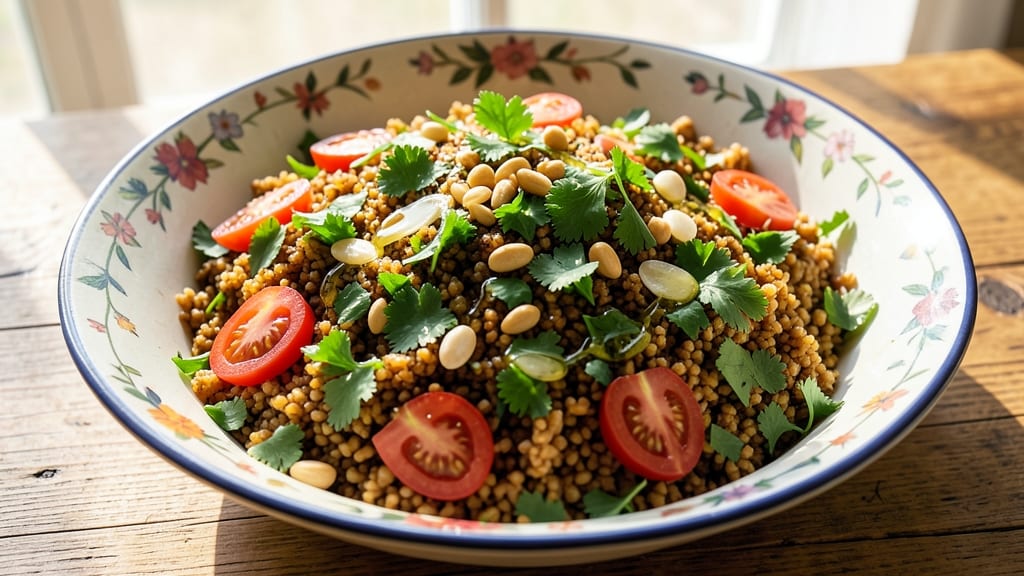
This Arabic tabbouleh salad recipe transforms simple ingredients into a vibrant, herb-packed dish that captures the essence of Middle Eastern mezze. The secret lies in soaking fine bulgur until it's tender yet still holds its shape, then tossing it with finely chopped parsley, tomatoes, and a bright lemon-olive oil dressing.
Every bite delivers fresh, zesty brightness that's impossible to resist.
What sets this recipe apart is the perfect balance of textures—chewy bulgur, crisp tomatoes, and tender herbs—all bound together by a dressing that's tangy without overpowering.
Unlike many salads that wilt quickly, this one stays fresh for days, making it ideal for meal prep or serving as a refreshing side at gatherings. The preparation is straightforward but requires patience, particularly in achieving the ideal bulgur consistency.
By the time you're done, you'll have a salad that's as visually stunning as it is delicious—bright green from the parsley, speckled with red tomatoes, and finished with optional toasted pine nuts for added crunch.
This is the kind of dish that elevates any meal, whether served as a light lunch or part of a mezze spread. The flavors are clean, herbaceous, and undeniably satisfying.
The best part? This tabbouleh adapts effortlessly to your preferences—add cucumbers for extra freshness, swap in mint for a different herbal note, or keep it classic with just parsley and tomatoes.
It's a recipe that proves healthy eating can be vibrant, flavorful, and completely indulgent. Let's get started on creating this refreshing staple.
Ingredients for arabic tabbouleh salad
Bright parsley, chewy bulgur, and zesty lemon transform this salad into Middle Eastern mezze perfection.
| Ingredient | Amount | Notes |
|---|---|---|
| Fine Bulgur Wheat 🌾 | 1 cup | Uncooked, toasted for nuttiness |
| Fresh Flat-Leaf Parsley 🌿 | 2 cups | Stems removed, finely chopped |
| Medium Tomatoes 🍅 | 3 whole | Ripe, seeded, finely diced |
| Extra-Virgin Olive Oil 🫒 | ½ cup | Light, fruity variety preferred |
| Fresh Lemon Juice 🍋 | ¼ cup | Strained, about 2 lemons |
| Garlic Cloves 🧄 | 3 cloves | Minced, for depth of flavor |
| Diamond Crystal Kosher Salt 🧂 | 1 ½ tsp | Adjust to taste |
| Fresh Mint Leaves 🌿 | ¼ cup | Optional, finely chopped |
| Toasted Pine Nuts 🥜 | ¼ cup | Optional, for crunch |
| Red Wine Vinegar 🍷 | 1 tbsp | For brightness |
| Ground Black Pepper 🌶️ | ½ tsp | Freshly cracked |
| Cucumber 🥒 | ½ whole | Optional, peeled, diced |
The bulgur is the foundation—toasted first for nutty depth, then soaked until tender but still holds shape. Trader Joe's carries excellent bulgur, but any fine grain works. For parsley, farmers market bunches are fresher than grocery store containers. The tomatoes should be ripe but firm—heirloom varieties add sweetness. Toast your pine nuts in a dry pan until golden—just 2-3 minutes—to intensify their flavor without burning. Lemon juice is best freshly squeezed; store-bought lacks brightness.
No mint? Skip it or use 1/4 cup fresh dill for a different herbal note. Substitute red wine vinegar with apple cider vinegar at half the amount if needed. For extra crunch without pine nuts, toasted almonds or walnuts work beautifully. The cucumber is optional but adds refreshing contrast—English cucumbers are less seedy than American varieties. If using, peel and dice it last to prevent sogginess. For a vegan twist, ensure all ingredients are plant-based (this recipe already is). The dressing ratio is critical—equal parts olive oil and lemon juice balances richness and acidity perfectly.
Store bulgur and herbs separately in airtight containers—parsley stays fresh for 5 days wrapped in damp paper towels. The assembled salad keeps 3-4 days in the fridge, though the bulgur softens over time. For meal prep, pack dressing separately and toss just before serving. Freeze pine nuts in an airtight container for up to 6 months to preserve their crunch. This salad tastes even better the next day as flavors meld—ideal for batch cooking.
Why You'll Love This Recipe
- No-Soaking Needed: I learned the trick of toasting the bulgur first—just 5 minutes in a dry pan—and it cuts the wait time in half. No boiling, no fuss, just warm, nutty grains that hold up perfectly.
- Bright & Tangy: That lemon juice and olive oil combo? It’s the secret weapon—sharp enough to wake up your taste buds, but balanced by the parsley’s freshness. Honestly, I reach for this when I crave something that feels light but packs a punch.
- Potluck Hero: Between us, this is the dish that always gets picked first at gatherings. It’s hearty enough to be a main (yes, even with grilled chicken) but light enough to pair with anything—charred kebabs, flaky pita, or just as a side that makes the whole spread sing.
- Budget Brightness: Fresh parsley and tomatoes can feel pricey, but a single bunch of parsley stretches across three salads, and I’ve used this recipe for a week straight with zero waste. The bulgur? A dollar bag lasts forever. Practical, flavorful, and my wallet thanks me.
Step-by-step instructions for Arabic tabbouleh salad
Master this vibrant Middle Eastern classic with precise technique and fresh ingredients.
Toast the Bulgur Wheat for Nuttiness
Heat a dry skillet over medium-high heat. Add the 1 cup fine bulgur wheat and toast for 3-4 minutes, stirring constantly, until it turns a deep golden brown and smells toasty. This step is critical—it develops the bulgur's nutty flavor and prevents a mushy texture.
Transfer the toasted bulgur to a large bowl immediately. Pour over 2 cups boiling water (use freshly boiled water for best results) and let it soak for 20-25 minutes until the water is fully absorbed and the bulgur is tender but still holds its shape. Drain any excess water through a fine-mesh strainer.
Prepare the Herb and Vegetable Mixture
While the bulgur soaks, remove stems from the 2 cups fresh flat-leaf parsley and chop the leaves finely. Dice the 3 whole medium tomatoes into small pieces, removing seeds and excess liquid. Peel and dice the ½ whole cucumber into small cubes if using.
In a separate small bowl, combine the 3 minced garlic cloves, 0.25 cup fresh mint leaves (if using), 1 tbsp red wine vinegar, and 0.5 tsp ground black pepper. Let this mixture sit for 5 minutes to allow the garlic and mint to soften slightly and release their flavors.
Combine All Ingredients for Maximum Flavor
In a large mixing bowl, combine the drained bulgur with the chopped parsley, tomatoes, and cucumber (if using). Add the garlic-mint mixture and gently fold everything together with a wooden spoon. The goal is to distribute the ingredients evenly without breaking up the bulgur pieces.
Drizzle in the 0.5 cup extra-virgin olive oil and 0.25 cup fresh lemon juice, then sprinkle with the 1.5 tsp diamond crystal kosher salt. Toss gently but thoroughly to coat all ingredients evenly. The salad should look vibrant green with pops of red from the tomatoes.
Add Toasted Pine Nuts and Rest for Best Texture
Fold in the 0.25 cup toasted pine nuts (if using) just before serving. These add a delightful crunch that contrasts beautifully with the soft bulgur. For the best texture, let the tabbouleh sit at room temperature for 15-20 minutes before serving. This allows the flavors to meld and the bulgur to absorb the lemon dressing fully.
Taste and adjust seasoning if needed. Traditional tabbouleh is bright, tangy, and slightly salty. Serve immediately in a chilled bowl, garnished with additional chopped parsley and a sprinkle of toasted pine nuts. The salad should be refreshing, herby, and perfectly balanced between creamy bulgur and crisp vegetables.
Pro Tips For Making Arabic Tabbouleh Salad
- SOAK THE BULGUR LONG ENOUGH: I learned this the hard way—rushing the soak means chewy, unappetizing bits. Use twice the water by volume (1 cup bulgur to 2 cups hot water), cover, and let it sit for at least 30 minutes—45 if you’re impatient like me. The grains should be tender but still hold shape; if they’re mushy, you overdid it.
- CHOP PARSLEY FINE, THEN REST IT: Skipping this step makes the texture uneven. Pulse flat-leaf parsley in a food processor until it’s almost paste-like, then transfer to a bowl and let it sit for 10 minutes before mixing. This releases the oils and softens the edges—no more crunchy bits ruining the bite.
- SALT THE TOMATOES FIRST: Tomatoes release water when chopped, and that’s the last thing you want in tabbouleh. Toss diced tomatoes with ½ teaspoon salt and let them sit for 10 minutes before draining excess liquid. This keeps the salad from turning soggy—trust me, your future self will notice the difference.
- USE LEMON ZEST, NOT JUST JUICE: I was skeptical until I tried it: a teaspoon of fresh lemon zest (yes, even if you’re impatient like me) adds a bright, aromatic depth that plain juice can’t match. Mix it in at the end—just before serving—so the citrus oils stay vibrant. It’s the thing that makes this salad taste actually Middle Eastern.
Common mistakes when making this dish
Over-Soaking Bulgur
One of the most common mistakes is letting the bulgur soak too long, which turns it mushy and ruins the texture. The ideal soak time is 20-25 minutes—any longer and you'll end up with a pudding-like consistency.
I've learned the hard way that checking the bulgur every 5 minutes after the 20-minute mark prevents over-soaking. If it still feels firm, it's ready. 🌾
Skipping the Toast
Many recipes call for plain bulgur, but toasting it first adds a nutty depth that's essential for authentic flavor. I recommend toasting over medium-high heat for 3-4 minutes until golden—this step prevents a bland, starchy result.
If you skip it, your tabbouleh will taste more like plain wheat than the vibrant dish it should be.
Using Stems or Tough Parsley
Parsley stems are fibrous and won't break down properly, creating an unpleasant texture in your salad. Always remove stems before chopping, and choose fresh, vibrant parsley from the market.
I like to buy flat-leaf parsley in bunches rather than pre-chopped containers—the stems are easier to remove, and the flavor is fresher. 🌿
Uneven Dressing Distribution
Tossing the dressing in all at once often leaves some bulgur dry while others become soggy. Instead, drizzle the olive oil and lemon juice gradually while mixing, then let the salad sit for 15 minutes before serving.
This allows the dressing to fully penetrate each bite. I also recommend mixing the dressing ingredients separately first for even distribution.
Adding Pine Nuts Too Early
Pine nuts lose their crunch if added too soon. Always fold them in just before serving to maintain that satisfying contrast. I toast mine in a dry pan for 2-3 minutes until golden, then let them cool completely before adding.
If you add them while the salad is still warm, they'll soften and become unappetizingly mushy.
Using the Wrong Vinegar
Red wine vinegar adds the perfect acidity, but many people default to white vinegar or balsamic, which can overpower the delicate herbs. If you don't have red wine vinegar, use apple cider vinegar at half the amount—it's milder but still adds brightness.
I keep a small bottle of red wine vinegar in my pantry specifically for tabbouleh because it makes all the difference. 🍷
Nutrition facts
Frequently asked questions
Can I make tabbouleh without bulgur wheat?
Yes! For a gluten-free version, substitute bulgur with 1 cup cooked quinoa or ½ cup cooked farro. Toast the grains first for nuttiness, then soak in warm water for 10-15 minutes until tender. The texture will differ slightly but still deliver that fresh, herby flavor.
How long does tabbouleh keep in the fridge?
This vibrant salad stays fresh for 3-4 days when stored in an airtight container. The bulgur softens over time, so it's best enjoyed within 2 days for ideal texture. For longer storage, pack the dressing separately and mix just before serving. The flavors actually improve after resting!
What's the best way to chop parsley for tabbouleh?
Use a sharp chef's knife for the finest texture: Stack parsley leaves, roll tightly, and slice into 1/8-inch ribbons. For even smaller pieces, pulse in a food processor (2-3 seconds max). Remove stems completely—they're tough and won't break down properly. Fresh parsley should be bright green and crisp.
Can I make tabbouleh ahead of time?
Prepare all ingredients separately (cooked bulgur, chopped herbs, vegetables, dressing) and store them in airtight containers. Assemble just before serving to maintain crispness. The bulgur stays fresh for 2 days this way, and the herbs retain their vibrant color. Perfect for meal prep!
Why does my tabbouleh taste bland?
Blandness usually comes from insufficient lemon or salt. Boost flavor by adding 1 extra tbsp lemon juice and ½ tsp salt, then let it sit 10 minutes for flavors to meld. Fresh herbs are key—if using wilted parsley, add 1 extra tbsp chopped fresh mint for brightness. Always taste as you go!