
Salads
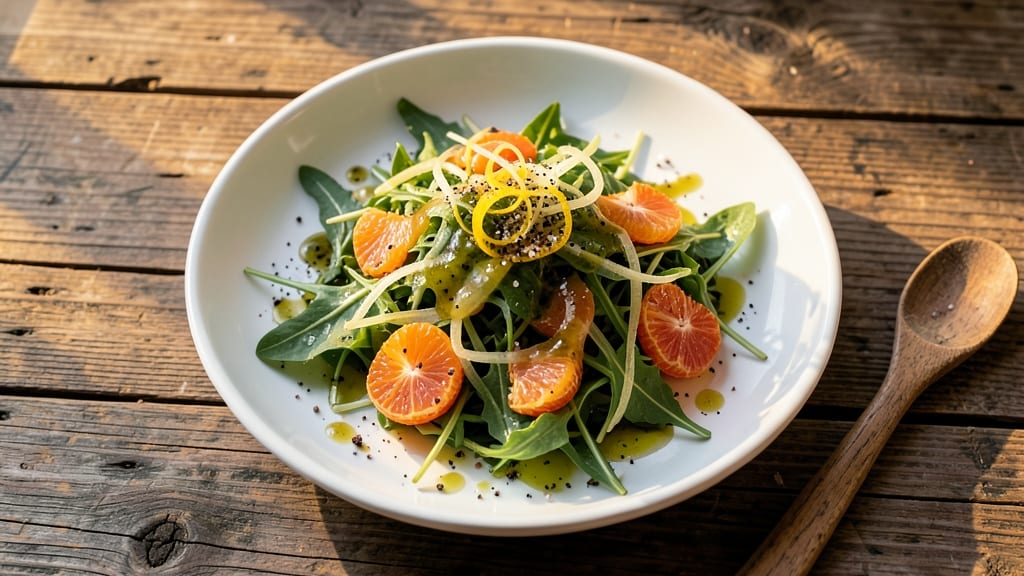
This arugula fennel and orange salad recipe transforms simple ingredients into a vibrant dish that balances peppery greens, sweet citrus, and earthy anise notes. The secret lies in shaving the fennel paper-thin for delicate crunch and segmenting the oranges just before tossing to preserve their juicy freshness.
Every bite delivers a perfect harmony of textures—tender fennel, crisp arugula, and juicy citrus segments—all bound together by a bright, tangy dressing.
The salad's beauty comes from its fresh, seasonal ingredients that shine when properly prepared. Shaving the fennel on a mandoline ensures even slices that stay crisp, while the orange segments should be cut between the membranes for clean, bite-sized pieces.
A simple lemon vinaigrette ties everything together, enhancing the natural flavors without overpowering them. This dish is perfect for spring and summer gatherings or as a refreshing side for grilled proteins.
What makes this salad truly special is how the flavors develop when tossed together at the last moment. The fennel's licorice-like quality pairs beautifully with the citrus's brightness, while the arugula adds a peppery kick that cuts through the richness.
The result is a dish that's light yet satisfying, with enough texture contrast to keep every bite interesting. Serve immediately for the freshest experience, or assemble up to 2 hours ahead and store the dressing separately.
For an extra layer of flavor, consider adding toasted pine nuts or candied pecans for crunch, or a sprinkle of chili flakes for heat. The salad also makes an excellent base for other seasonal ingredients like shaved radishes or thinly sliced apples.
Whether enjoyed as a light lunch or a side dish, this recipe proves that a simple salad can be a showstopper when made with care and attention to detail.
Ingredients for arugula fennel and orange salad
Fresh arugula, shaved fennel, and juicy orange segments create this vibrant citrus salad with perfect texture contrast.
| Ingredient | Amount | Notes |
|---|---|---|
| Baby Arugula 🌿 | 5 oz | Fresh, washed and dried |
| Fennel Bulb 🧅 | 1 whole | Shaved paper-thin with mandoline |
| Navel Oranges 🍊 | 2 whole | Segments cut between membranes |
| Extra-Virgin Olive Oil 🫒 | ¼ cup | Light fruity variety preferred |
| Fresh Lemon Juice 🍋 | ⅛ cup | Freshly squeezed, strained |
| Honey 🍯 | 1 tbsp | Wildflower preferred for floral notes |
| Dijon Mustard 🌶️ | ½ tsp | Mild or medium heat |
| Flaky Sea Salt 🧂 | ½ tsp | Diamond Crystal preferred |
| Freshly Ground Black Pepper 🌶️ | ¼ tsp | Freshly cracked for best flavor |
| Toasted Pine Nuts 🥜 | ¼ cup | Optional for crunchy garnish |
| Chili Flakes 🔥 | ¼ tsp | Optional for subtle heat |
The fennel is the star here—look for bulbs with crisp, white cores and no browning. Whole Foods or your local farmers market usually carry the freshest. Shave it paper-thin using a mandoline for even slices that stay crisp. The oranges should be firm, heavy for their size, and free of blemishes. Navel oranges work best here—they're seedless and sweet. If you can't find them, Carlo Sweet or Valencia varieties are good alternatives. For the arugula, avoid the pre-washed bags—they wilt faster. Rinse and spin dry in a salad spinner right before assembling.
No mandoline? A sharp chef's knife works too—just take your time for even slices. Running out of honey? Agave nectar at the same amount keeps it vegan-friendly. The dressing can be made ahead, but add the lemon juice last to prevent bitterness. For extra richness, swap half the olive oil for avocado oil. The pine nuts are optional but add that perfect crunch. If you're avoiding nuts, toasted pumpkin seeds make a great substitute. The chili flakes can be omitted entirely if you prefer no heat, but they add a nice contrast to the sweet citrus.
Assemble this salad just before serving to keep everything crisp. Store the dressing separately if prepping ahead—combine with the salad within 2 hours of serving. The fennel and oranges will stay fresh for 3-4 days in the fridge if wrapped in damp paper towels. The dressing keeps for 1 week in an airtight container. For meal prep, store components separately and toss with dressing when ready to eat. The pine nuts can be toasted up to 2 weeks in advance and stored in a sealed container.
Why You'll Love This Recipe
- No-Fuss Assembly: I swear by this salad because it’s the rare dish where chopping fennel doesn’t feel like a chore. Thinly slice the bulb, toss in pre-washed arugula and segmented oranges—boom, done. Even my toddler could help (and usually does, which means fewer dishes).
- Bright & Unexpected: That citrusy zing from the navel oranges cuts through the peppery arugula like a knife through butter. The fennel’s anise notes? They’re the secret handshake—subtle but unforgettable, like a hug from a chef you trust.
- Weeknight Side or Main: Between us, this salad holds its own as a light lunch or a showstopper alongside grilled fish. Pack it for work, toss it on a charcuterie board, or serve it when you’re too tired to cook. It’s the ultimate “I’ve got this” dish.
- Budget Bright Spot: Fennel and arugula last longer than you’d think, and oranges? They’re practically free when they’re on sale. Stash extras in the fridge for days—no wilting, no waste, just flavor waiting to happen. My wallet (and my leftovers) thank me.
Step-by-step instructions for arugula fennel and orange salad
This vibrant salad balances peppery arugula, sweet citrus, and anise-forward fennel for a refreshing bite.
Prepare the Fennel and Oranges
Use a mandoline to shave the fennel bulb paper-thin, discarding the core. The slices should be translucent with a delicate anise aroma. Peel the navel oranges by scoring the skin in a crosshatch pattern, then cutting between membranes to release the segments. Remove any seeds or tough white pith. Work quickly to prevent the citrus from drying out.
Arrange the fennel slices and orange segments on a large platter, alternating colors for visual appeal. The fennel should fan out slightly while the orange segments nestle between them. This layering creates both texture contrast and a striking presentation that makes the salad irresistible before the first bite.
Toast the Pine Nuts
In a dry skillet over medium-low heat, toast the pine nuts for 2-3 minutes until they turn golden brown and release their nutty aroma. Watch them closely—they burn quickly. Remove from heat immediately and let cool for 1 minute before transferring to a small bowl. The toasted nuts should be fragrant and slightly crisp, adding a satisfying crunch to balance the salad's tender components.
While the nuts cool, combine the 0.25 cup extra-virgin olive oil, 0.125 cup fresh lemon juice, 1 tbsp honey, 0.5 tsp Dijon mustard, 0.5 tsp flaky sea salt, and 0.25 tsp freshly ground black pepper in a small bowl. Whisk until fully emulsified. The dressing should coat the back of a spoon and have a smooth, velvety consistency. If it separates, whisk vigorously to recombine.
Assemble the Salad
Gently toss the 5 oz baby arugula with half of the dressing to lightly coat the leaves. The arugula should wilt slightly but remain vibrant green. Arrange the dressed arugula over the fennel and orange segments on the platter, spreading it evenly. The peppery bite of the arugula will complement the sweet citrus and earthy fennel.
Drizzle the remaining dressing over the salad in an even zigzag pattern. Sprinkle the toasted pine nuts and 0.25 tsp chili flakes evenly across the top. The pine nuts add a satisfying crunch, while the chili flakes introduce a subtle heat that brightens the entire dish. Serve immediately while the dressing is still glossy and the ingredients retain their crisp texture.
Final Adjustments and Serving
Taste the salad and adjust seasoning if needed. The dressing should be balanced—sweet from the honey and citrus, tangy from the lemon, and slightly peppery from the mustard. If the salad needs more acidity, add a splash of additional lemon juice. For extra crunch, add more toasted pine nuts. The goal is a harmonious blend where each component shines without overpowering the others.
Let the salad sit for 2-3 minutes before serving to allow the flavors to meld. The fennel will soften slightly, the citrus will release more juice, and the arugula will wilt just enough to create a perfect texture contrast. Serve immediately with crusty bread or grilled fish to complement the salad's bright, refreshing flavors.
Pro Tips For Making Arugula Fennel And Orange Salad
- SHRED FENNEL THIN: The mandoline is your friend here—thin slices (1/8-inch or less) soak up dressing better and stay crisp longer. I used to slice by hand and end up with uneven chunks that turned soggy within 20 minutes.
- ZEST ORANGES FIRST: Peel the zest in one long strip before cutting—it’s fresher and more aromatic than pre-grated. Skip the knife for the pith; just scrape the outer layer with a peeler and toss it in the salad for brightness.
- DRESS JUST BEFORE SERVING: Arugula wilts fast, so mix the dressing (olive oil, lemon juice, salt) right before tossing. If you’re prepping ahead, store components separately and combine when ready—no one wants limp greens.
- USE A LEMON FOR ACID: Fresh lemon juice cuts through the fennel’s sweetness better than bottled. Squeeze it over ice to strain out seeds and pulp—your dressing will be smoother and last longer in the fridge.
Regional styles of these flavors
Mediterranean Coastal
This salad's roots run deep in coastal Mediterranean cuisine, where fennel and citrus have been celebrated for centuries. In Provençal France, the combination of fennel and orange reflects the region's love for bright, fresh ingredients.
The dressing here mirrors the classic vinaigrette used in dishes like ratatouille, but with a sweeter twist from honey. I often imagine this dish served alongside grilled branzino or sardines—classic Mediterranean pairings that elevate the salad's flavors. 🍊
Italian Market Style
In Italy, particularly in Sicily and Calabria, this salad would be a staple at outdoor markets. The fennel—known locally as finocchio—is often shaved and served raw as a snack or in salads. Italians would typically use blood oranges instead of navels for a deeper, slightly tart flavor.
I've seen vendors toss the salad with a pinch of red pepper flakes for heat, which works beautifully here. The dish embodies the Italian pasta e fagioli philosophy of simple, seasonal ingredients. 🌿
California Farm-To-Table
Modern American adaptations often appear in California's farm-to-table movement, where this salad might feature local navel oranges from the Central Valley and fennel from coastal farms. Chefs in Napa Valley or Santa Barbara might add avocado slices or heirloom tomatoes to the mix.
I remember seeing a version at a Berkeley farmers' market with toasted almonds instead of pine nuts—a perfect nod to California's diverse produce. The emphasis here is on ultra-fresh, hyper-local ingredients. 🥗
Spanish Tapas Twist
In Spain, this salad would likely appear as part of a tapas spread, often paired with jamón ibérico or anchovies. The Spanish might use clementines instead of navel oranges for a smaller, sweeter bite.
I've tried a version in Barcelona where the dressing included a splash of sherry vinegar for depth. The fennel's anise notes pair wonderfully with the smoky paprika often used in Spanish cuisine. Serve with crusty pan con tomate for an authentic touch. 🍷
Nordic Scandinavian
Scandinavian cooks might take this salad in a different direction, using wild fennel (if available) and blood oranges for a bolder flavor. In Denmark or Sweden, it would likely be served with smoked salmon or pickled herring to contrast the salad's brightness.
I've seen versions with dill and mustard seeds in the dressing for a Nordic twist. The crisp textures of fennel and arugula shine in colder climates, making this a perfect spring salad even in Scandinavia. ❄️
Nutrition facts
Frequently asked questions
Can I substitute blood oranges for navel oranges?
Blood oranges add a deeper, slightly tart flavor that pairs beautifully with fennel. Their vibrant color also makes the salad visually stunning. Just be sure to segment them carefully—their membranes can be thicker. The recipe works equally well with either variety.
How do I keep the fennel from getting soggy?
Shave the fennel paper-thin using a mandoline right before assembling the salad. Never soak it in water—this removes its natural crispness. Instead, pat the arugula dry thoroughly and toss it with dressing just before combining with other ingredients. Serve immediately for best texture.
What if I don't have pine nuts?
No problem! Toasted pecans, almonds, or even pumpkin seeds work beautifully for crunch. For a seed-free option, try crispy fried shallots. The key is maintaining that satisfying textural contrast—just adjust the quantity to your preference.
Can I make this salad ahead of time?
Prepare components separately and store in airtight containers. Keep the dressing separate until ready to serve. The fennel and oranges stay fresh for 3-4 days in the fridge, while the dressing keeps for 1 week. Toss everything together just before serving to maintain crispness.
Why does my dressing separate?
This happens when oil and vinegar aren't properly emulsified. Whisk vigorously or use a blender for 10 seconds. For extra stability, add ½ tsp Dijon mustard or 1 tsp honey to the dressing. If separation occurs after tossing, simply whisk again before serving.