
Salads
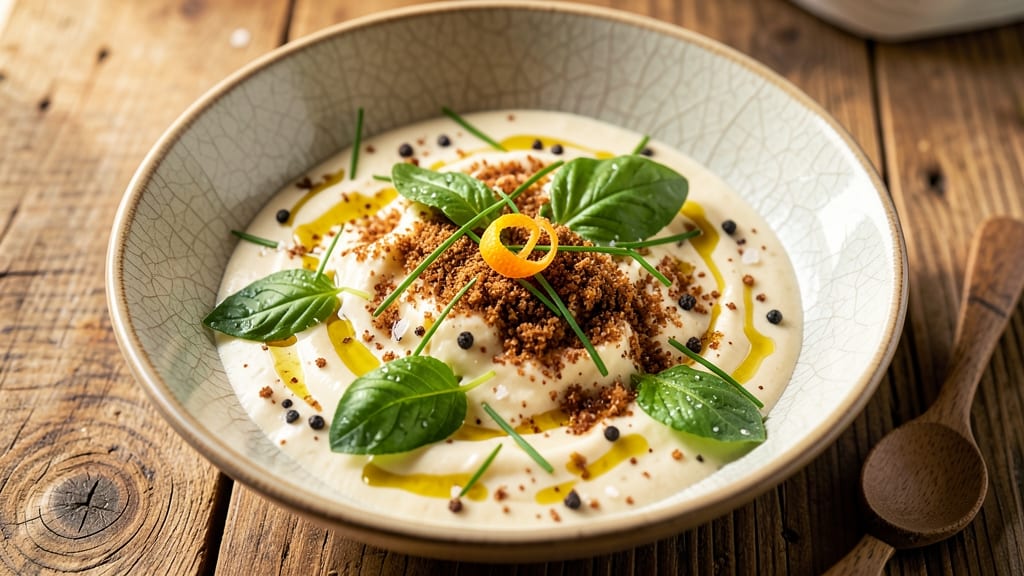
This Asiago salad dressing recipe transforms simple ingredients into a velvety, nutty sauce that elevates any salad or pasta dish. The secret lies in blending aged Asiago cheese with tangy vinegar and rich olive oil, creating a creamy emulsion that coats every bite with a perfect balance of sharpness and richness. I developed this dressing after craving something more substantial than basic vinaigrettes—something with depth and texture that could stand up to hearty greens and proteins.
The beauty of this dressing is its versatility and simplicity. With just five core ingredients—Asiago cheese, olive oil, vinegar, Dijon mustard, and fresh herbs—you’ll achieve a dressing that’s both restaurant-quality and effortless to prepare.
The Dijon mustard acts as an emulsifier, ensuring the cheese blends smoothly without separation, while the herbs add a bright, fresh contrast to the nutty cheese. It’s the kind of dressing that turns a simple salad into a gourmet experience.
What makes this recipe truly special is its ability to enhance any dish. Drizzle it over arugula salads for a bold flavor punch, toss it with warm pasta for a creamy sauce, or use it as a dip for crusty bread.
The dressing keeps well in the refrigerator for up to a week, making it perfect for meal prep. Each batch delivers a rich, creamy texture that’s impossible to resist, proving that homemade dressings can be just as impressive as store-bought.
For an extra layer of flavor, consider adding a splash of lemon juice or a pinch of garlic powder. The possibilities are endless, but the foundation remains the same: a creamy, nutty dressing that brings freshness and depth to every meal.
Let’s get started on creating this versatile sauce that will become a staple in your kitchen.
Ingredients for asiago salad dressing
Five core ingredients blend into this velvety dressing with nutty richness and herbaceous freshness.
| Ingredient | Amount | Notes |
|---|---|---|
| Aged Asiago Cheese 🧀 | ¾ cup | Freshly grated from block |
| Extra-Virgin Olive Oil 🫒 | ½ cup | High-quality, fruity variety |
| White Wine Vinegar 🍷 | ¼ cup | Dry, crisp vinegar preferred |
| Dijon Mustard 🌶️ | 1 tbsp | For smooth emulsification |
| Fresh Basil Leaves 🌿 | ¼ cup | Packed, finely chopped |
| Fresh Chives 🌱 | 2 tbsp | Finely chopped for brightness |
| Garlic Cloves 🧄 | 1 clove | Minced for subtle depth |
| Salt 🧂 | ½ tsp | Diamond Crystal preferred |
| Black Pepper 🌶️ | ¼ tsp | Freshly ground for warmth |
The Asiago cheese is the foundation—aged Asiago from a specialty cheese counter delivers that perfect balance of sharpness and creaminess. Whole Foods or local cheese shops often carry the best aged varieties, but don't worry if you can only find regular Asiago; just grate it yourself for the freshest texture. The Dijon mustard is non-negotiable here; it acts as the emulsifier that keeps everything silky smooth. Maille or Whole Foods 365 are reliable brands, but any good-quality Dijon will work. For the herbs, farmers markets usually have the freshest basil and chives, but the grocery store works too—just make sure the leaves are vibrant and not wilted.
No aged Asiago? Parmigiano-Reggiano or Grana Padano work in a pinch, though the flavor will be slightly milder. Running short on white wine vinegar? Apple cider vinegar gives a slightly sweeter note, or red wine vinegar for a deeper tang. The garlic can be omitted if you prefer a milder dressing, but I always include it—just one clove adds subtle depth without overpowering. For the olive oil, avoid the cheap stuff—this is where you taste the difference. California Extra Virgin brands like Corto or Lucini elevate the dressing significantly. If you're feeling adventurous, swap half the olive oil for walnut oil for a nutty twist that pairs beautifully with the Asiago.
This dressing keeps beautifully in the fridge for up to one week when stored in an airtight jar. The emulsion stays stable, but give it a quick shake before each use. For longer storage, freeze in ice cube trays—each cube makes a perfect single-serving portion. The herbs will lose some vibrancy over time, so if you're prepping ahead, consider adding fresh herbs just before serving. The dressing works wonders on everything from arugula salads to warm pasta dishes, and it's particularly good drizzled over roasted vegetables for a restaurant-worthy finish.
Why You'll Love This Recipe
- Five-Ingredient Magic: I swear, this dressing comes together with zero fuss—just whisk, taste, adjust. No peeling garlic, no chopping onions, no waiting for cheese to melt. Honestly, the hardest part is deciding if I want it chunky or smooth.
- Umami Bomb: That aged Asiago? It’s the star—nutty, sharp, and so rich it turns even the simplest greens into a flavor party. The white wine vinegar cuts through the creaminess, and the basil? Freshly torn, not chopped, so every bite feels like a little Italian vacation.
- Salad’s Best Friend: Drizzle it on arugula for a fancy lunch, toss it with roasted veggies for dinner, or even use it as a marinade for chicken. It’s my go-to for weeknight dinners when I’m too tired to think, but still want something that tastes like I put in effort. (Yes, even on a Tuesday night.)
- Leftovers That Don’t Suck: Unlike most dressings that turn sad after a day, this one actually improves in the fridge. The flavors meld, the cheese gets even more mellow, and I’ve used it up to three days later—on eggs, pasta, you name it. No waste, just deliciousness.
Step-by-step instructions for Asiago salad dressing
This dressing delivers rich, nutty depth with vibrant herb brightness—perfect for elevating any salad.
Grate the Asiago Cheese Finely
Use a fine grater or food processor fitted with a grating disc to shred the 0.75 cup Aged Asiago Cheese. I prefer freshly grating the cheese from a block because pre-shredded varieties often contain anti-caking agents that affect texture. Aim for a powdery consistency—this ensures smooth emulsification later. Transfer the grated cheese to a medium bowl and set aside.
If using a food processor, pulse briefly in 3-4 second bursts to avoid melting the cheese. The goal is fine, even particles that will blend seamlessly into the dressing. Any large chunks will create graininess in the final product, so take your time here. The cheese should resemble coarse sand when finished.
Whisk Vinegar and Mustard
In a separate small bowl, whisk together the 0.25 cup White Wine Vinegar and 1 tbsp Dijon Mustard until fully combined. The vinegar should be room temperature—cold vinegar can cause the dressing to separate later. Whisk vigorously for about 20 seconds until the mixture is smooth and slightly thickened. This step creates the acidic base that will emulsify the oil later.
Here's the thing—Dijon mustard acts as an emulsifier, helping to bind the oil and vinegar. If you skip this preliminary whisking, the dressing may break during assembly. The mixture should look homogeneous with no visible streaks of mustard remaining. Set this aside temporarily while you prepare the remaining ingredients.
Combine Wet Ingredients
Return to your medium bowl with the grated cheese. Add the 0.5 cup Extra-Virgin Olive Oil in a slow, steady stream while whisking continuously. Start with a whisk in one hand and pour the oil with the other, maintaining a steady rhythm. This gradual addition prevents the dressing from separating. After about 1 minute of whisking, the mixture should begin to thicken slightly.
Next, add the minced 1 clove Garlic Cloves, 0.5 tsp Salt, and 0.25 tsp Black Pepper. Whisk for another 30 seconds to distribute these flavors evenly. The garlic should dissolve completely—if you see visible pieces, pulse them briefly in a food processor before adding. This step builds the flavor foundation while maintaining the proper texture.
Incorporate Fresh Herbs
Add the 0.25 cup Fresh Basil Leaves (finely chopped) and 2 tbsp Fresh Chives (finely chopped) to the bowl. Using a rubber spatula, gently fold these in rather than whisking—this prevents bruising the herbs which can make the dressing bitter. The herbs should be evenly distributed throughout the dressing. Taste a small amount at this stage to check the balance of flavors.
At this point, you might notice the dressing appears slightly thick. This is normal—the herbs will help balance the richness. If the dressing seems too thick for your preference, you can thin it later with 1-2 teaspoons of water or additional vinegar. The herbs should be visible as small flecks throughout, not clumped together. This ensures each bite delivers fresh herb brightness.
Emulsify and Adjust
Return to whisking the dressing vigorously for 2-3 minutes until it reaches a smooth, creamy consistency. You'll notice it thickens as the oil fully emulsifies with the vinegar-cheese base. The dressing should coat the back of a spoon without dripping excessively. If it separates at all during whisking, simply whisk more vigorously for another 30 seconds—this is normal and will resolve.
Taste and adjust seasoning if needed. You may want to add a touch more salt for depth or vinegar for acidity. For a smoother texture, strain the dressing through a fine-mesh sieve to remove any herb stems or cheese particles. Transfer to a clean jar and refrigerate for at least 30 minutes before using—this allows flavors to meld completely. The dressing will keep in the refrigerator for up to 1 week when properly stored.
Pro Tips For Making Asiago Salad Dressing
- GRATE THE CHEESE FINE: I learned this the hard way—chunky Asiago bits make the dressing look like it belongs in a charcuterie board, not a salad. Use a box grater or food processor for a powdery texture that blends smoothly. (Yes, even if you’re impatient like me.)
- WHISK IN STAGES: Start with the oil and vinegar, then add mustard and cheese in small batches. Stirring all ingredients at once risks a clumpy mess—especially with aged Asiago, which can get stubborn. A whisk works best; a fork just won’t cut it.
- SALVAGE WILTED BASIL: Toss fresh basil leaves in ice water for 10 seconds before adding them to the dressing. This keeps them vibrant longer, and you won’t end up with sad, limp herbs floating in a creamy pool. (Your future self will notice.)
- BALANCE THE ACID: Taste as you go—aged Asiago is salty, so cut the vinegar if the dressing tastes sharp. A splash of warm water (1 tsp at a time) thins it out without diluting flavor. Skip the extra mustard; it’ll overpower the cheese’s nutty depth.
Essential equipment for this recipe
Essential Mixing Tools
Start with a stainless steel whisk—I recommend the OXO Good Grips Balloon Whisk—for creating a smooth emulsion. The fine wires distribute oil evenly while preventing cheese clumping. A small mixing bowl (6-8 inches wide) works best to contain the dressing while whisking.
For herb prep, a sharp chef's knife and cutting board are must-haves—Victorinox Fibrox boards resist knife marks perfectly. 🔥
Cheese Grating Essentials
Invest in a fine grater like the Microplane—it creates powdery cheese particles that blend seamlessly. For larger batches, a food processor with grating disc (like the Cuisinart DLC-100) saves time.
Avoid pre-shredded cheese—it contains anti-caking agents that ruin texture. If grating by hand, wear cut-resistant gloves to protect fingers from sharp cheese edges.
Storage Containers
Use glass mason jars (8-12 oz size) for airtight storage—they preserve flavor better than plastic. The Kenton 12-Piece Jars are my go-to—their wide mouths make pouring easy. For single servings, silicone ice cube trays work perfectly—freeze dressing in cubes for portion control.
Label containers with dates to track freshness—this dressing lasts 1 week refrigerated or 3 months frozen.
Optional Emulsifier Tools
For extra-stable emulsions, try a handheld immersion blender like the Oster Pro Countertop Blender. It blends ingredients at high speed, creating restaurant-quality consistency. If you prefer manual methods, a fork works in a pinch—though whisking gives better control.
For herb prep, a herb scissors (like OXO Good Grips) chops chives and basil faster than knives. ✨
Temperature Control
Keep all ingredients room temperature before mixing—cold cheese and vinegar can cause separation. If your kitchen runs cold, place cheese and vinegar in bowls for 10 minutes before starting.
Use a small saucepan to gently warm olive oil to 75°F if needed—just enough to improve emulsification. Never heat vinegar or herbs above 100°F—this destroys flavor and texture.
Nutrition facts
Frequently asked questions
Can I substitute Asiago with another cheese?
Yes! For a similar nutty flavor, try Parmigiano-Reggiano or Grana Padano. If you prefer a milder taste, Pecorino Romano works well but has a sharper bite. For a creamier texture, blend in 1/4 cup ricotta or mascarpone—just reduce the olive oil by 2 tablespoons to maintain balance.
Why did my dressing separate?
Separation usually happens when oil and vinegar aren't properly emulsified. Whisk more vigorously for 1-2 minutes to recombine. If it still separates, add 1 teaspoon Dijon mustard or 1 tablespoon water and whisk again. For a quick fix, blend with an immersion blender for 10-15 seconds—this restores the creamy texture instantly.
How can I make this dressing spicier?
Add 1/2 teaspoon red pepper flakes or 1/4 teaspoon cayenne powder for heat. For a smoky kick, stir in 1/2 teaspoon smoked paprika or a pinch of chipotle powder. If you love garlic, add an extra 1/2 clove minced garlic—just be sure to whisk it in thoroughly to avoid bitterness.
Can I use this dressing on non-salad dishes?
Drizzle it over roasted vegetables, grilled chicken, or warm pasta for a creamy sauce. It also works as a dip for crusty bread or baked potatoes. For a richer pasta sauce, simmer 1/4 cup heavy cream with the dressing for 2-3 minutes—stir constantly to prevent curdling.
How do I adjust the thickness?
For a thinner consistency, whisk in 1-2 teaspoons water or vinegar until smooth. If it's too thick, add 1 tablespoon olive oil at a time while whisking. Pro tip: Chill the dressing for 30 minutes before adjusting—it naturally thickens when cold. For a velvety finish, strain through a fine-mesh sieve to remove herb stems.