
Salads
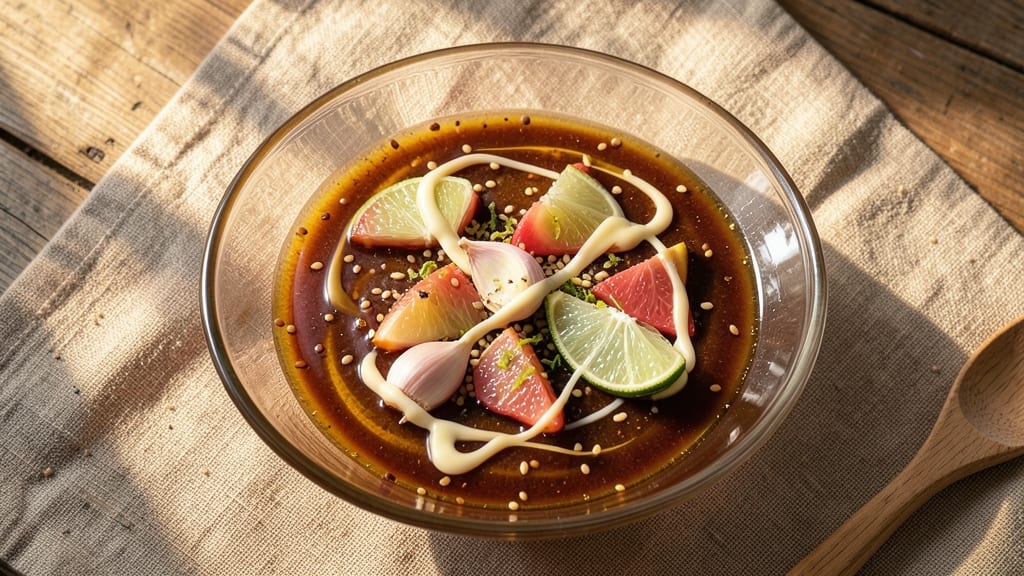
This Asian coleslaw salad dressing recipe delivers the perfect balance of umami-packed sesame-lime zing that elevates any shredded cabbage dish from ordinary to extraordinary.
The secret lies in a harmonious blend of soy sauce, rice vinegar, and fresh lime juice—each ingredient playing its part to create a dressing that’s tangy, slightly sweet, and deeply savory.
I developed this recipe after years of experimenting with Asian-inspired flavors, and it’s now my go-to for adding depth to coleslaw without overpowering the crisp freshness of the vegetables.
The magic happens when toasted sesame oil meets finely minced garlic and ginger, infusing the dressing with aromatic warmth. A touch of honey or maple syrup rounds out the flavors, ensuring the dressing is cohesive and not too sharp.
What makes this recipe truly stand out is its versatility—it works equally well with classic Napa cabbage slaw or a more robust mix of shredded carrots, radishes, and jicama. The dressing clings beautifully to the vegetables, delivering bold flavor with every bite.
Once mixed, this dressing stays fresh in the refrigerator for up to 5 days, making it ideal for meal prep. For an extra kick, add a dash of chili flakes or a splash of sriracha, while those who prefer a milder taste can reduce the garlic slightly.
The result is a dressing that’s restaurant-quality yet simple to make at home, transforming a basic salad into a vibrant, flavor-packed dish that’s perfect for picnics, potlucks, or weeknight dinners.
Pair it with grilled meats, fresh spring rolls, or even as a dipping sauce for dumplings—this dressing is a game-changer for anyone looking to add authentic Asian flavor to their meals.
Ready to make it? The ingredients are minimal, and the process is straightforward, ensuring you’ll have a batch ready in just 10 minutes. Let’s get started!
Ingredients for asian coleslaw salad dressing
Nine simple ingredients create the perfect Asian-inspired coleslaw dressing with bold umami and refreshing zing.
| Ingredient | Amount | Notes |
|---|---|---|
| Toasted Sesame Oil 🫒 | ½ cup | High-quality, nutty aroma |
| Soy Sauce 🥢 | ⅓ cup | Light or dark preferred |
| Rice Vinegar 🍶 | ⅓ cup | Seasoned works best |
| Fresh Lime Juice 🍋 | ¼ cup | Strained for smooth texture |
| Honey 🍯 | 2 tbsp | Or maple syrup for vegan |
| Garlic Cloves 🧄 | 3 cloves | Finely minced or grated |
| Fresh Ginger 🌿 | 1 tbsp | Grated, not powdered |
| Sesame Seeds 🥜 | 1 tbsp | Toasted for extra flavor |
| Salt 🧂 | 1 tsp | Kosher or sea salt |
| Black Pepper 🌶️ | ½ tsp | Freshly ground preferred |
The sesame oil is non-negotiable here—Kadoya or La Choy from the Asian aisle delivers that nutty aroma. Fresh ginger and garlic are key for authentic flavor, so skip the powdered versions. For the soy sauce, Kikkoman or Pearl River Bridge add depth without overpowering. Toast your sesame seeds in a dry pan for 30 seconds—they’ll release even more aroma. If you can’t find seasoned rice vinegar, mix regular rice vinegar with 1/4 tsp sugar and 1/8 tsp salt for a quick substitute.
No honey? Maple syrup or agave works beautifully. Short on sesame oil? Avocado oil or peanut oil in a pinch, though the flavor will differ slightly. Want extra heat? Add 1/2 tsp chili flakes or 1 tsp sriracha. For a milder version, reduce garlic to 2 cloves and ginger to 1/2 tbsp. The dressing thickens when chilled, so if it seems too thin right after mixing, let it sit for 10 minutes before adjusting with a splash more vinegar or honey.
Store in an airtight container in the fridge for up to 5 days. The flavors actually improve after 24 hours as everything melds. For meal prep, double the batch—it’s perfect for drizzling on slaw, dipping spring rolls, or tossing with grilled meats. If you make extra, freeze in ice cube trays for 3 months—just thaw overnight in the fridge before using.
Why You'll Love This Recipe
- Five-Ingredient Magic: I swear by this dressing—just whisk together toasted sesame oil, soy sauce, rice vinegar, lime juice, and honey. That’s it. No fancy techniques, no measuring cups cluttering my counter, just pure, effortless flavor.
- Umami Zing: The moment that toasted sesame oil hits the bowl, you’ll taste why this isn’t your average salad dressing. It’s bright, tangy, and just sweet enough—like a little burst of takeout inspiration without the delivery wait.
- Meal Prep MVP: I make a double batch every Sunday and stash it in the fridge. It elevates stir-fries, wraps, or even grilled chicken in seconds. Honestly? It’s my lazy-day secret weapon.
- Budget Brightener: Soy sauce and rice vinegar stretch this dressing far—enough to dress multiple salads or drizzle over rice bowls. Plus, lime juice and honey are pantry staples that won’t break the bank. Smart, tasty, and guilt-free.
Step-by-step instructions for Asian coleslaw salad dressing
Here's how to craft a vibrant, umami-rich dressing that elevates any coleslaw.
Toast the Sesame Seeds for Depth of Flavor
Heat a dry skillet over medium-low heat. Add the 1 tablespoon sesame seeds and toast them for 2-3 minutes until they turn a rich golden brown and release their nutty aroma. You'll see them puff slightly and smell intensely toasted—this is your cue to remove them immediately from the heat.
Let the seeds cool for 1 minute before transferring them to a small bowl. This brief cooling prevents them from releasing oil when you add them to the dressing later. The toasted seeds will add both texture and a warm, nutty complexity to your dressing, making it far more interesting than store-bought versions.
Blend the Wet Ingredients for a Smooth Base
In a blender or food processor, combine the 0.5 cup toasted sesame oil, 0.33 cup soy sauce, 0.33 cup rice vinegar, and 0.25 cup fresh lime juice. Blend on high speed for 10-15 seconds until completely smooth. The mixture should look like a uniform golden liquid with no visible streaks.
Taste the blend now—it should be tangy from the vinegar and lime, with a deep umami punch from the soy sauce. If it tastes too sharp, add 1 teaspoon more honey (you'll adjust the full amount later). This initial blend forms the flavor foundation, so don't rush this step. The sesame oil will carry all the other flavors beautifully once everything's combined.
Incorporate the Aromatics and Sweeteners
Add the 3 minced garlic cloves, 1 tablespoon grated fresh ginger, and 2 tablespoons honey to the blender. Pulse for 5-6 seconds just to combine—you don't want to over-blend the garlic and ginger, as this can make them bitter. The mixture should look slightly chunky with visible flecks of ginger and garlic.
Taste again and adjust seasoning if needed. You might need to add a pinch more salt or black pepper at this stage. The honey should balance the acidity while adding subtle sweetness that complements the umami. If you used maple syrup instead of honey, you may need to add an extra ¼ teaspoon of salt to compensate for its milder flavor.
Finish with Toasted Sesame Seeds and Final Adjustments
Transfer the dressing to a bowl and stir in the toasted sesame seeds you prepared earlier. These add both visual appeal and a satisfying crunch when tossed with coleslaw. Let the dressing sit for 5 minutes at room temperature—this allows all the flavors to meld together perfectly.
Taste one final time and make any necessary adjustments. The dressing should be balanced—tangy from the vinegar and lime, sweet from the honey, umami-rich from the soy sauce, and with a warm, nutty finish from the sesame oil and seeds. If it's too thick, whisk in 1-2 teaspoons of warm water to reach your desired consistency. This dressing keeps well in the refrigerator for up to 1 week, so you can make extra for future salads.
Pro Tips For Making Asian Coleslaw Salad Dressing
- Whisk in Stages: Start by mixing the rice vinegar, lime juice, and honey first—this helps the honey dissolve smoothly without clumping. Then slowly drizzle in the toasted sesame oil while whisking constantly, or it’ll separate like a greasy mess. (Yes, I’ve ruined a batch doing it the other way.)
- Use Cold Soy Sauce: Chill your soy sauce in the fridge for 10 minutes before adding it to the dressing. Cold soy sauce blends more evenly and keeps the dressing from getting too warm, which can dull the bright flavors. I learned this after a lukewarm batch made me question my life choices.
- Measure Lime Precisely: Skip the "eyeball it" approach—use a juicer or reamer for the lime juice. Too little, and the dressing tastes flat; too much, and it’s overpoweringly sour. Aim for about 2 tablespoons, and taste as you go. (Your taste buds will thank you more than your guests ever will.)
- Toast the Oil Last: Add the toasted sesame oil right before serving, not when you first mix the dressing. Its nutty aroma fades fast when sitting, and you’ll end up with a dressing that smells like "basic vinaigrette" instead of "wow, what’s in this?" (Trust me, the difference is night and day.)
Common mistakes when making your asian coleslaw salad dressing
Over-Saucing the Slaw
One of the most common mistakes is drowning your coleslaw in dressing. The perfect ratio is 1:2—1 part dressing to 2 parts shredded vegetables. Too much dressing makes the slaw soggy and overwhelms the crisp texture of the cabbage.
I’ve seen people use ½ cup dressing for just 3 cups of slaw, which is way too much. Start with 2-3 tablespoons per cup of slaw and adjust to taste. 🥬
Skipping the Toasted Sesame Seeds
Many recipes call for sesame oil but forget the seeds—they’re what add that essential crunch and nutty depth. Toasting them in a dry pan for 2-3 minutes until golden enhances their flavor dramatically.
I’ve tried dressing without them, and it’s noticeably less complex. Save the seeds for garnishing or stir them in at the very end to preserve their texture.
Using Low-Quality Ingredients
Cheap sesame oil or old soy sauce can ruin the dressing’s depth of flavor. Always use high-quality toasted sesame oil like Kadoya or La Choy from the Asian aisle, and fresh ingredients like real ginger and garlic instead of powdered substitutes.
I once used a generic brand of sesame oil, and the dressing tasted flat and one-dimensional. The difference is night and day.
Not Balancing Flavors Properly
Some people add all the ingredients without tasting as they go, leading to an unbalanced dressing—either too tangy, too sweet, or too salty. Always taste after blending the wet ingredients and adjust with honey, vinegar, or soy sauce as needed.
I like to make small batches first to test the flavor before scaling up. This ensures every component—tangy, sweet, umami, and nutty—works in harmony. 🍯
Ignoring the Resting Time
Rushing the dressing without letting it sit for 5-10 minutes means missing out on flavor development. The ingredients need time to meld, especially the garlic and ginger, which can taste harsh immediately after blending.
I’ve learned this the hard way—once, I served dressing straight from the blender, and it was overly sharp and raw. Patience pays off here!
Storing Improperly
Leaving dressing at room temperature for too long or storing it in the wrong container can lead to spoilage. Always transfer it to an airtight container and refrigerate within 2 hours of making it.
I use glass jars for best results—they keep the dressing fresh for up to 5 days. If you’re prepping ahead, freeze it in ice cube trays for 3 months, but thaw it in the fridge overnight before using. ❄️
Nutrition facts
Frequently asked questions
Can I make this dressing without a blender?
Whisk all ingredients together in a bowl until fully combined. For extra smoothness, use a fork to mash the garlic and ginger into a paste before adding. The texture will be slightly thicker but still delicious. Just stir vigorously for 2-3 minutes to emulsify the oil and vinegar properly.
How can I adjust this for a spicier version?
Add 1 teaspoon of sriracha or ½ teaspoon of chili flakes to the blender with the wet ingredients. For heat lovers, try 1 tablespoon of gochujang (Korean chili paste)strong> instead of honey for a deeper spicy-sweet profile. Always taste first—spicy flavors intensify when chilled!
Will this dressing work with other vegetables besides cabbage?
Perfectly! This dressing pairs beautifully with shredded carrots, jicama, bell peppers, or even green beans. For heartier salads, try adding ½ cup of chopped cucumber or edamame. The umami balance works especially well with roasted vegetables or grilled meats too.
Can I use coconut aminos instead of soy sauce?
Yes, but expect a milder flavor. Coconut aminos work well in a 1:1 ratio, but you may need to add an extra ½ teaspoon of salt to compensate for the lower sodium content. For best results, combine it with 1 tablespoon of fish sauce to enhance umami depth.
How do I prevent the dressing from separating?
Emulsify properly by blending the wet ingredients first, then adding aromatics in small pulses. If it starts separating when stored, whisk vigorously before using. For extra stability, add 1 teaspoon of xanthan gum when blending. Always store in an airtight container and refrigerate immediately.