
Salads
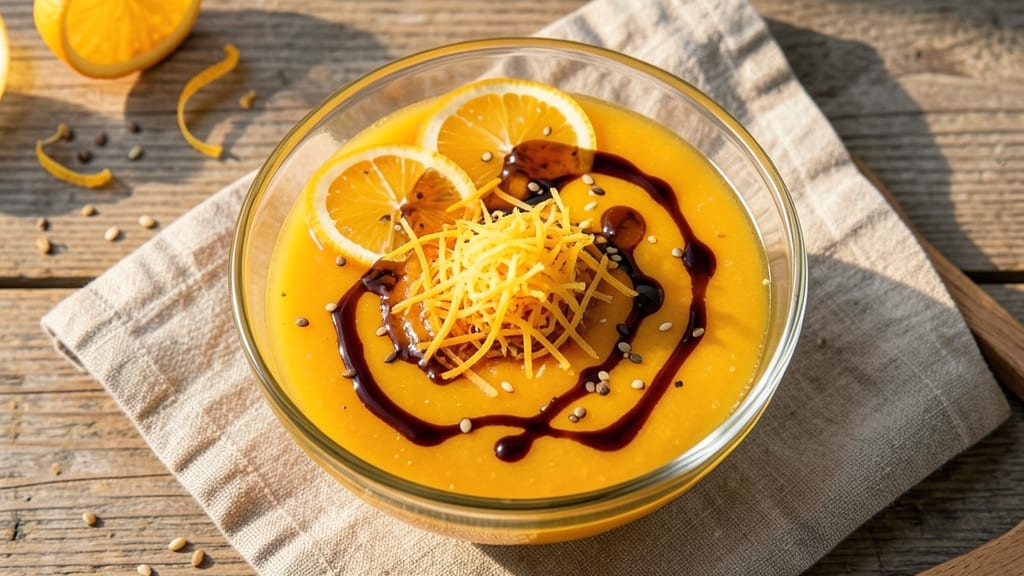
This Asian orange salad dressing recipe transforms simple salads into vibrant, flavor-packed meals with just a few ingredients. The bright citrus notes of orange juice and zest blend seamlessly with traditional Asian flavors like rice vinegar, soy sauce, and sesame oil, creating a dressing that's both refreshing and deeply umami.
What sets this recipe apart is its emulsification technique—using a touch of honey and Dijon mustard to ensure the dressing stays silky smooth, never separating.
The beauty of this dressing lies in its versatility. Use it to elevate fresh greens, toss it with noodles, or drizzle it over grilled proteins for an instant flavor boost. The balance of sweet, tangy, and savory makes it perfect for everything from summer lunches to weeknight dinners.
With just 5 minutes of prep time, you'll have a dressing that tastes like it came from a high-end restaurant.
What makes this recipe truly stand out is how it combines familiar Asian pantry staples with the bright, zesty kick of orange. The ginger adds a subtle warmth, while the sesame oil brings a nutty depth that ties everything together.
The dressing keeps well in the fridge for up to 10 days, making it ideal for meal prep—just give it a quick shake before using.
Whether you're dressing up a simple salad or using it as a marinade for tofu or chicken, this dressing delivers restaurant-quality flavor with minimal effort. The secret?
Letting the flavors meld for at least 30 minutes before serving—trust me, it makes all the difference. Ready to transform your meals with this bright, balanced dressing?
Ingredients for asian orange salad dressing
Bright citrus meets umami in this vibrant dressing—just ten ingredients for restaurant-quality flavor.
| Ingredient | Amount | Notes |
|---|---|---|
| Fresh Orange Juice 🍊 | ½ cup | Freshly squeezed, no pulp |
| Orange Zest 🍊 | 1 tbsp | Finely grated, vibrant color |
| Rice Vinegar 🍶 | ¼ cup | Unseasoned, mild flavor |
| Low-Sodium Soy Sauce 🥢 | 1 ½ tbsp | Kikkoman preferred |
| Sesame Oil 🫒 | 1 tbsp | Toasted, for nutty depth |
| Honey 🍯 | 1 tbsp | Light, mild variety |
| Dijon Mustard 🌶️ | ½ tbsp | For emulsification |
| Fresh Ginger 🧄 | 1 tsp | Finely grated, aromatic |
| Garlic Cloves 🧄 | 1 clove | Minced, for subtle depth |
| Water 💧 | ¼ cup | For thinning consistency |
| Salt 🧂 | ¼ tsp | Kosher or sea salt |
The orange juice and zest are the stars here, so pick ripe, juicy oranges—Navel or Valencia work best. Whole Foods or local farmers markets often have the freshest citrus, but grocery store oranges are fine if they're plump and heavy. For the ginger and garlic, freshly grated or minced makes all the difference—pre-minced garlic loses flavor fast. The rice vinegar should smell tangy but not harsh; Koyo or Mushroom Town brands are my go-tos. Sesame oil is non-negotiable for that nutty depth—toasted sesame oil from the Asian aisle adds the most flavor.
No fresh orange juice? Store-bought not-from-concentrate works, but add a splash of water to mimic freshness. Substitute honey with agave nectar or maple syrup if you prefer. For a gluten-free version, swap soy sauce for tamari or coconut aminos. The Dijon mustard is key for emulsification—no mustard? A pinch of xanthan gum can help, but it's not ideal. If you're short on time, pre-grated ginger from the spice aisle works, but fresh is always better. The garlic can be garlic powder at half the amount, but fresh is preferred for that authentic flavor.
This dressing keeps beautifully in the fridge for up to 10 days—just store it in an airtight jar and give it a shake before each use. For longer storage, freeze it in ice cube trays and thaw as needed. The flavors actually improve after 30 minutes of resting, so plan ahead if you're using it right away. I like to make a double batch because it disappears fast—perfect for meal prep or gifting. If it separates, just whisk vigorously to re-emulsify.
Why You'll Love This Recipe
- Five-Ingredient Magic: I swear by this dressing because it’s the kind of recipe that makes you question why you ever bought bottled versions. Fresh orange juice and zest cut through the richness of soy and vinegar, while a single drizzle of sesame oil ties it all together—no fancy techniques, just honest flavor.
- Bright & Tangy Kick: That citrus punch from the orange zest? It’s the star. The dressing balances sweet, sour, and umami so well it’ll make you want to pour it on everything—think greens, grilled chicken, or even a bowl of ramen. Honestly, it’s the kind of dressing that makes you rethink what you can pair it with.
- Meal Prep MVP: Between us, this dressing keeps for days in the fridge and only gets better as the flavors meld. I make a big batch on Sundays and use it all week—toss it with prepped salads, drizzle it over takeout, or even use it as a marinade. It’s my lazy-but-genius secret weapon.
- Budget Brightener: Sesame oil and rice vinegar are cheap, but they add depth that costs a fortune in store-bought dressings. Fresh oranges? They’re often on sale, and the zest goes a long way. This is the kind of recipe that feels fancy but won’t break the bank—or your grocery budget.
Step-by-step instructions for Asian orange salad dressing
This vibrant dressing balances bright citrus with savory depth—here's how to make it perfectly every time.
Prepare the Citrus Base
In a medium bowl, combine the 0.5 cup fresh orange juice and 1 tbsp orange zest. I like to use freshly squeezed juice for maximum brightness—strained to remove any pulp that could make the dressing grainy. The zest adds aromatic depth, so use vibrant, finely grated strips from an organic orange if possible.
Next, whisk in the 0.25 cup rice vinegar and 1.5 tbsp low-sodium soy sauce. This combination creates the perfect umami-citrus balance. Let the mixture sit for 2-3 minutes while you prep the remaining ingredients—this allows the flavors to begin melding. You'll notice the color turn a beautiful amber hue as the ingredients integrate.
Add Aromatics and Sweetness
In a small saucepan, warm the 1 tbsp sesame oil over low heat for 30 seconds until fragrant. This step releases the nutty aroma without burning the oil. Immediately transfer it to your dressing bowl along with the 1 tbsp honey, 0.5 tbsp Dijon mustard, 1 tsp fresh ginger, and 1 minced garlic clove. The mustard acts as an emulsifier, while the ginger and garlic add subtle warmth.
Use a whisk to combine everything thoroughly. The mixture should look smooth with no visible streaks of honey or mustard. Here's the thing—if you taste it now, it'll be slightly sharp and tangy. That's normal. The flavors will round out as we incorporate the final ingredients.
Emulsify and Adjust Consistency
With the motor running on low speed, slowly drizzle in the 0.25 cup water while whisking continuously. This gradual addition prevents the dressing from separating. After about 30 seconds, the mixture should begin to thicken slightly and take on a glossy appearance. If it looks too thin, add 1 more teaspoon of water; if too thick, add 1 teaspoon of orange juice to reach your desired consistency.
Finally, add the 0.25 tsp salt and give one last whisk to fully incorporate. Taste and adjust seasoning—you might want to add a touch more honey for sweetness or a splash of rice vinegar for acidity. The dressing should coat the back of a spoon with a silky texture, balancing all the bright citrus, savory soy, and subtle spice notes.
Rest and Serve
Transfer the dressing to a clean jar and let it rest at room temperature for 15-20 minutes. This resting period allows all the flavors to fully meld together, creating a cohesive taste experience. The color will deepen slightly, and the citrus notes will become more pronounced while the umami elements settle into harmony.
When ready to use, give the dressing one final shake before drizzling over your favorite salads. This vibrant dressing works beautifully with Asian-inspired greens, shredded cabbage, or even as a marinade for grilled proteins. Store any leftovers in the refrigerator for up to 5 days, shaking well before each use to maintain the perfect consistency.
Pro Tips For Making Asian Orange Salad Dressing
- STRAIN THE ZEST: Use a fine-mesh sieve—not a grater—when zesting oranges. I learned this the hard way: grated zest leaves bitter pith behind, and no amount of straining fixes it. A microplane works best, but if you’re in a hurry, a zester followed by a quick press through a sieve keeps the dressing bright.
- DILUTE THE SOY SAUCE: Mix the low-sodium soy sauce with 1–2 teaspoons of warm water first. The salt and umami dissolve better, and you’ll avoid clumpy bits in your dressing. Trust me, this small step makes the texture silky instead of grainy.
- WHISK IN STAGES: Add the sesame oil last, then whisk like you’re trying to start a fire. The oil is heat-sensitive—if you mix it in too early, it’ll dull the citrus’s brightness. A quick pulse in a blender works too, but hand-whisking gives you better control over the tang.
- USE COLD ORANGE JUICE: Strain the juice through a fine sieve or cheesecloth to remove pulp, then chill it for 10 minutes before mixing. Cold juice keeps the dressing from separating later, and it sharpens the flavor. (Yes, even if you’re impatient—this isn’t the step to skip.)
Best sauces and condiments for these flavors
Citrus-Infused Marinade
This dressing doubles as a bold marinade for proteins like chicken, shrimp, or tofu—simply reduce it by ¼ cup (simmer for 5 minutes) to create a sticky glaze. The orange and ginger tenderize while the soy sauce adds depth.
I marinate boneless chicken thighs for 30 minutes before grilling, then broil for 10 minutes at 425°F for caramelized edges. 🍗
Dipping Sauce Upgrade
Thin with 2 extra tablespoons of water to create a lighter, dippable sauce perfect for spring rolls, dumplings, or fried rice. The citrus brightens fried foods beautifully. For extra richness, stir in 1 teaspoon of toasted sesame seeds right before serving.
I love using this with homemade shrimp chips—it cuts through the oil while complementing the seafood. 🦐
Asian-Inspired Vinaigrette
Swap ½ the orange juice for apple cider vinegar and reduce honey to ½ tablespoon for a tart, vinegary twist that works wonderfully with bitter greens like endive or radicchio.
Add 1 teaspoon of sesame seeds for crunch. This version pairs perfectly with grilled halloumi or roasted Brussels sprouts. The acidity balances the richness beautifully. 🥬
Sweet and Spicy Remix
For a spicy kick, add ½ teaspoon of sriracha or 1 teaspoon of chili crisp (like Laotian chili jam). The heat contrasts beautifully with the citrus. I also stir in 1 teaspoon of lime zest for extra zing.
This version is my go-to for spicy noodle bowls or grilled pork skewers. Adjust heat to taste—start with ¼ teaspoon if you're sensitive to spice. 🌶️
Herb-Infused Variations
Fresh herbs elevate this dressing further. Try 1 tablespoon of chopped Thai basil or cilantro for an aromatic twist. For a minty freshness, add 1 tablespoon of finely chopped mint.
These additions work especially well with summer salads or cucumber-based dishes. The herbs add a bright, fresh contrast to the umami depth. 🌿
Storage and Flavor Boost
Make a double batch and store in airtight glass jars in the fridge for up to 10 days. Before using, shake vigorously to re-emulsify. For an instant flavor boost, let it sit at room temperature for 10 minutes before drizzling—this enhances the citrus notes.
I often make this on Sunday nights for the week ahead. The flavors actually improve over time! ⏳
Nutrition facts
Frequently asked questions
Can I use store-bought orange juice instead of fresh?
Yes, but choose not-from-concentrate juice for the best flavor. Add 1 tablespoon of water per ½ cup juice to mimic freshness. The pulp-free texture also helps prevent graininess in your dressing. For maximum brightness, freshly squeezed is ideal, but store-bought works in a pinch.
Why does my dressing separate after resting?
This happens when the emulsifiers (Dijon mustard and honey) aren't properly incorporated. Whisk vigorously when combining ingredients, especially when adding water. For a quick fix, whisk or shake the jar before using. To prevent separation, blend the dressing with an immersion blender for 10 seconds after mixing.
How can I make this dressing spicier?
Add ½ teaspoon of sriracha or 1 teaspoon of chili crisp (like Laotian chili jam) for heat. For deeper spice, include ½ teaspoon of red pepper flakes or a dash of cayenne pepper. Start with less if you're sensitive to spice—you can always add more. The citrus balances the heat beautifully.
Can I use this dressing as a marinade?
Reduce the dressing by ¼ cup (simmer for 5 minutes) to create a concentrated marinade. It works perfectly with chicken, shrimp, or tofu. Marinate proteins for 30 minutes before cooking—this tenderizes while infusing flavor. The citrus and ginger work especially well with grilled meats.
What's the best way to store leftovers?
Transfer to an airtight glass jar and refrigerate for up to 10 days. Shake well before each use to re-emulsify. For longer storage, freeze in ice cube trays—thaw overnight in the fridge. The flavors actually improve over time, so make a double batch for meal prep!