
Salads
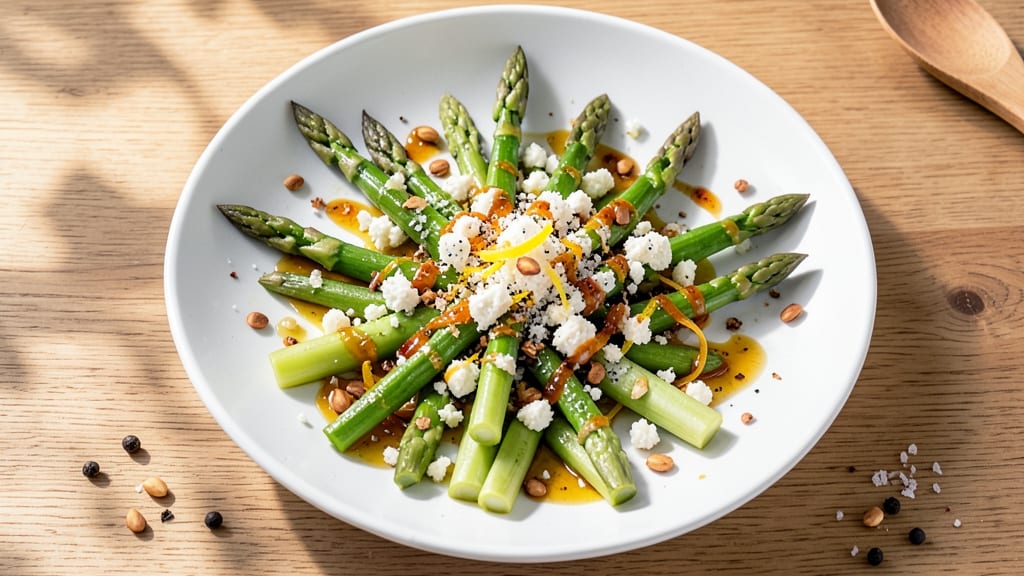
This asparagus salad recipe with feta transforms spring's most elegant vegetable into a restaurant-worthy dish with just 15 minutes of prep.
The secret lies in blanching the asparagus stems for crisp-tender texture while keeping the tips vibrant, then pairing them with briny feta and a bright lemon dressing that cuts through the richness.
I developed this recipe after realizing store-bought asparagus salads never quite captured the freshness of homegrown stems or the perfect cheese bite.
The beauty of this salad is its balance—crunchy blanched asparagus, salty feta cubes, and a dressing that's tangy enough to stand up to both. You'll start by prepping the asparagus properly (trimming woody ends is non-negotiable), then combining it with fresh herbs and a dressing that's light yet flavorful.
The result is a dish that feels special enough for company but simple enough for weeknight dinners.
What makes this salad truly shine is the contrast of textures and temperatures: crisp blanched stems against creamy feta, cool dressing against warm asparagus tips.
Serve it immediately after tossing to maintain that perfect al dente bite, or let it sit for 10 minutes if you prefer flavors to meld slightly. The feta adds a satisfying saltiness that makes every bite irresistible.
For extra depth, consider adding toasted pine nuts or a sprinkle of lemon zest—both elevate the dish without overpowering. This salad works equally well as a light lunch, side dish, or even a vegetarian main course when paired with grilled chicken or crusty bread.
Let's create this elegant yet effortless spring salad.
Ingredients for asparagus salad recipe with feta
Fresh asparagus, briny feta, and a bright lemon dressing create this elegant yet simple spring salad.
| Ingredient | Amount | Notes |
|---|---|---|
| Fresh Asparagus Spears 🌱 | 1 ½ lb | Trim woody ends, keep tips intact |
| Feta Cheese 🧀 | 8 oz | Block form, cubed (1/2-inch pieces) |
| Extra-Virgin Olive Oil 🫒 | ½ cup | Light, fruity variety preferred |
| Fresh Lemon Juice 🍋 | 3 tbsp | Freshly squeezed, strained |
| Honey 🍯 | 1 tbsp | Wildflower preferred for floral notes |
| Diamond Crystal Kosher Salt 🧂 | 1 ½ tsp | Fine grain for even distribution |
| Freshly Ground Black Pepper 🌶️ | ½ tsp | Coarsely ground for texture |
| Fresh Dill 🌿 | ¼ cup | Chopped, stems removed |
| Fresh Mint Leaves 🌿 | 0.2 cup | Finely chopped, for brightness |
| Red Wine Vinegar 🍷 | 1 tbsp | Dry variety for acidity balance |
| Toasted Pine Nuts 🥜 | ¼ cup | Optional, for crunch (skip for nut-free) |
| Lemon Zest 🍋 | 1 tsp | Freshly grated, for aroma |
| Ice Water 💧 | 2 cups | For blanching asparagus stems |
The asparagus is the star—look for bright green, firm stalks with tightly closed tips. Whole Foods or local farmers markets carry the freshest cuts, but even grocery store asparagus works if you trim the woody ends properly. The feta should be dry-aged for maximum saltiness—avoid pre-cubed varieties, which often contain additives. For the dressing, extra-virgin olive oil with at least 70% oleic acid ensures a rich yet balanced flavor. The honey should be raw and unfiltered for deeper floral notes that complement the lemon perfectly. Fresh herbs are non-negotiable here; dried versions lack the brightness this dish needs.
No feta? Vegetarian halloumi holds up well when cubed and adds a slightly firmer texture. Substitute the honey with agave nectar for a neutral sweetness, though honey's floral notes are ideal. Running short on fresh dill? Fresh parsley at double the amount works in a pinch, though it lacks the anise-like depth. The pine nuts can be swapped for toasted walnuts or pecans, but they add a distinct piney flavor that pairs beautifully with asparagus. For a tangier dressing, increase the red wine vinegar by 0.5 tbsp—just taste as you go. The lemon zest can be omitted if you're short, but it adds a subtle brightness that elevates the dish.
Blanched asparagus stays crisp for 2 hours in ice water—drain well before tossing. The salad should be served immediately after dressing to maintain that perfect al dente texture. Store any undressed components separately in airtight containers for up to 2 days, but assemble just before serving. The feta cubes can be prepped ahead and kept in the fridge for 3 days, though they'll soften slightly. For make-ahead convenience, toast the pine nuts in advance and store in a sealed container—they lose freshness quickly. The dressing keeps for 5 days in the fridge, though the herbs will wilt; add fresh herbs when serving if prepping ahead.
Why You'll Love This Recipe
- No-Cook Magic: Honestly, I swear by this one—just snap the asparagus, crumble the feta, and toss. That’s it. No boiling, no waiting, no stress. The lemon and honey do all the work while you sip your coffee.
- Crispy-Creamy Balance: Between us, that first bite of blistered asparagus with the salty feta crumbling? Chef’s kiss. The olive oil keeps it rich without being heavy, and the honey cuts through the tang like a bright little hug.
- Picnic to Potluck: This salad travels like a dream—pack it in a jar, bring it to a BBQ, or serve it straight from the bowl at a dinner party. No reheating, no fuss. My in-laws always ask for the recipe now.
- Budget Bright Spot: Fresh asparagus might seem fancy, but a bunch lasts ages if you prep it right. Feta’s cheap in bulk, and you’ll use half the honey jar before you know it. A $10 dish that feels like a splurge. (Yes, even on a Tuesday night.)
Step-by-step instructions for asparagus salad with feta
This method delivers crisp blanched stems and tender tips with a bright, briny dressing.
Blanch Asparagus Stems for Crisp-Tender Texture
Fill a medium pot with the 2 cups ice water and bring to a rolling boil over high heat. While waiting, trim the woody ends from the 1.5 lb fresh asparagus spears by snapping them at their natural break points—keep the tips intact for the salad. Once boiling, add the stems and cook for exactly 2 minutes. You'll see them turn bright green and begin to soften slightly.
Immediately drain the stems and plunge them into a bowl of ice water to stop the cooking process. This quick blanching removes bitterness while preserving their crisp texture. Let them cool completely before proceeding—this prevents the salad from becoming watery. Reserve the asparagus tips for the final assembly; you'll use them raw for freshness.
Prepare the Bright Citrus-Honey Dressing
In a small bowl, whisk together the 0.5 cup extra-virgin olive oil, 3 tbsp fresh lemon juice, 1 tbsp honey, 1 tbsp red wine vinegar, and 1 tsp lemon zest. The honey should dissolve completely into the oil, creating a silky emulsion. Season with 1.5 tsp diamond crystal kosher salt and 0.5 tsp freshly ground black pepper, then set aside. This dressing balances sweet, tangy, and briny flavors that complement the feta perfectly.
For the herbs, finely chop the 0.25 cup fresh dill and 0.2 cup fresh mint leaves separately. The dill adds an anise-like depth while the mint provides a bright, refreshing contrast. I like to taste the herbs first—if they're too strong, reduce slightly to avoid overpowering the delicate asparagus flavors.
Assemble the Salad with Crisp Components
In a large serving bowl, gently combine the blanched asparagus stems, reserved asparagus tips, and 8 oz feta cheese (cubed into ½-inch pieces). The stems should still hold their crisp texture while the tips add freshness. Sprinkle the chopped herbs evenly over the top—this ensures every bite has that herbal brightness.
Drizzle the dressing over the salad and toss gently to coat. For extra crunch, add the 0.25 cup toasted pine nuts just before serving. The pine nuts should be warm from toasting—this enhances their nutty aroma and prevents them from becoming soggy. Let the salad sit for 5-10 minutes before serving to allow the flavors to meld.
Serve Immediately for Optimal Texture
Divide the salad among plates and garnish with additional feta cheese cubes and a sprinkle of fresh dill. The contrast between the crisp blanched stems, tender tips, and briny feta creates a satisfying bite. Serve immediately while the asparagus remains crisp and the dressing clings to every component.
This salad holds well for 2 hours in the refrigerator if needed, but the texture softens over time. For best results, assemble and serve fresh. Pair with grilled meats or crusty bread to enjoy the full Mediterranean-inspired experience.
Pro Tips For Making Asparagus Salad Recipe With Feta
- Trim the Tough Ends: DESCRIPTION: Snap off the woody bottoms of the asparagus spears by bending them—don’t cut them. The break will be clean, and you’ll save time peeling. I used to waste minutes cutting these, only to realize the knife never actually removes the tough part.
- Roast, Don’t Boil: DESCRIPTION: Toss the asparagus in olive oil, salt, and pepper, then roast at 425°F (220°C) for 10-12 minutes until tender-crisp. Boiling turns them soggy, and this method caramelizes the edges for depth. Sounds counterintuitive, but the texture is everything.
- Crumble the Feta: DESCRIPTION: Skip the blocky chunks—crush the feta with your fingers (or a fork) into uneven bits. It melts faster, distributes flavor better, and looks more rustic. My first attempt with large cubes left me with a salad that tasted like one flavor zone.
- Balance the Dressing: DESCRIPTION: Mix 3 parts olive oil to 1 part lemon juice, then add honey last—just a drizzle. Taste before tossing; the honey should sweetness the acidity, not overpower it. I’ve ruined salads by dumping in all the honey upfront—now I adjust to the asparagus’s natural bitterness.
Troubleshooting your asparagus salad recipe with feta
Overcooked Asparagus
If your asparagus stems turn mushy or lose their vibrant green color, you've likely overcooked them. The key is blanching for exactly 2 minutes in boiling water—any longer and they'll turn limp.
Immediately shock them in ice water to halt cooking. For extra insurance, test a piece by biting into it: it should offer crisp resistance with a tender center. 🌱
Wilty or Watery Salad
A soggy salad usually means one of two things: either the blanched asparagus wasn't drained thoroughly, or the dressing was added too soon. Always pat the blanched stems dry with a kitchen towel before assembling.
When tossing, add the dressing gradually—start with half and taste before adding more. If the salad still looks watery, sprinkle a pinch of diamond crystal kosher salt to help absorb excess moisture.
Feta Too Salty
If your feta tastes overwhelmingly salty, it might be dry-aged or from a particularly briny batch. To balance it, increase the dressing by 1 tbsp extra-virgin olive oil and 1 tsp honey to dilute the saltiness.
Alternatively, rinse the feta cubes briefly under cold water and pat them dry before adding to the salad. For future batches, opt for feta with 30% fat content—it's less salty than standard varieties.
Dressing Too Thin
A dressing that separates or looks too thin can happen if the honey doesn't fully emulsify. Whisk vigorously for 30 seconds to combine the ingredients properly. If it still separates, add 1 tsp Dijon mustard as an emulsifier.
For a thicker dressing, reduce the lemon juice by 0.5 tbsp and increase the olive oil by the same amount. Always taste as you go—adjust seasoning gradually.
Herbs Overpowering
Fresh herbs can dominate if not balanced properly. If your dill or mint tastes too strong, reduce the amount by 1 tbsp and add 1 tbsp finely chopped parsley instead. For a milder flavor, use the stems of the herbs (which are less potent) and finely chop them.
Always taste the herbs before adding them to the salad—if they're too intense, reduce slightly or skip them altogether.
Pine Nuts Too Bitter
If your toasted pine nuts taste bitter, they may have gone rancid. Store pine nuts in an airtight container in the refrigerator to preserve freshness. For toasting, keep the heat at medium-low and watch closely—they burn quickly.
If they're already bitter, replace them with toasted walnuts or pecans, which have a sweeter, nuttier profile. 🥜
Nutrition facts
Frequently asked questions
Can I use pre-cut asparagus for this salad?
Pre-cut asparagus works, but fresh whole spears give the best results. If using pre-cut, look for bright green stems with firm tips. Trim any remaining woody ends and follow the same blanching method—just reduce cooking time to 1 minute since pre-cut pieces are thinner. The key is keeping those stems crisp!
How do I make this salad ahead of time?
Prep the components separately for best results. Blanch and cool the asparagus stems, cube the feta, and make the dressing (without herbs). Store everything in airtight containers for up to 2 days. When ready to serve, toss everything together and add fresh herbs just before eating. The texture stays best when assembled fresh!
What if I don't have fresh dill or mint?
No problem! Use 1 tbsp fresh parsley instead of mint and 1 tbsp fresh basil instead of dill for a similar effect. For dried herbs, use half the amount (so 0.5 tbsp dried dill instead of fresh), but fresh herbs always taste better in this salad. The herbs add brightness that balances the feta's saltiness!
Can I make this salad without feta?
Try halloumi cheese (grilled for extra flavor) or goat cheese crumbles instead. For a dairy-free option, use marinated artichoke hearts or toasted sunflower seeds for crunch. The key is maintaining that salty, briny contrast that makes the salad shine.
How spicy should the dressing be?
The dressing in this recipe is designed to be bright and tangy, not spicy. For heat, add 1/4 tsp red pepper flakes to the dressing or sprinkle chopped jalapeño on top before serving. Start with a small amount—you can always add more, but removing spice once added is tricky!