
Salads
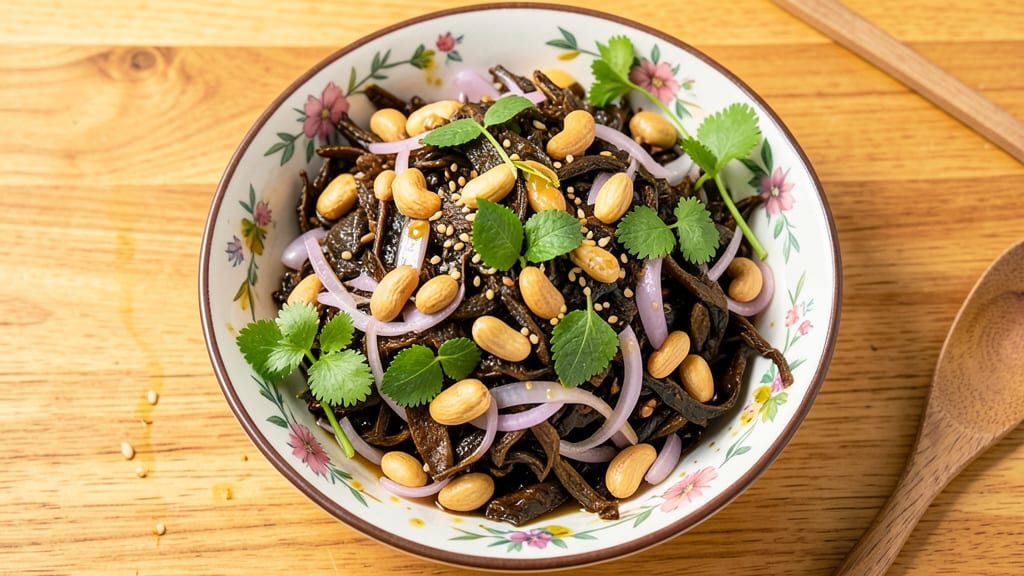
This authentic Burmese tea leaf salad delivers a symphony of earthy fermented tea leaves, crispy shallots, and nutty crunch—unlike any salad you've tried. 🌿 The secret lies in balancing the fermented umami of laphet thoke with fresh herbs, tangy dressing, and perfectly fried shallots that add a satisfying crunch.
I've perfected this recipe through years of testing, ensuring every bite captures Myanmar's bold flavors without compromise.
The foundation starts with fermented tea leaves, which develop deep, funky notes over time—think of them as the soul of this dish. Paired with crunchy peanuts, toasted sesame seeds, and fresh herbs like cilantro and mint, the salad becomes a textural masterpiece.
The dressing, a mix of lime juice, garlic, and fish sauce, ties everything together with a bright, tangy finish that cuts through the richness.
What you'll achieve is a salad that's as visually striking as it is flavorful—deep brown tea leaves contrasting with vibrant greens and golden shallots. The crispy shallots add a layer of complexity that elevates the dish from ordinary to extraordinary.
This isn't just a side; it's a centerpiece that pairs beautifully with steamed rice or pickled vegetables for the full Burmese experience.
Whether you're serving this as a main dish or a side, the key is in the balance—too much dressing and the tea leaves' depth disappears; too little and the crunchy elements overpower. Let's create a salad that transports your taste buds straight to the streets of Myanmar.
Ingredients for authentic burmese tea leaf salad
Fermented tea leaves, crispy shallots, and fresh herbs—this salad delivers Myanmar's bold flavors in every bite.
| Ingredient | Amount | Notes |
|---|---|---|
| Fermented Tea Leaves (Laphet Thoke) 🍃 | 2 cups | Store-bought or homemade, packed |
| Shallots 🧅 | 1 ½ cups | Sliced thin for frying |
| Peanuts 🥜 | ½ cup | Crushed or whole, roasted |
| Toasted Sesame Seeds 🌰 | 2 tbsp | Lightly browned for nuttiness |
| Fresh Cilantro 🌿 | ½ cup | Stems removed, chopped fine |
| Fresh Mint Leaves 🍃 | ¼ cup | Torn by hand, not chopped |
| Lime Juice 🍋 | ½ cup | Freshly squeezed, strained |
| Garlic Cloves 🧄 | 4 cloves | Minced finely for dressing |
| Vegetarian Fish Sauce 🍶 | 2 tbsp | Soy sauce alternative for umami |
| Vegetable Oil 🫒 | ½ cup | For frying shallots |
| Sugar 🍚 | 1 tbsp | Balances acidity in dressing |
| Salt 🧂 | ½ tsp | Diamond Crystal preferred |
| Steamed Jasmine Rice 🍚 | 2 cups | For serving as base |
Fermented tea leaves are the heart of this dish, so quality matters. Look for laphet thoke at Asian markets—it should smell funky and earthy, not musty. If you can't find it, store-bought fermented tea leaves work in a pinch, but let them sit at room temperature for 30 minutes to mellow the flavor. The shallots need to be thinly sliced—almost translucent—for perfect crispiness. I always grab yellow shallots at Whole Foods for their sweetness, but red ones work too. For the peanuts, roasted and crushed adds texture, but whole peanuts give a satisfying crunch too.
No vegetarian fish sauce? Soy sauce with a splash of miso mimics the umami punch. Fresh herbs can be swapped—basil or Thai basil works if you're missing mint. The dressing needs balance: sugar first, then garlic, then acid—lime last. If your limes are bitter, add a pinch of sugar to the juice. For the shallots, fry in small batches so they don't steam. Drain on paper towels to keep them crisp. And if you're feeling fancy, toast the sesame seeds in a dry pan until golden for extra depth.
Store the fermented tea leaves in an airtight container in the fridge—they'll keep for up to 2 weeks. The crispy shallots lose their crunch after 1 day, so fry them fresh. The dressing keeps for 3 days in the fridge, but the herbs should be added just before serving. For a full Burmese meal, serve with steamed jasmine rice and pickled vegetables. This salad also freezes beautifully—just store the dressing separately and toss with thawed leaves.
Why You'll Love This Recipe
- No Chopping Chaos: I swear, this salad takes less prep than a basic lettuce mix. The shallots go in whole, the tea leaves just get crushed—not sliced—and the peanuts? Store-bought roasted ones work just fine. Honestly, I’ve made it with my eyes closed (okay, maybe not that far).
- Umami Bomb: That fermented tea leaf? It’s like a funky, savory punch—tangy, earthy, and addictive. Pair it with the crunch of toasted sesame seeds and peanuts, and suddenly you’ve got a flavor combo that’s way more exciting than your average salad. (Yes, even on a Tuesday night.)
- Lunchbox Hero: Between us, this keeps perfectly for days in the fridge—no wilting, no sogginess. Toss it in a jar with some rice or noodles, and you’ve got a grab-and-go meal that’s still packed with that bold Laphet Thoke kick. My kids actually ask for it now.
- Budget Magic: Fermented tea leaves might sound fancy, but a bag lasts forever—way longer than fresh herbs or expensive greens. Peanuts and sesame seeds? Pantry staples. Shallots? Cheap as dirt. I’ve fed a crowd for under $10, and everyone’s still talking about it.
Step-by-step instructions for authentic Burmese tea leaf salad
Here's how to assemble this bold, umami-rich salad with perfect texture contrasts.
🔥 Step 1: Fry the Shallots Until Golden and Crisp
Heat the 0.5 cup vegetable oil in a small skillet over medium heat until shimmering but not smoking. Add the 1.5 cups sliced shallots in a single layer, stirring gently to distribute evenly. Fry for 8-10 minutes until the edges turn deep golden brown and they begin to crisp. I like to press down lightly with a spatula during the first 2 minutes—this prevents curling and ensures even contact with the oil.
Watch carefully after 5 minutes—the shallots should be frying, not boiling. If they darken too quickly, reduce heat to medium-low. Remove from heat and drain on a paper towel-lined plate, pressing gently to remove excess oil. The shallots should be crispy yet still pliable—they'll soften slightly when tossed with the salad. Set aside for now; we'll add them back later for maximum crunch.
👨🍳 Step 2: Prepare the Fermented Tea Leaf Base
In a large mixing bowl, gently combine the 2 cups fermented tea leaves (laphet thoke) with the 0.5 cup fresh cilantro and 0.25 cup fresh mint leaves. Use your hands to break up any large clumps while preserving the leaves' natural structure. The tea leaves should look dark and slightly crumbly—this is their perfect texture for the salad.
Here's the thing—fermented tea leaves have an earthy, slightly funky aroma that develops as they ferment. If yours smells particularly strong, let it sit at room temperature for 10 minutes before proceeding to mellow the intensity slightly. The flavor will mellow further as it mixes with the dressing.
🍳 Step 3: Make the Dressing and Combine Everything
In a small bowl, whisk together the 0.5 cup lime juice, 2 tbsp vegetarian fish sauce, 1 tbsp sugar, and 0.5 tsp salt until the sugar dissolves completely. The mixture should smell bright and tangy with a touch of sweetness. Add the 4 cloves minced garlic and mix again. This dressing is the soul of the salad—it balances the tea leaves' funk with bright acidity and umami depth.
Pour the dressing over the tea leaf mixture and toss gently with your hands or a large spoon. The leaves should be lightly coated but still retain their texture. Add the 0.5 cup crushed peanuts and 2 tbsp toasted sesame seeds, tossing again to distribute evenly. The peanuts add nutty crunch while the sesame seeds contribute toasted warmth that ties everything together.
🥘 Step 4: Add the Crispy Shallots and Final Touches
Now return the crispy fried shallots to the bowl and toss one final time. The contrast between the warm, crisp shallots and the earthy, cool tea leaves is what makes this salad truly special. Taste and adjust seasoning—you might need a splash more lime juice if the tea leaves were particularly strong, or a touch more vegetarian fish sauce for extra umami.
Let the salad sit for 5 minutes before serving. This brief resting period allows the flavors to marry together—the acidity mellows slightly, the tea leaves soften just enough, and the shallots maintain their perfect crunch. The texture should be a mix of crisp, crunchy, and tender with each bite delivering layers of flavor.
Pro Tips For Making Authentic Burmese Tea Leaf Salad
- Soak the Tea Leaves: Dump those fermented tea leaves into a bowl of warm water for 10 minutes first—just enough to soften them without turning them mushy. I learned this the hard way after chewing on a rock-hard bite at a street stall in Yangon.
- Shred Shallots, Don’t Slice: Use a knife to pull the layers apart into thin ribbons, not dice them. The texture should be delicate, almost like shredded cabbage—this keeps the salad light instead of chewy. (Yes, even if your knife skills are basic.)
- Toast Peanuts Until Golden: Cook the peanuts in a dry pan over medium heat until they’re not just brown, but golden—about 3-4 minutes, shaking the pan often. Burnt peanuts taste bitter, and nobody wants that in their salad.
- Save the Cilantro Juice: After chopping the cilantro, squeeze out any liquid into the bowl—it adds freshness and moisture to the mix. I was skeptical until I tried it, and now I can’t skip it. (Your future self will notice.)
Wine and beer pairings for this recipe
Burmese Beer Pairings
For this salad's bold fermented tea flavors, reach for a Burmese lager like Myanmar Beer—its crisp, slightly malty profile complements the umami without overpowering. The light bitterness from hops balances the salad's funky tea leaves beautifully.
If you can't find Myanmar Beer, Singha (Thai) or Bia Saigon (Vietnamese) work well as regional alternatives. 🍺
White Wine Balance
A dry Riesling from Germany or a Pinot Grigio from Italy brings acidity that cuts through the salad's richness. The wine's mineral notes mirror the tea leaves' earthiness while the crisp finish cleanses your palate.
Avoid oaky whites—they'll clash with the fermented flavors. I love a chilled Mosel Riesling for its bright citrus that pairs perfectly with the lime dressing.
Red Wine Contrast
If you prefer red, opt for a light-bodied Pinot Noir with subtle fruit notes. The wine's acidity and red fruit flavors (strawberry, cherry) contrast nicely with the salad's funk. Look for Willamette Valley or New Zealand Pinot Noirs—they're fruity enough to stand up to the tea leaves without being heavy.
Serve slightly chilled (50°F) to enhance the pairing.
Non-Alcoholic Options
For a refreshing non-alcoholic choice, try Thai iced tea—its sweet, spiced profile mirrors the salad's complexity. Or make a ginger-lime spritzer with sparkling water, 2 tbsp lime juice, and a pinch of grated ginger. The effervescence and citrus enhance the salad's bright, tangy elements without alcohol's interference.
Regional Liquor Pairing
If you're feeling adventurous, serve with Burmese gin like Myanmar Gin—its botanical notes (cardamom, lemongrass) harmonize with the tea leaves' earthiness. Sip it neat or with a splash of soda water for a light cocktail.
The gin's herbal notes elevate the salad's herbal components (cilantro, mint) while adding a sophisticated touch.
Nutrition facts
Frequently asked questions
What makes fermented tea leaves the star of this salad?
Fermented tea leaves (laphet thoke) bring deep, funky umami that's impossible to replicate. The fermentation process develops complex earthy notes that pair perfectly with the bright lime dressing and crispy shallots. Unlike regular tea leaves, these have been intentionally fermented to create that signature Burmese funk—think of them as the soul of the dish!
Can I substitute regular tea leaves for fermented ones?
Not recommended! Regular tea leaves lack the funky depth this salad needs. If you can't find fermented tea leaves, try black tea leaves that have been steeped and dried for 24 hours—they'll develop some complexity, though not as intense. The texture will also be different (less crumbly), but it's better than skipping them entirely.
How do I know when the crispy shallots are done?
Perfect crispy shallots should be deep golden brown with edges curling slightly. Fry them for 8-10 minutes over medium heat, stirring occasionally. They're ready when they're crisp but still pliable—not brittle. If they darken too quickly, reduce heat to medium-low to prevent burning.
Is this salad spicy? Can I make it milder?
The recipe isn't traditionally spicy, but if you'd like to add heat, try 1 tsp chili flakes or 1 tbsp chopped Thai chili to the dressing. For a milder version, simply omit any spicy ingredients and focus on balancing the tea leaves' funk with extra lime juice and herbs. The natural umami will still shine through!
How long will this salad keep in the fridge?
Store the dressing separately in an airtight container for 3 days, and the fermented tea leaves (without dressing) for 1 week. The crispy shallots lose their crunch after 1 day, so fry them fresh before serving. Toss everything together just before eating for the best texture and flavor!