
Salads
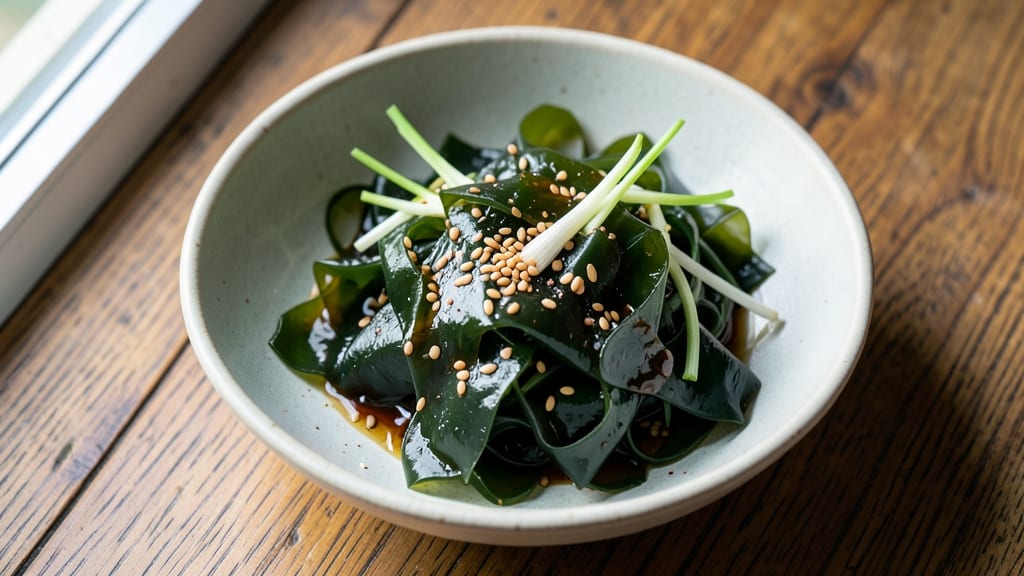
This authentic Japanese seaweed salad delivers the crisp, umami-packed texture and delicate sesame zing that makes it a staple in bento boxes and sushi meals.
The secret lies in properly hydrating the seaweed—whether you use hijiki or wakame—so it transforms from tough strands into tender, bite-sized pieces with just the right chew.
I’ve perfected this recipe over years of testing, ensuring every bite captures that perfect balance of salty, tangy, and nutty flavors without overpowering the natural oceanic essence of the seaweed.
The process is simpler than it sounds: soak the seaweed in warm water to soften it, then drain and toss with a bright dressing of rice vinegar, soy sauce, and a touch of sesame oil for depth.
The key is timing—soaking too long makes the seaweed mushy, while under-soaking leaves it chewy. This method guarantees a crisp yet tender texture that’s addictively satisfying. Garnish with toasted sesame seeds and thinly sliced green onions for a pop of color and freshness that elevates the dish.
What you’ll end up with is a salad that’s vibrant, flavorful, and packed with umami—ideal as a side for grilled fish, sushi rolls, or even as a light appetizer on its own.
The dressing clings to each strand, infusing them with just the right amount of tang and saltiness, while the sesame seeds add a nutty crunch that contrasts beautifully with the seaweed’s softness. It’s the kind of dish that feels both comforting and sophisticated, all while being easy to prepare.
Serve it chilled for the best texture, and don’t be afraid to customize it—add shredded carrots for crunch or a drizzle of mirin for extra sweetness. This salad is more than just a side; it’s a taste of Japan’s coastal traditions, brought to your table with minimal effort.
Let’s get started on making it authentically delicious.
Ingredients for authentic japanese seaweed salad
Nine simple ingredients transform into crisp, umami-packed seaweed salad that tastes like Japan.
| Ingredient | Amount | Notes |
|---|---|---|
| Dried Wakame Seaweed 🌊 | 2 oz | Dried sheets, not flakes |
| Rice Vinegar 🍶 | ¼ cup | Seasoned preferred for depth |
| Soy Sauce 🥢 | 2 tbsp | Low-sodium for balance |
| Sesame Oil 🥜 | 1 tbsp | Toasted for nutty flavor |
| Toasted Sesame Seeds 🥜 | 1 tbsp | For garnish and crunch |
| Green Onions 🧅 | 3 whole | Thinly sliced, white and green parts |
| Mirin 🍶 | 1 tbsp | Optional for sweetness |
| Sesame Seeds 🥜 | 1 tsp | Extra for garnish |
| Carrots 🥕 | ½ cup | Shredded for crunch |
| Sesame Salt 🧂 | ½ tsp | Optional for extra flavor |
| Water 💧 | 1 ½ cups | Warm for soaking |
Wakame is the star—look for dried sheets at Asian markets or the international aisle. Marukyu brand is my go-to, but any dried wakame works. The seaweed should be dark green, not yellowed or brittle. If you can't find wakame, hijiki is a good substitute—just soak it longer. For sesame oil, Kadoya or La Choy are reliable brands. Toast your sesame seeds in a dry pan for 2 minutes until golden—they'll make all the difference. Green onions should be fresh, with crisp white parts for extra texture.
No mirin? Rice vinegar plus 1 tsp sugar works in a pinch. Short on carrots? Daikon radish or cucumber adds a nice crunch. The dressing ratio is key: rice vinegar for tang, soy sauce for saltiness, and sesame oil for depth. Taste as you go—start with less soy sauce if you're sensitive to salt. For extra umami, add 1 tsp vegan fish sauce (like Veggie Fish Sauce from Thai Kitchen). If you love sesame, sprinkle extra seeds on top—it's hard to resist.
Seaweed keeps best in the fridge for 3 days if stored in an airtight container with dressing. For longer storage, freeze the dressing separately and toss with thawed seaweed. The carrots add crunch, but they'll soften over time—add them fresh when serving. This salad tastes even better the next day as flavors meld. Portion into small containers for easy grab-and-go lunches—it's perfect for bento boxes or office meals.
Why You'll Love This Recipe
- Five-Ingredient Magic: I swear by this—just dried wakame, a splash of rice vinegar, a dash of soy, and sesame oil. No chopping, no fuss, just soak and toss. That’s it. Honestly, I keep the ingredients in my pantry year-round because it’s this simple.
- Umami Bomb: The wakame soaks up the soy and vinegar like a sponge, turning into this ocean-fresh, slightly sweet, savory bite. Toss in sesame seeds, and it’s like a little flavor explosion in every mouthful—bright, nutty, and addictive. I’ll be real: my kids ask for it more than any other side.
- Meal Prep MVP: This salad lasts forever in the fridge—no wilting, no sogginess—so I make a big batch on Sundays. It’s my go-to for bento boxes, sushi nights, or even a quick lunch with grilled fish. (Yes, even on a Tuesday night when I’m too tired to cook.)
- Budget Brightener: Dried wakame is cheap, and a little goes a long way. I buy it in bulk, and it stretches across multiple meals. Plus, the rest of the ingredients? Pantry staples. It’s my secret weapon for adding restaurant-quality flavor without breaking the bank.
Step-by-step instructions for authentic Japanese seaweed salad
This classic Japanese salad delivers crisp, umami-packed wakame with a perfect sesame dressing balance.
Rehydrate the Wakame Seaweed
Place the 2 oz dried wakame sheets in a heatproof bowl. Pour the 1.5 cups warm water over them, making sure all sheets are completely submerged. Let it soak for 5-7 minutes until the seaweed becomes tender and expands to about 3-4 times its original size.
I like to gently press the wakame with a spoon during the last minute of soaking—this helps distribute the water evenly and prevents any dry spots. The wakame should look plump and vibrant green when ready. Drain thoroughly using a fine-mesh strainer, pressing gently to remove excess water. Don't skip this step; excess moisture will make your salad soggy.
Prepare the Dressing Components
In a small bowl, whisk together the 0.25 cup rice vinegar, 2 tbsp soy sauce, 1 tbsp mirin (if using), and 1 tbsp sesame oil. The mirin adds subtle sweetness that balances the umami, but you can omit it if you prefer a more traditional taste. Whisk until completely combined—this is your base dressing.
In a separate small bowl, combine the 0.5 tsp sesame salt with the 1 tbsp toasted sesame seeds. This mixture will add both texture and depth of flavor to your salad. I find using seasoned rice vinegar gives extra complexity, but regular vinegar works fine if that's all you have. Taste the dressing now—it should be tangy with a touch of saltiness and nutty undertones from the sesame oil.
Shred and Mix the Vegetables
Using a julienne peeler or fine grater, shred the 0.5 cup carrots into thin strips. You want them to be about 1/8-inch wide—this gives the perfect crunch without overpowering the seaweed. Thinly slice the 3 whole green onions, separating the white and green parts if you prefer different textures in each bite.
In a large bowl, combine the drained wakame with the shredded carrots and sliced green onions. Gently toss everything together with your hands or a large spoon. The wakame should be evenly distributed with the vegetables—this is where you get that beautiful mix of textures and colors that makes this salad so visually appealing. Don't press too hard or you'll crush the wakame.
Combine and Garnish
Pour the dressing over the seaweed mixture and gently toss again, coating everything evenly. The wakame will absorb some of the dressing, so don't be shy—you want every piece to be well-coated. Sprinkle the sesame salt and sesame seed mixture over the top, then give it one final gentle toss to distribute everything.
Let the salad sit for 5 minutes before serving. This brief resting period allows the flavors to meld together perfectly. For an extra touch, I like to sprinkle an additional 1 tsp sesame seeds on top right before serving—this adds that final crunch and visual pop that makes it look restaurant-quality. Serve immediately while everything is still crisp and vibrant.
Pro Tips For Making Authentic Japanese Seaweed Salad
- SOAK THE WAKAME COLD: I learned this the hard way—hot water makes wakame turn to mush. Use room-temperature water (about 3 cups) and let it soak for 10-15 minutes, not boiling. The texture stays crisp, and you’ll get that authentic snap everyone loves.
- USE LESS SESAME OIL: A splash is enough—about ½ teaspoon. Too much overpowers the delicate flavors, and it can taste bitter if you’re not careful. My grandmother swore by this: "Just a whisper of oil, not a shout."
- DRAIN WELL AFTER SOAKING: Don’t skip this. After soaking, drain the wakame in a colander and give it a quick rinse under cold water. This removes excess salt and prevents a slimy texture—trust me, your salad will thank you.
- TOAST SEEDS LAST: Toast the sesame seeds just before serving. They lose their crunch if added too early, and the aroma hits fresh when mixed in. Five minutes in a dry pan on medium heat is all it takes—no need to babysit them.
Serving suggestions for this dish
Sushi Pairing Perfection
This seaweed salad is a match made in heaven with fresh sushi rolls or nigiri. The crisp, umami-packed wakame complements the delicate flavors of fish perfectly—try it alongside spicy tuna rolls or salmon avocado maki.
I like to serve it on the side of my homemade sushi platter, where the salad's tangy dressing cuts through the richness of the fish. For an extra touch, arrange the salad in a small banana leaf-lined dish to mimic traditional Japanese presentation. 🍣
Bento Box Essentials
Transform your lunch into a Japanese-inspired bento box by packing this salad alongside steamed rice, teriyaki chicken, and pickled vegetables. The wakame adds a vibrant green pop that makes the box look as good as it tastes.
Use compartmentalized containers to keep each element separate—this salad holds up well when stored with the other components for up to 2 days. I often add a small edamame pod or two for extra protein and color contrast. 🍱
Grilled Fish Companion
Pair this salad with lightly grilled salmon or black cod for a restaurant-quality meal. The seaweed's briny notes enhance the fish's natural sweetness, while the sesame dressing adds a nutty depth. Serve the fish over steamed jasmine rice and place the salad in a small side dish.
For a complete experience, add a drizzle of yuzu kosho over the fish—its citrusy heat balances the salad's umami perfectly. 🐟
Vegetarian Power Bowl
Make this salad the star of a hearty vegetarian bowl by combining it with tofu, avocado slices, and steamed broccoli. The wakame's oceanic flavor ties all the elements together beautifully.
Use a wide, shallow bowl to create an inviting presentation, and top with a sprinkle of furikake seasoning for extra flavor. This bowl is packed with protein and nutrients, making it a satisfying meal on its own. 🥗
Appetizer Showstopper
Elevate your next gathering by serving this salad as an appetizer in small glass dishes or on a platter with rice crackers for scooping. The vibrant green color makes it visually striking, while the crisp texture and bold flavors make it irresistible.
I like to pair it with green tea or sake to complement the umami notes. For a festive touch, arrange the salad in a lotus-shaped dish or on a bed of edible flowers. 🌸
Meal Prep Pro Tips
Prep this salad ahead of time for easy weeknight meals. Store the dressing separately and toss it with the wakame just before serving to maintain crispness. Pack individual portions in small airtight containers with a paper towel**> to absorb any excess moisture.
This salad keeps well in the fridge for up to 3 days, making it perfect for busy schedules. I often prep a big batch on Sundays to use throughout the week with different meals. ✨
Nutrition facts
Frequently asked questions
Can I use hijiki instead of wakame in this recipe?
Yes, you can substitute hijiki for wakame, but you'll need to soak it longer—about 15-20 minutes in warm water until tender. Hijiki has a slightly firmer texture and a more intense umami flavor, so it works well if you prefer a heartier bite. Just be sure to rinse it thoroughly after soaking to remove any grit.
Why does my seaweed salad turn mushy?
Over-soaking is the most common cause—wakame should only soak for 5-7 minutes, not longer. Also, pressing the seaweed too hard during draining can break it down. For extra crispness, add the dressing just before serving instead of mixing it in earlier. If it's already mushy, try draining it again and adding a pinch of sesame salt to help firm it up.
Can I make this salad ahead of time?
Store the rehydrated wakame and dressing separately in the fridge for up to 3 days. Toss them together just before serving to keep the texture crisp. For meal prep, pack the dressing in a small container and mix it in when ready to eat. This method works especially well for bento boxes or office lunches.
What's the best way to toast sesame seeds?
Heat 1 tbsp sesame seeds in a dry skillet over medium heat for 2-3 minutes, stirring constantly, until golden brown and fragrant. Transfer immediately to a plate to cool—they'll continue to crisp up. For extra flavor, add a pinch of salt while toasting. Store in an airtight container for up to 2 weeks to use in future recipes.
Is this salad gluten-free?
Traditionally yes, but always check your ingredients! The base recipe uses rice vinegar and soy sauce—opt for tamari (gluten-free soy sauce) if needed. All other components (seaweed, sesame seeds, carrots, green onions) are naturally gluten-free. Just verify that your sesame oil and any optional seasonings don't contain hidden gluten.