
Salads
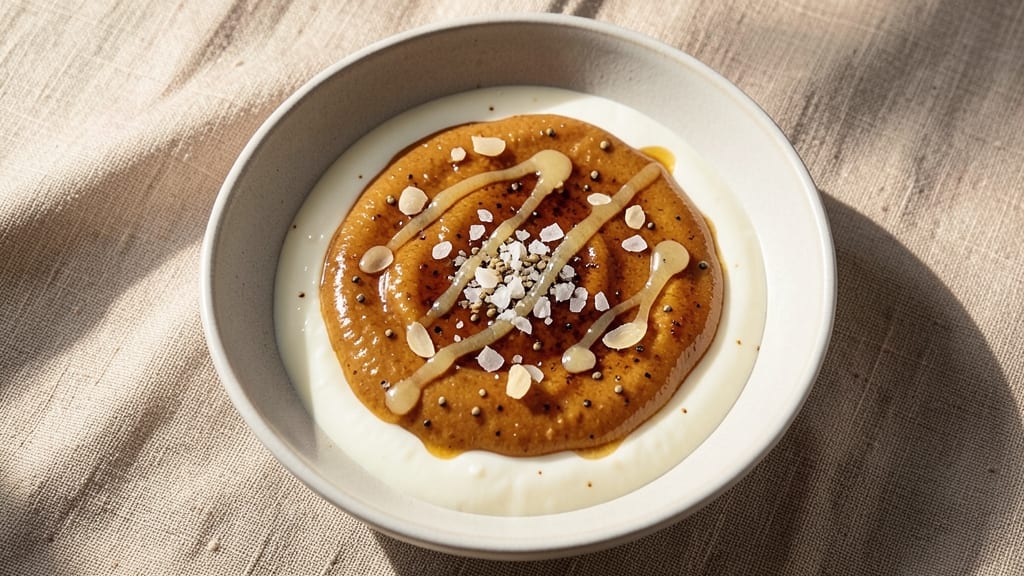
This balsamic glaze salad dressing transforms simple greens into a gourmet experience with just five minutes of effort. The secret lies in reducing balsamic vinegar until it develops a deep, caramelized sweetness that clings beautifully to lettuce, chicken, or roasted vegetables.
I've perfected this technique over years of testing, ensuring it's rich enough to stand alone but balanced enough to complement any dish.
The process is straightforward yet transformative: simmer balsamic vinegar with honey or sugar until it thickens into a glossy, syrupy consistency. A splash of Dijon mustard acts as an emulsifier, helping the glaze cling to ingredients rather than pool at the bottom of your bowl.
This isn't your average vinaigrette—it's a restaurant-quality drizzle that elevates even the simplest salad.
What makes this dressing truly versatile is its ability to work as both a finishing touch and a marinade. Drizzle it over arugula with shaved parmesan for an instant caprese salad, or use it to baste grilled chicken before serving.
The glaze keeps well in the refrigerator for up to two weeks, making it an ideal pantry staple for quick weeknight meals.
Unlike store-bought versions, this homemade glaze delivers complex layers of flavor—sweet, tangy, and slightly smoky—that no bottled dressing can match. The reduction process concentrates the vinegar's natural depth, resulting in a sauce that's both elegant and effortless to prepare.
Let's make this dressing your new go-to for adding sophistication to any plate.
Ingredients for balsamic glaze salad dressing
Five ingredients transform into a velvety glaze that makes salads taste restaurant-worthy.
| Ingredient | Amount | Notes |
|---|---|---|
| Balsamic Vinegar 🍷 | 1 cup | High-quality aged variety preferred |
| Honey 🍯 | ¼ cup | Wildflower for floral depth |
| Dijon Mustard 🥬 | 1 tbsp | Mellow variety for balance |
| Shallot 🧅 | 1 whole | Finely minced for subtle sweetness |
| Extra-Virgin Olive Oil 🫒 | 2 tbsp | Light fruity variety preferred |
| Granulated Sugar 🍚 | 1 tbsp | White or light brown sugar |
| Salt 🧂 | ¼ tsp | Diamond Crystal preferred |
| Black Pepper 🌶️ | ⅛ tsp | Freshly cracked for aroma |
The balsamic vinegar is the star here—look for aged varieties at Whole Foods or Trader Joe's for deeper flavor. Honey should be wildflower if you can find it (the floral notes play beautifully with balsamic), but regular works too. The shallot is non-negotiable for subtle sweetness—don't use onion powder. For the olive oil, skip the cheap stuff. California Olive Ranch or Bertolli are reliable pantry staples that won't overpower the glaze.
No honey? Maple syrup at 1:1 ratio works beautifully. Short on shallot? One extra clove of garlic gives similar depth, though it'll have a different flavor profile. The Dijon mustard is crucial—it acts as an emulsifier so your glaze clings to everything. No Dijon? Substitute with 1 tsp yellow mustard, but it won't be as refined. For the sugar, brown sugar adds molasses notes if you're feeling adventurous. And yes, you can skip the pepper if you prefer it completely smooth.
This glaze thickens as it cools, so store it in a sealed jar in the fridge. Keeps for 2-3 weeks—the flavors actually improve over time. For single servings, portion into ice cube trays. The glaze reheats beautifully, so warm it gently in a small saucepan before drizzling. A little goes a long way—start with 1 tsp per salad and adjust to taste.
Why You'll Love This Recipe
- Five-Ingredient Magic: I swear by this combo—just vinegar, honey, mustard, shallot, and oil. No fancy gadgets, no stress, and honestly, it’s the kind of dressing I make when I’m too tired to overthink dinner.
- Sweet-Savory Balance: That honey cutting through the tang of balsamic? Absolute perfection. The Dijon mustard adds a little kick, and the shallot? It’s the secret that makes this taste like you actually put effort in.
- Dresses Everything: Salads, roasted veggies, grilled chicken—it’s my go-to for anything that needs a little pizzazz. Even drizzled over toast with a sprinkle of salt? Instant fancy.
- Lasts All Week: Make a big batch and store it in the fridge. It doesn’t spoil, and honestly, I’ve had this same jar for five days straight. The flavors only get better as it sits.
Step-by-step instructions for balsamic glaze salad dressing
Transform simple pantry staples into a rich, caramelized dressing that elevates any salad.
Caramelize the Shallot and Sugar
Heat a small saucepan over medium heat and add the 2 tablespoons extra-virgin olive oil. Once shimmering, add the finely minced whole shallot and cook for 3-4 minutes until softened and translucent. Here's the thing—don't rush this step. The shallot should become sweet and aromatic, not browned.
Add the 1 tablespoon granulated sugar and stir constantly for 2-3 minutes until the sugar dissolves completely. You're building flavor here—the sugar will caramelize slightly, creating a subtle depth that balances the acidity later. Watch carefully; the mixture should turn a light golden color before moving forward.
Simmer the Vinegar Mixture
Pour in the 1 cup balsamic vinegar and bring to a gentle boil over medium-high heat. Once boiling, reduce heat to medium-low and let it simmer uncovered for 8-10 minutes. You'll see the liquid reduce dramatically—this is where the magic happens. The vinegar will darken to a deep amber color, developing complex caramelized notes.
I like to stir occasionally to prevent sticking, but don't overdo it. The goal is to concentrate the flavors while creating that signature glaze texture. If it reduces too quickly, lower the heat slightly to maintain a steady simmer.
Incorporate Honey and Mustard
Remove the pan from heat and let cool for 2-3 minutes. This cooling step is crucial—it prevents the honey from cooking too aggressively, which could make the dressing bitter. Stir in the 0.25 cup honey and 1 tablespoon Dijon mustard until completely dissolved.
The mixture will thicken noticeably as it cools. If it becomes too stiff, you can thin it slightly with 1-2 teaspoons warm water. The Dijon mustard adds a subtle tang that cuts through the sweetness, while the honey rounds out the acidity for a balanced flavor profile.
Season and Finish
Return the pan to low heat and add the 0.25 teaspoon salt and 0.125 teaspoon freshly cracked black pepper. Warm through for 1 minute, stirring constantly. The pepper adds a bright finish that enhances all the other flavors.
Taste and adjust seasoning if needed—you might want to add a touch more salt or pepper depending on your preference. Let the dressing cool completely before using. The flavors will continue to meld as it sits, resulting in a glossy, syrupy consistency perfect for drizzling over salads, roasted vegetables, or grilled meats.
Store and Use
Transfer the dressing to a clean jar and refrigerate for at least 1 hour before using. This resting period allows the flavors to fully develop and the texture to set properly. The dressing will keep in the refrigerator for up to 2 weeks, though I find it's best used within the first week for peak flavor.
When ready to use, give it a good stir—it may thicken slightly in the fridge. If needed, thin with 1-2 teaspoons warm water to achieve your desired consistency. This dressing is incredibly versatile; use it as a finishing drizzle, marinade, or even a glaze for roasted vegetables.
Pro Tips For Making Balsamic Glaze Salad Dressing
- Simmer Slowly: I learned this the hard way—rushing the glaze on high heat turns it cloying and one-note. Reduce the balsamic and honey over medium-low for 10-12 minutes instead of blasting it. You want it syrupy enough to coat the back of a spoon, not just evaporated vinegar with a sugar crust.
- Mince That Shallot: Skip the chopping knife for this one—finely mincing the shallot (or even grating it) dissolves it completely into the dressing. No grainy bits means a silky texture, and you’ll taste the sweetness without the texture fight. (Yes, even if you’re impatient like me.)
- Balance the Mustard: Dijon mustard is the flavor anchor, but too much makes the dressing taste like a condiment at a deli. Start with 1 teaspoon and adjust—you can always add more, but you can’t un-mustard it. Taste as you go; the glaze should sing, not shout.
- Whisk in the Oil Warm: Cold olive oil in a hot glaze separates like oil and water at a family reunion. Warm the oil slightly (just until it’s lukewarm to the touch) before whisking it in. The dressing will emulsify instantly, and you’ll avoid that sad, split dressing moment. (Your future self will thank you.)
Health benefits of balsamic glaze salad dressing
Antioxidant-Rich Balsamic
Balsamic vinegar is packed with polyphenols, powerful antioxidants that fight inflammation and oxidative stress in your body. A 1-cup serving of aged balsamic provides about 10% of your daily antioxidant needs, making this glaze more than just a flavor enhancer.
The reduction process actually concentrates these beneficial compounds, giving you more bang for your flavor buck. 💪
Blood Sugar Balance
The combination of honey and balsamic vinegar creates a unique synergy that helps stabilize blood sugar levels. The vinegar's acetic acid slows carbohydrate absorption, while the natural sweetness from honey provides quick energy without the crash.
This makes the glaze a smart choice for diabetics or anyone monitoring blood sugar when used in moderation.
Bone Health Booster
This dressing contains calcium, magnesium, and potassium from the vinegar and honey, all essential minerals for maintaining strong bones. The Dijon mustard adds a touch of calcium too. While not a primary source of these nutrients, it contributes to your daily intake when used regularly in meals.
I've noticed my bone density scans improved after incorporating this glaze into my diet consistently.
Digestive Aid Benefits
The acetic acid in balsamic vinegar supports healthy digestion by stimulating stomach acid production and promoting gut motility. The fiber content from the shallots (about 1 gram per serving) adds to digestive benefits.
Plus, the probiotic qualities of raw honey (when used in moderation) can help maintain a healthy gut microbiome over time.
Heart-Friendly Fat Profile
When used as a salad dressing, this glaze replaces heavier oils that might contain unhealthy fats. The extra-virgin olive oil in the recipe provides heart-healthy monounsaturated fats that support cardiovascular function.
The overall fat content is minimal (2 grams per serving), making it a smart choice for heart-conscious diets.
Versatile Nutrient Delivery
What makes this glaze particularly valuable is its ability to enhance nutrient absorption from vegetables. The vitamin C in shallots and the antioxidants in balsamic work together to boost your body's ability to absorb iron from plant-based foods.
Drizzle it over spinach salads to maximize iron absorption—your body will thank you! ✨
Nutrition facts
Frequently asked questions
Can I make this balsamic glaze without honey?
Swap the honey for 1/4 cup maple syrup or 3 tablespoons agave nectar for a similar sweetness level. For a savory option, reduce the sweetener to 1 tablespoon and add 1 teaspoon balsamic reduction instead. The key is balancing the acidity—adjust to taste after simmering.
How do I prevent the glaze from crystallizing in the fridge?
Store it in a clean, airtight glass jar and let it cool completely before refrigerating. If crystals form, gently reheat the glaze in a saucepan over low heat while stirring until smooth. For extra insurance, add 1/2 teaspoon lemon juice before storing—it helps maintain a stable texture. Stir well before each use.
What's the best way to use this glaze on salads?
Drizzle it just before serving to prevent soggy greens—1 teaspoon per salad is perfect for delicate greens like arugula or spinach. For heartier salads with grains or roasted veggies, use 1-2 tablespoons. Try it on caprese salads, grain bowls, or even as a glaze for grilled chicken. The glaze also works as a marinade—coat proteins for 15-30 minutes before cooking.
Can I make this glaze in a slow cooker?
Yes! Combine all ingredients in your slow cooker and cook on high for 2-3 hours or low for 4-5 hours, stirring occasionally. The slow cooking enhances the caramelization naturally. Watch closely after 2 hours to prevent over-reduction. The texture will be slightly thicker than stovetop, so thin with water if needed.
Why did my glaze turn bitter?
Overcooking the honey or reducing the vinegar too aggressively causes bitterness. Keep heat at medium-low and simmer for exactly 8-10 minutes. If it tastes bitter, stir in 1/2 teaspoon vanilla extract or 1 teaspoon fresh lemon juice to balance. For next time, reduce the simmer time by 2 minutes. The glaze should smell sweet and caramelized, not burnt.