
Salads
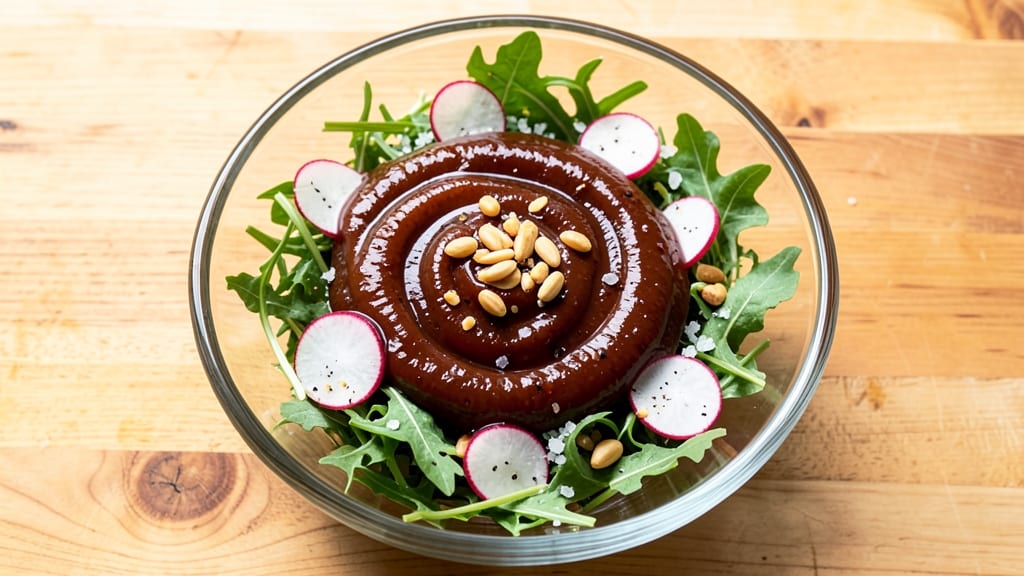
This balsamic reduction salad dressing transforms simple greens into a gourmet experience with its deep, glossy glaze that clings beautifully to every leaf. The secret lies in reducing balsamic vinegar to a syrupy consistency, creating a complex balance of sweet, tangy, and umami flavors that elevate any salad.
Unlike store-bought dressings, this version develops rich caramel notes through slow reduction, adding depth that takes your dishes from ordinary to extraordinary.
The process is straightforward yet precise—simmering balsamic vinegar with a touch of sugar until it thickens into a glossy reduction, then whisking it with olive oil to create a stable emulsion. This method ensures the dressing remains vibrant and flavorful for days, making it perfect for meal prep.
The reduction's intensity means you only need a small amount to transform salads, roasted vegetables, or even grilled meats into restaurant-worthy dishes.
What sets this dressing apart is its versatility—drizzle it over arugula with shaved parmesan for a quick gourmet salad, use it as a marinade for chicken or steak, or toss it with roasted Brussels sprouts for a sweet-savory finish.
The reduction's concentrated flavor means every drop counts, turning even simple ingredients into something special. Once you try this, store-bought dressings will never compare again.
Store the finished dressing in an airtight container in the refrigerator for up to two weeks, where its flavors will continue to deepen over time. For best results, let the reduction cool slightly before mixing with oil to prevent separation.
This dressing is your new secret weapon for adding restaurant-quality depth to any dish with minimal effort.
Ingredients for balsamic reduction salad dressing
Eight simple ingredients create this restaurant-worthy dressing that transforms salads instantly.
| Ingredient | Amount | Notes |
|---|---|---|
| Balsamic Vinegar 🍷 | 1 cup | High-quality aged balsamic |
| Granulated Sugar 🍚 | 2 tbsp | White sugar preferred |
| Extra-Virgin Olive Oil 🫒 | ½ cup | Light, fruity variety |
| Dijon Mustard 🥬 | 1 tsp | Mellow for balance |
| Salt 🧂 | ¼ tsp | Fine sea salt |
| Black Pepper 🌶️ | ⅛ tsp | Freshly ground |
| Garlic Cloves 🧄 | 1 clove | Minced for depth |
| Fresh Thyme Leaves 🌿 | 2 tsp | Chopped, optional |
The balsamic vinegar is the star—aged balsamic from Trader Joe's or Whole Foods gives the deepest flavor. Look for bottles labeled 'aceto balsamico tradizionale' for that authentic, syrupy richness. Sugar isn't just for sweetness; it helps the reduction thicken properly. White sugar dissolves faster than brown, so if you're in a hurry, grab the granulated kind. The olive oil should be light and fruity—California extra-virgin brands like Corto or Pompeian are my go-tos. Fresh thyme and garlic are optional but add layers of complexity worth the extra minute.
No aged balsamic? Regular balsamic vinegar plus 1 extra tbsp sugar works in a pinch, but it won't have the same depth. Swap Dijon mustard for whole-grain mustard if that's what you've got, though the flavor will be slightly different. Running low on thyme? Dried thyme at half the amount gets you close. The garlic is non-negotiable for flavor, but if you're sensitive to its bite, reduce to half a clove. For a smoother dressing, strain out the thyme leaves after mixing—though I always leave mine in for texture. This reduction keeps getting better as it sits, so make extra if you can.
Store the finished dressing in a small glass jar with a tight seal—it keeps for 2 weeks in the fridge, with flavors deepening over time. For best results, let the reduction cool completely before whisking in the oil to prevent separation. The dressing thickens as it chills, so give it a quick stir before each use. Freezes beautifully for up to 3 months if you make a big batch—just thaw in the fridge overnight. A little goes a long way, so start with 1 tsp and adjust to taste.
Why You'll Love This Recipe
- Five-Ingredient Magic: I swear by this—just vinegar, sugar, oil, mustard, and salt. That’s it. No fancy gadgets, no measuring cups that make you question your life choices. Simmer it down, let the balsamic caramelize, and boom—flavor in a jar.
- Sweet-Tangy Obsession: The sugar and vinegar marry into this deep, glossy reduction that’s almost dessert-like. Add a swirl of Dijon mustard, and it’s got that little kick that makes every bite feel intentional. Honestly, I’ve drizzled this on eggs, toast, and even pizza crusts—it’s that good.
- Pantry Staple Power: Between us, this dressing lasts forever in my fridge. Make a big batch, and suddenly you’ve got a go-to for summer salads, charcuterie boards, or even a quick marinade for grilled chicken. I’ll be real: I’ve had it last three weeks, and it still tastes like day one.
- Budget-Friendly Luxury: Good olive oil and aged balsamic? Yes. But this recipe won’t break the bank. A little sugar balances the acid, and that Dijon mustard? It’s the secret weapon that makes it taste like you slaved over it. My wallet and taste buds both win.
Step-by-step instructions for balsamic reduction salad dressing
This rich, glossy dressing transforms simple salads into gourmet masterpieces.
Combine Vinegar, Sugar, and Mustard
In a small saucepan, combine the 1 cup balsamic vinegar, 2 tbsp granulated sugar, and 1 tsp Dijon mustard. Stir well to dissolve the sugar completely—this prevents graininess in your final reduction. Place the saucepan over medium-high heat and bring to a gentle simmer.
Watch carefully as the mixture bubbles—you want it to reduce by about half before adding other ingredients. The sugar will caramelize slightly, deepening the flavor. I like to stir occasionally to prevent sticking, but not constantly—this helps create a smoother reduction later.
Simmer Until Thickened
Continue simmering for 15-20 minutes, stirring every 3-4 minutes, until the mixture reduces to about ¼ cup and becomes syrupy. You'll notice the aroma intensify—this is when the balsamic develops its signature depth. The mixture should coat the back of a spoon when you lift it.
If it reduces too quickly, lower the heat slightly to maintain control. The goal is a glossy, thick consistency that will coat your salad perfectly. Here's where patience pays off—rushing this step leads to a thin, vinegary dressing instead of a rich glaze.
Add Garlic, Thyme, and Seasonings
Remove the pan from heat and let it cool for 2 minutes. Then stir in the minced garlic clove, 2 tsp fresh thyme leaves, 0.25 tsp salt, and 0.125 tsp black pepper. The garlic should be minced finely—this prevents it from being noticeable as individual pieces in the dressing.
Let the mixture steep for 5 minutes to allow the flavors to meld. This resting period is crucial—it lets the garlic and thyme infuse the reduction without overpowering it. The thyme adds an earthy note that balances the sweetness and acidity.
Slowly Incorporate Olive Oil
With the pan still off the heat, very slowly drizzle in the 0.5 cup extra-virgin olive oil while whisking constantly. This gradual addition prevents the oil from separating and creates an emulsified dressing. Start with a slow drizzle, then gradually increase speed as you whisk.
The mixture should thicken slightly as the oil incorporates. If it looks too thin, let it sit for 1 minute—the heat from the reduction will help it emulsify further. The final texture should be glossy and coat the back of a spoon without being too thick.
Cool and Adjust Consistency
Transfer the dressing to a bowl and let it cool to room temperature. Taste and adjust seasoning if needed—you might want to add a pinch more salt or a splash of balsamic vinegar for balance. The dressing will thicken slightly as it cools, so don't worry if it looks perfect immediately.
For best results, let it sit for at least 1 hour before using. This allows all the flavors to fully develop. Store any leftovers in an airtight container in the refrigerator for up to 2 weeks. The dressing keeps well and actually improves with age as the flavors deepen.
Pro Tips For Making Balsamic Reduction Salad Dressing
- Simmer Slow and Steady: I learned this the hard way—rushing the reduction on high heat turns your balsamic into a bitter, syrupy mess. Keep it at a gentle simmer (tiny bubbles, not rolling) and stir every 30 seconds to prevent scorching. The first 5 minutes are the most critical—don’t walk away.
- Use Real Balsamic Vinegar: That cheap "balsamic glaze" in the salad dressing aisle? Skip it. For this dressing, you need aged balsamic vinegar (look for "traditional" or "aceto balsamico di Modena" on the label). It’s pricier, but it actually tastes like balsamic—rich, complex, and worth the effort. No shortcut here.
- Balance the Mustard First: Taste your mustard before adding it to the reduction. If it’s too sharp, mix it with a splash of warm water or a pinch of sugar to mellow it out. I used to just dump it in and wonder why the dressing tasted harsh—now I adjust it before it hits the pan.
- Finish with a Swirl of Oil: After reducing the vinegar and sugar, let it cool slightly before whisking in the olive oil. Pour it in a slow, steady stream while stirring constantly—this emulsifies the dressing right away. No need to chase a broken dressing later. (And yes, even if you’re impatient like me.)
Pro cooking tips for great balsamic reduction salad dressing
Heat Control Secrets
Start with medium-high heat to kick off the reduction, but watch closely—once the mixture reaches a steady simmer, reduce to medium-low to prevent burning. I’ve seen many people rush this step and end up with a bitter, overly concentrated reduction.
The sugar needs time to caramelize gently, developing those rich, complex flavors. If your pan is too hot, the balsamic can turn dark too quickly, losing its balance of sweet and tangy notes. 🌡️
Use a small saucepan—it’s easier to control the heat and reduce the liquid evenly. A larger pan spreads the heat too thin, causing uneven cooking. I prefer stainless steel or enameled cast iron because they distribute heat more consistently than nonstick.
If your pan has hot spots, stir more frequently to prevent scorching. The goal is a glossy, syrupy consistency that coats the back of a spoon.
Stirring Technique Matters
Stir every 3-4 minutes during reduction to prevent sticking and ensure even cooking. This isn’t just about preventing burnt bits—it helps the sugar dissolve completely and encourages a smoother texture. I like to use a heat-resistant silicone spatula because it’s gentle on the pan and gives me better control.
If you see the mixture starting to stick, add a splash of water or vinegar to deglaze, then continue reducing.
When the mixture thickens to about ¼ cup, it’s ready for the next step. The reduction should be syrupy but still pourable—if it’s too thick, add a few drops of water to loosen it slightly.
Over-reducing can make the dressing too intense, so trust your instincts. The aroma will tell you when it’s done—it should smell deeply caramelized with a hint of vinegar.
Emulsification Tricks
Whisking in the olive oil is where many people mess up—drizzle slowly while whisking constantly to create a stable emulsion. Start with a slow stream of oil, then gradually increase speed as the mixture thickens.
If the oil separates, don’t panic—just whisk vigorously for another 30 seconds to re-emulsify. The key is patience; rushing this step leads to a broken dressing.
For extra insurance, I sometimes add ½ tsp xanthan gum to the reduction before whisking in the oil. This thickens the mixture slightly, helping it hold together better, especially if you plan to store it for a few days.
If you’re avoiding additives, just whisk more vigorously and let the dressing rest for 10 minutes before using—this gives the flavors time to meld and the emulsion to stabilize.
Flavor Boosting Hacks
For a deeper umami kick, add ½ tsp soy sauce or 1 tsp balsamic glaze to the reduction before simmering. These ingredients add complexity without overpowering the balsamic’s natural sweetness.
I also like to infuse the olive oil with garlic or shallots before adding it—simmer 2 minced garlic cloves in the oil over low heat for 2 minutes, then strain before whisking into the reduction. This adds a subtle, aromatic depth that elevates the dressing.
If you love herbs, try steeping 1 sprig of fresh rosemary or ½ tsp dried oregano in the hot reduction for 5 minutes before adding the oil. The herbs infuse the syrup with their earthy notes, creating a dressing that’s even more dynamic. Just
Nutrition facts
Frequently asked questions
Can I make this dressing without sugar?
You can substitute sugar with 1 tbsp honey or maple syrup for a natural sweetener, but sugar is essential for proper reduction and texture. Without it, the dressing may stay too thin or develop an overly sharp vinegar taste. If you're avoiding sugar, try adding ½ tsp vanilla extract to enhance sweetness naturally.
Why did my dressing separate?
Separation usually happens when oil is added too quickly or the mixture isn't whisked enough. To fix it, whisk vigorously for 1-2 minutes or add 1 tsp warm water to help re-emulsify. For prevention, always drizzle oil slowly while whisking constantly and let the dressing rest for 10 minutes before using.
How can I use this beyond salads?
This versatile reduction works beautifully as a marinade for chicken or steak, a glaze for roasted vegetables, or a drizzle over grilled fish. Try brushing it on baked sweet potatoes or tossing it with warm lentils for a sweet-savory twist. The concentrated flavor means you only need 1-2 teaspoons for these applications.
Can I make it in advance?
Yes! This dressing actually improves with time. Make it 1-2 days ahead and store in an airtight container in the fridge. The flavors deepen and mellow, making it even more complex. For long-term storage, freeze for up to 3 months—thaw overnight in the fridge before using.
What if I don't have Dijon mustard?
Use whole-grain mustard at the same amount for a slightly different texture, or omit it entirely—just add ½ tsp lemon juice to balance the sweetness. The mustard helps emulsify the dressing, so if you skip it, whisk extra vigorously when adding the oil to prevent separation.