
Salads
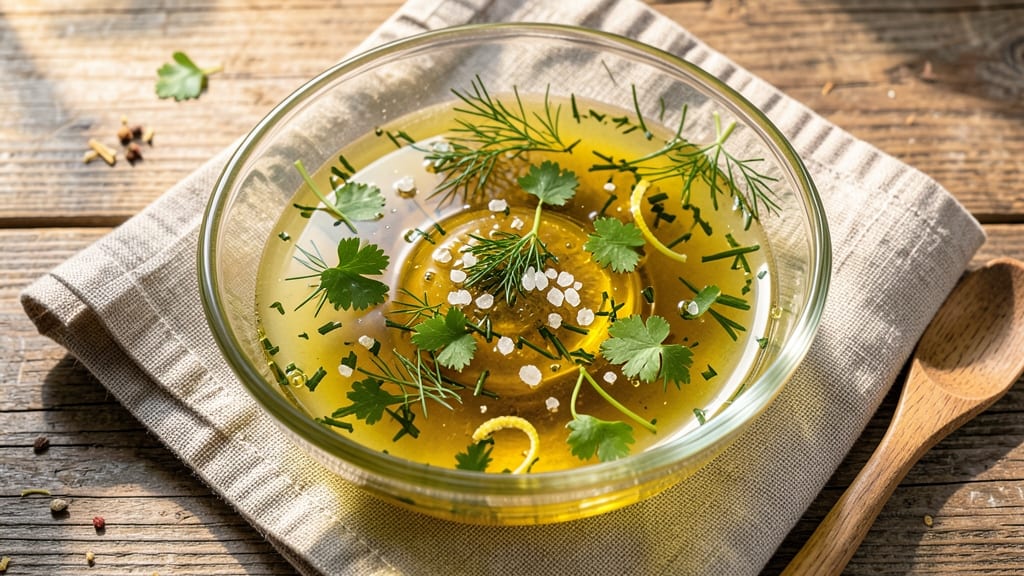
A bright lemon-herb basic pasta salad dressing recipe transforms basic pasta salad into a restaurant-worthy dish without any mayo. This simple dressing relies on just five ingredients to create a tangy, herbaceous sauce that clings perfectly to every noodle and vegetable.
The secret lies in properly emulsifying the oil and vinegar for a smooth, drizzable consistency that won't separate.
What makes this dressing special is its effortless balance of acidity and freshness—zesty lemon juice cuts through rich ingredients while fresh herbs add bright, aromatic depth. Unlike creamy dressings that can weigh down salads, this light vinaigrette enhances rather than overpowers the flavors.
It's also completely customizable; swap herbs or adjust seasoning to match your favorite pasta salad ingredients.
The result is a dressing that's equally effective for warm or chilled pasta salads, with a shelf life of up to five days when stored properly. The emulsion stays stable, so you can toss it with your salad just before serving without worrying about separation.
This is the kind of dressing that elevates simple ingredients into something truly special—no fancy techniques required.
Perfect for meal prep or last-minute gatherings, this dressing comes together in minutes and makes enough for multiple servings. The bright flavors will have everyone asking for the recipe, and the clean, herb-forward taste pairs beautifully with everything from classic macaroni salad to Mediterranean-inspired pasta bowls. Let's make it together.
Ingredients for basic pasta salad dressing
Five ingredients elevate simple pasta salad into a restaurant-quality dish with vibrant acidity and herbal brightness.
| Ingredient | Amount | Notes |
|---|---|---|
| Extra-Virgin Olive Oil 🫒 | ¾ cup | High-quality, fruity variety preferred |
| Fresh Lemon Juice 🍋 | ⅓ cup | Freshly squeezed, strained |
| White Wine Vinegar 🍷 | ⅓ cup | Dry, crisp variety |
| Fresh Dill Weeds 🌿 | ¼ cup | Finely chopped, stems removed |
| Fresh Flat-Leaf Parsley 🌿 | ¼ cup | Finely chopped, stems removed |
| Diamond Crystal Kosher Salt 🧂 | 1 tsp | Adjust to taste |
| Freshly Ground Black Pepper 🌶️ | ½ tsp | Coarsely ground |
| Garlic Cloves 🧄 | 2 cloves | Minced, for depth of flavor |
| Honey 🍯 | 1 tbsp | Optional, for subtle sweetness |
The olive oil and vinegar form the dressing's base, so quality matters here. Extra-virgin olive oil with noticeable fruity notes and a peppery finish works best—avoid the mild supermarket brands. White wine vinegar adds complexity, but rice vinegar in a pinch works too. Fresh herbs are non-negotiable: the dill provides bright, citrusy notes while parsley adds freshness. I always buy organic herbs from the grocery store's produce section—they hold up better than the pre-packaged ones. For garlic, freshly minced cloves release more flavor than pre-minced, which oxidizes quickly.
No dill? Fresh tarragon or chives add similar brightness, though the flavor profile shifts slightly. Running short on parsley? Fresh cilantro or basil work in a pinch, but reduce to half the amount. Substituting vinegar? Apple cider vinegar adds subtle sweetness, while balsamic creates a richer, slightly sweeter dressing. The honey is optional but recommended—it rounds out the acidity beautifully. If you omit it, increase the salt slightly to balance the tang. For a more robust flavor, toast the garlic cloves in olive oil for 30 seconds before mincing.
This dressing emulsifies perfectly and stays stable for 5-7 days in an airtight container in the fridge. For longer storage, transfer to a sterile glass jar and keep for up to 1 month. The emulsion holds well even after refrigeration, so no need to shake before use. If separation occurs, simply whisk vigorously to re-emulsify. The dressing pairs beautifully with warm or chilled pasta salads, and its clean flavor profile makes it ideal for Mediterranean-inspired dishes or lighter summer meals.
Why You'll Love This Recipe
- No-Chop Needed: I swear by this—just snip the herbs with scissors, no knife required. Three minutes of prep, and you’ve got a dressing that actually tastes fresh, not sad.
- Bright & Tangy: That lemon cuts through everything—no cloying sweetness, just zingy brightness. The dill and parsley add a herbal punch that makes it feel fancy, even if you’re throwing it on store-bought noodles.
- Meal Prep MVP: Make a batch Sunday, and it’s ready for picnics, potlucks, or that last-minute BBQ. Honestly, I’ve had it on cold pasta, grilled chicken, even as a quick salad dressing—it’s that adaptable.
- Pantry Goldmine: Uses stuff you already own—olive oil, vinegar, citrus—and stretches for weeks. Between us, this is how I avoid food waste: toss in whatever veggies are wilting, and suddenly they’re purposeful.
Step-by-step instructions for bright lemon-herb vinaigrette
This dressing delivers vibrant flavor with minimal effort—no mayo, no fuss, just pure herbaceous brightness.
Whisk Together the Acid Base
In a medium bowl, combine the 0.33 cup fresh lemon juice and 0.33 cup white wine vinegar. The acid balance is critical here—this ratio creates the perfect tang without overpowering. I like to use a whisk for this step because it helps emulsify the ingredients slightly right from the start, preventing separation later.
Add the 1 tablespoon honey now if you're using it. Stir gently to dissolve completely. The honey will mellow the acidity just enough to create a well-rounded dressing. Taste the mixture at this stage—it should be bright and sharp, with no sweetness lingering. If it's too acidic for your palate, add a pinch more honey later.
Incorporate Aromatics and Seasonings
Add the 2 minced garlic cloves, 1 teaspoon kosher salt, and 0.5 teaspoon black pepper to the acid mixture. The garlic should be finely minced—no chunks—to distribute flavor evenly. Whisk vigorously for 30 seconds to fully incorporate these ingredients. You'll notice the mixture darken slightly as the garlic releases its oils.
Now add the 0.25 cup finely chopped fresh dill weeds and 0.25 cup finely chopped fresh flat-leaf parsley. These herbs should be cut uniformly—about ¼-inch pieces—so they distribute evenly throughout the dressing. Use a fork to gently fold them in, breaking up any large clumps. The herbs will release their aromatic oils as they sit, enhancing the flavor over time.
Slowly Emulsify the Olive Oil
With the whisk still in the bowl, begin adding the 0.75 cup extra-virgin olive oil in a slow, steady stream. This gradual approach is key to creating a stable emulsion. Start with just a few tablespoons at a time, whisking continuously until the mixture begins to thicken slightly. The goal is to create tiny oil droplets suspended in the liquid, not a separated vinaigrette.
Continue whisking for 1-2 minutes after all the oil is incorporated. The dressing should now have a smooth, creamy consistency with no visible oil separation. If you notice the mixture starting to separate, simply whisk it again vigorously for 10-15 seconds. The high-quality olive oil we're using has a natural emulsifying quality that helps maintain stability.
Rest and Adjust for Perfection
Cover the bowl with plastic wrap and let the dressing rest at room temperature for at least 10 minutes. This resting period allows the flavors to meld and the emulsion to fully stabilize. I find that the dressing tastes even better after this brief rest—more balanced and cohesive.
Before using, give the dressing a final taste and adjust the seasoning if needed. You might need a touch more salt, a splash of lemon juice, or even a drizzle of olive oil to reach your ideal consistency. The dressing should coat the back of a spoon without being overly thick. If it's too thick, thin it with 1-2 teaspoons of water or additional lemon juice.
Pro Tips For Making Basic Pasta Salad Dressing
- STRAIN THE HERBS: Chop your dill and parsley fine—like confetti—and press them through a strainer lined with cheesecloth into the dressing. This keeps the texture silky smooth instead of clumpy, and you’ll actually taste the herbs, not chew them. (Yes, it’s extra work, but your salad will thank you.)
- MEASURE THE OIL COLD: Pour your extra-virgin olive oil straight from the fridge into the bowl—cold oil emulsifies better with the acid. I used to add it at room temp, and the dressing would always split. Trust me, the 5-minute wait makes a real difference.
- TAMP THE VINEGAR: After adding the white wine vinegar, press the back of a spoon against the bottom of the bowl to break up any surface tension. This helps the oil and vinegar blend faster, so you’re not shaking for 10 minutes like a maniac. (I’ve been there.)
- LEMON JUICE FIRST: Add the lemon juice before the herbs and vinegar, then stir it into the oil in a slow, figure-eight motion. The acid cuts the oil’s richness instantly, and the herbs stay vibrant longer. Skip this order, and you’ll end up with a dressing that tastes flat or overly sharp.
Dietary considerations for this basic pasta salad dressing
Gluten-Free Adaptation
This dressing is naturally gluten-free—no flour, grains, or thickeners that might contain gluten. The base ingredients (olive oil, vinegar, lemon juice, and herbs) are all gluten-free by default. Just ensure your kosher salt and honey are certified gluten-free if you're highly sensitive.
I always double-check labels on honey since some brands process it in facilities with gluten-containing products. 🌾
Dairy-Free & Vegan
The recipe is already dairy-free and vegan-friendly, making it perfect for plant-based diets. No butter, cream, or animal-derived ingredients are used. The dressing’s bright acidity and herbal notes shine even more without dairy interference.
For extra richness, you could add 1 tablespoon of tahini (sesame paste) to the oil before emulsifying—it adds a nutty depth that pairs beautifully with pasta salads. 🌱
Low-Carb & Keto
This dressing fits seamlessly into low-carb and keto diets because it contains no added sugars (unless you include honey) and minimal carbohydrates. The 0.75 cup olive oil provides healthy fats, while the vinegar and lemon juice add acidity without carbs.
For a keto-friendly twist, skip the honey entirely and increase the salt slightly to balance the tang. The herbs and garlic contribute negligible carbs, making this a guilt-free dressing for carb-conscious eaters. 🥗
Allergen-Friendly Swaps
If you have herb allergies, swap the dill and parsley for fresh basil or chives, which are less likely to cause reactions. For a nut-free option, avoid tahini (if adding) and stick to the original ingredients.
The dressing is also egg-free and soy-free, so it works for most common dietary restrictions. Always check individual ingredient labels, especially for vinegar (some brands use soy-based processing aids). 💛
Sweetness Adjustments
For those avoiding added sugars, simply omit the 1 tablespoon honey and increase the salt by ¼ teaspoon to compensate for the lost sweetness.
If you prefer a touch of natural sweetness, try 1 teaspoon of maple syrup instead—it’s still lower in sugar than honey and adds a subtle caramel note. The dressing remains balanced without compromising its bright, tangy profile. 🍯
Nutrition facts
Frequently asked questions
Can I make this dressing without fresh herbs?
Yes! If you don't have fresh dill or parsley, try 1 tablespoon each of dried dill and dried parsley (measure by volume, not weight). For extra flavor, add ½ teaspoon dried oregano or ½ teaspoon dried basil. The dressing will still taste great, though the texture will be slightly less vibrant. Fresh herbs are ideal, but dried works in a pinch.
Why did my dressing separate?
Separation usually happens when oil and vinegar aren't properly emulsified. To fix it, whisk vigorously for 30 seconds or use a fork to break up any oil pools. For future batches, add the oil even more slowly while whisking continuously. A splash of 1 teaspoon of mustard (like Dijon) can also help stabilize the emulsion. The dressing will re-emulsify perfectly!
How much dressing should I use for a standard pasta salad?
Start with ¼ to ⅓ cup of dressing per 2 cups of cooked pasta and vegetables. Taste first—you can always add more! For a lighter salad, use ¼ cup per 2 cups of mix. The dressing clings well to pasta, so don't be afraid to adjust to your preference. Store leftovers in an airtight container for up to 5 days.
Can I use this dressing on other dishes besides pasta salad?
This versatile dressing works beautifully on grilled vegetables, grain bowls, or even as a marinade for chicken or fish. For grilled meats, reduce the lemon juice to ¼ cup and add 1 teaspoon of smoked paprika for depth. The bright flavors also pair well with roasted potatoes or fresh salads. Get creative!
What's the best way to store leftover dressing?
Transfer to an airtight container and refrigerate for up to 5-7 days. The emulsion stays stable, so no need to shake before use. For longer storage, freeze in ice cube trays—thaw overnight in the fridge and whisk to recombine. Label with the date to track freshness. The dressing keeps its vibrant flavor when stored properly!