
Salads
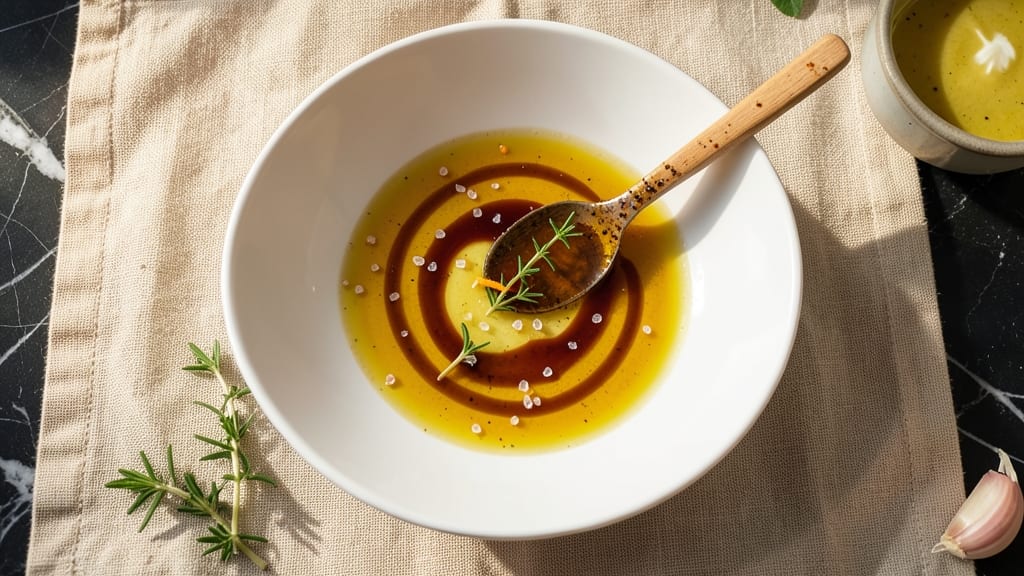
A basic salad vinaigrette recipe transforms simple greens into a vibrant, flavorful dish in minutes. This bright, balanced dressing combines oil and vinegar with just a touch of acid—like lemon juice or Dijon mustard—to create a tangy, versatile sauce that elevates any salad.
The key lies in the ratio: equal parts oil and vinegar, with acid and seasonings to taste, ensuring every bite is perfectly balanced without overpowering the ingredients.
What makes this recipe stand out is its simplicity and adaptability. With just five ingredients—olive oil, red wine vinegar, lemon juice, Dijon mustard, and salt—you can customize it to suit your taste.
The method is foolproof: whisk together the ingredients until emulsified, and you’re ready to drizzle. No special tools or techniques are required, making it ideal for both beginners and seasoned cooks.
The result is a dressing that’s bright, tangy, and rich, with a smooth texture that clings beautifully to greens, proteins, or grains. It’s perfect for everything from crisp arugula salads to hearty grain bowls, and it keeps well in the fridge for up to a week.
Whether you’re prepping for a week of lunches or adding flair to a last-minute dinner, this vinaigrette delivers restaurant-quality flavor with minimal effort.
Use it as a base for endless variations—add fresh herbs, garlic, or a dash of honey for extra depth. The possibilities are endless, but the foundation remains the same: a simple, foolproof dressing that turns ordinary salads into extraordinary meals. Let’s get started!
Ingredients for basic salad vinaigrette
Five essential ingredients create this vibrant, restaurant-quality vinaigrette in minutes.
| Ingredient | Amount | Notes |
|---|---|---|
| Extra-Virgin Olive Oil 🫒 | ½ cup | High-quality, fruity variety preferred |
| Red Wine Vinegar 🍷 | ½ cup | Dry, bold vinegar for best flavor |
| Fresh Lemon Juice 🍋 | 2 tbsp | Freshly squeezed for bright acidity |
| Dijon Mustard 🌶️ | 1 tbsp | Mild or strong according to preference |
| Diamond Crystal Kosher Salt 🧂 | ½ tsp | Fine grain for even dissolving |
| Garlic Cloves 🧄 | 1 whole | Minced for optional depth of flavor |
| Fresh Parsley 🌿 | ¼ cup | Chopped, for garnish and freshness |
The olive oil and vinegar form the foundation, so quality matters here. Trader Joe's or Whole Foods carry excellent extra-virgin olive oils with bright, fruity notes that elevate the dressing. For vinegar, Balsamic Creme or Rao's red wine vinegar add depth without overpowering. The Dijon mustard is non-negotiable—Maille or Amoy brands provide that signature tang. Fresh lemon juice should be squeezed just before mixing to preserve its bright acidity, as store-bought juice loses potency quickly. If you're using garlic, peel and mince it fresh—pre-minced garlic can taste bitter and overpower the delicate balance.
No Dijon mustard? Whole-grain mustard thinned with a splash of water works in a pinch, though the flavor will be slightly milder. Running out of red wine vinegar? Apple cider vinegar or white wine vinegar both work, though they alter the flavor profile slightly. For a sweeter touch, a teaspoon of honey can be added, but omit it if you prefer a sharper tang. The salt should be Diamond Crystal kosher—it dissolves more easily than table salt and enhances flavor without graininess. Fresh herbs like parsley or basil can be added for garnish, but they're optional for this classic base recipe.
This vinaigrette keeps beautifully in the fridge for up to 1 week when stored in an airtight container. For longer storage, transfer to a sterilized glass jar and seal tightly. Shake well before each use, as the oil and vinegar will naturally separate. For meal prep, divide into small containers—perfect for individual salads or lunches. If the dressing thickens over time, simply whisk in a splash of water or vinegar to restore its smooth consistency.
Why You'll Love This Recipe
- No Fuss, No Fail: I swear by this combo—just whisk together olive oil, vinegar, lemon, and mustard. No fancy tools, no second-guessing. The mustard’s tang cuts through the richness, and the salt ties everything together like magic.
- Brightens Everything: That lemon juice? It’s the MVP. The acidity wakes up greens, balances grilled meats, and even makes bland roasted veggies sing. Honestly, I keep a jar of this in the fridge for emergencies—like when I forget to season my chicken.
- Your Pantry’s Secret Weapon: This keeps for weeks, so I make a big batch and use it on salads, drizzle it over pasta, or toss it with roasted potatoes. Between us, it’s the reason my grocery bill stays low—I’m not buying dressings anymore.
- Four Ingredients, Endless Uses: Weeknight dinner? Check. Potluck side? Done. Even my picky teenage cousin asks for seconds. The beauty is in its simplicity—no one’s turning this down, and it’s always a hit.
Step-by-step instructions for crafting the perfect salad vinaigrette
This bright, balanced dressing comes together in minutes with simple technique.
Whisk Vinegar and Lemon Juice to Create the Acid Base
In a medium bowl, combine the 0.5 cup red wine vinegar and 2 tablespoons fresh lemon juice. I like to use a small whisk for this step—it gives you better control over the emulsification process. The acidity from these ingredients will form the foundation of your dressing, cutting through rich ingredients like creamy avocados or fatty cheeses.
Whisk vigorously for about 30 seconds until fully blended. You should see tiny bubbles forming on the surface—this indicates the acids are properly integrated. The lemon juice adds a bright, citrusy note that prevents the dressing from tasting overly sharp or vinegary. If you're using a particularly strong vinegar, you might want to adjust the lemon ratio slightly, but this balance works perfectly for most dry red wine vinegars.
Incorporate Mustard for Emulsification
Add the 1 tablespoon Dijon mustard to the vinegar-lemon mixture. The mustard acts as an emulsifier, helping to bind the oil and acid components later. Whisk continuously for another 30 seconds until the mustard is completely dissolved and no streaks remain.
This is where the magic happens—Dijon mustard contains natural emulsifiers that prevent the oil from separating. If you skip this step, your dressing might curdle or split later. I always use Dijon rather than regular mustard because its finer texture blends more smoothly and adds subtle depth of flavor without overpowering the delicate balance of the dressing.
Gradually Add Olive Oil for a Silky Texture
With the whisk still moving, very slowly drizzle in the 0.5 cup extra-virgin olive oil. This gradual addition is crucial—adding oil too quickly causes the dressing to separate. Start with just a few drops, whisking constantly until fully incorporated before adding more. You'll see the mixture transform from a thin liquid to a thick, creamy emulsion.
Continue this process until all the oil is incorporated. The dressing should now have a glossy, velvety appearance with a smooth, pourable consistency. If you're unsure whether it's properly emulsified, give it a quick taste—it should coat your tongue evenly without any oily or watery separation. This technique ensures your dressing stays cohesive for hours, even when stored in the refrigerator.
Season and Finish with Garlic and Salt
Add the minced garlic clove and 0.5 teaspoon Diamond Crystal kosher salt to the emulsified dressing. The garlic adds subtle depth while the salt enhances all the flavors. Whisk gently for another 10 seconds to distribute these ingredients evenly. I like to press the garlic through a fine-mesh strainer if I want to avoid any bits, but leaving it minced adds beautiful texture to the dressing.
Taste and adjust the seasoning if needed. You might need a touch more salt if you're using particularly tart vinegar, or a bit more lemon juice if the dressing tastes too sharp. The goal is to achieve a perfect balance between the bright acidity, rich oil, and subtle garlic flavor. This dressing should taste vibrant and well-rounded, not one-note.
Garnish and Store for Freshness
Stir in the 0.25 cup chopped fresh parsley just before serving. The parsley adds freshness and visual appeal, making your dressing look as good as it tastes. I like to use flat-leaf parsley because its delicate leaves hold up better in dressings than curly parsley. Give the dressing one final whisk to distribute the parsley evenly.
For immediate use, your vinaigrette is ready to drizzle over salads, grain bowls, or roasted vegetables. If storing, transfer to an airtight container and refrigerate for up to 5 days. Before using, give it a good shake—the ingredients might separate slightly during storage, but a quick whisk will restore its silky texture. This dressing improves as it sits, with flavors melding beautifully over time.
Pro Tips For Making Basic Salad Vinaigrette
- Start with Mustard First: Mix the Dijon into the vinegar and lemon juice before adding oil—this emulsifies the dressing right from the start, so you won’t end up with a sad, separated mess later. (I learned this after making three batches that looked like oil and vinegar had a falling-out.)
- Use Room-Temp Oil: Cold olive oil from the fridge will make your vinaigrette clump and taste dull—give that bottle an hour to sit out. If you’re in a rush, hold it under warm water for 10 minutes. Your taste buds (and your salad) will notice the difference.
- Measure Vinegar Precisely: Diamond Crystal kosher salt is less salty than table salt, so if your recipe calls for ½ teaspoon, double-check—too much salt upfront ruins the balance. Taste as you go; you can always add more oil, but you can’t take it out.
- Whisk Like You Mean It: Pour the oil in a slow, steady stream while whisking vigorously—this isn’t the time to half-ass it. If you’re lazy, use an immersion blender for 10 seconds instead. A proper emulsion means no greasy puddles at the bottom of your bowl.
Regional styles of this recipe
French Classic
In France, this vinaigrette is called vinaigrette classique, and it’s all about balance. The French version often uses white wine vinegar instead of red, paired with shallots instead of garlic for a more refined flavor.
I like to add 1 tsp minced shallots and 1 tbsp chopped tarragon for an authentic touch. This version works beautifully with buttery lettuces like romaine or frisée, and it’s the perfect match for classic French salads like salade niçoise. 🍷
Italian Rustic
Italy takes vinaigrettes in a different direction with balsamic vinegar and aged balsamic glaze for depth. For an Italian-style vinaigrette, replace the red wine vinegar with 2 tbsp balsamic vinegar and 3 tbsp extra-virgin olive oil, then add 1 tsp honey and 1 minced garlic clove.
Finish with fresh basil instead of parsley. This dressing shines on Caprese salads or with roasted tomatoes and mozzarella. 🌿
American South
The Southern U.S. loves a tangy, slightly sweet vinaigrette, often with a kick of heat. Try swapping red wine vinegar for apple cider vinegar and adding 1 tsp honey or maple syrup for sweetness.
A dash of hot sauce or crushed red pepper flakes adds the signature Southern heat. This version pairs perfectly with smoky grilled chicken salads or cornbread and collard greens. 🌶️
Mediterranean Herb
In Mediterranean cuisine, fresh herbs elevate vinaigrettes to new heights. For a Greek-inspired twist, add 1 tbsp chopped fresh oregano and 1 tsp dried oregano along with 1 minced garlic clove. Use lemon juice instead of vinegar for a brighter profile.
This dressing is ideal for Greek salads with cucumbers, olives, and feta. For a Turkish touch, swap in sumac instead of salt for a citrusy tang. 🌿
Asian-Inspired
For an Asian-inspired vinaigrette, replace red wine vinegar with rice vinegar and add 1 tsp sesame oil and 1 tsp soy sauce for umami depth. A pinch of grated ginger and 1 tsp honey balance the flavors beautifully.
This version works wonderfully with sesame-crusted chicken salads or cucumber and edamame bowls. Garnish with sesame seeds and thinly sliced scallions for extra texture. 🌱
Nutrition facts
Frequently asked questions
Can I make this vinaigrette without Dijon mustard?
Yes! If you don't have Dijon mustard, use 1 tablespoon whole-grain mustard thinned with 1 teaspoon water. For a smoother texture, blend 1 tablespoon mayonnaise with 1 teaspoon water as a substitute. The mustard acts as an emulsifier, so omitting it may cause slight separation over time. Whisk vigorously when using these alternatives to maintain consistency.
How do I fix a vinaigrette that separated after storing?
Simply whisk or shake the container vigorously for 30 seconds until smooth. If it still separates, add 1 teaspoon water or vinegar and whisk again. For stubborn separation, blend briefly with an immersion blender. The dressing will re-emulsify perfectly—just avoid adding too much liquid at once. This happens naturally due to oil and vinegar density differences.
What's the best way to store homemade vinaigrette?
Transfer to an airtight glass jar or container and refrigerate for up to 5 days. For longer storage, extend to 1 week by adding 1 extra teaspoon vinegar to preserve freshness. Always shake before use—the ingredients may separate slightly but will re-emulsify when whisked. Avoid metal containers as they can react with acidic ingredients over time.
Can I use this dressing on non-salad dishes?
This versatile vinaigrette works beautifully as a marinade for grilled chicken or fish (marinate for 15-30 minutes max). It also elevates roasted vegetables, grain bowls, or even as a dip for crudités. For marinades, reduce the oil to 3 tablespoons to prevent sogginess. The acidity tenderizes proteins while the oil adds moisture.
Why does my vinaigrette taste too sharp or vinegary?
This usually means you need more oil or sweetness to balance the acidity. Add 1 extra tablespoon olive oil and whisk well. For sweetness, stir in ½ teaspoon honey or maple syrup. If using strong vinegar, reduce the lemon juice by ½ teaspoon. Taste as you go—vinaigrettes should have bright acidity, not overpowering sharpness.