
Salads
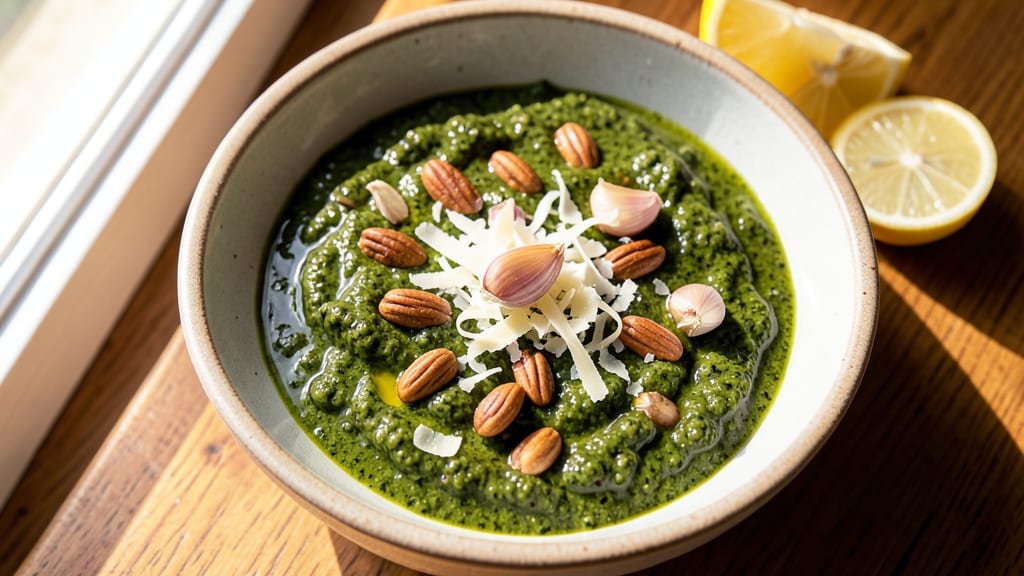
This basil pesto salad dressing recipe transforms fresh herbs into a vibrant, zesty sauce that elevates any salad in just 5 minutes.
The secret lies in blending bright basil, garlic, and toasted pine nuts with high-quality olive oil until perfectly emulsified—a process that creates a dressing with bold herbaceous notes and a velvety texture that clings beautifully to greens.
What sets this recipe apart is its versatility—use it as a base for classic Caesar salads, drizzle it over grain bowls, or toss it with roasted vegetables. The key ingredients (fresh basil, garlic, olive oil, and Parmesan) create a restaurant-quality flavor without requiring fancy equipment.
For a vegan twist, simply swap the Parmesan for nutritional yeast.
The dressing's creamy yet light consistency comes from proper emulsification, ensuring it doesn’t separate. Store it in an airtight container in the fridge for up to 5 days, or freeze for longer shelf life.
The bright, herby flavor brightens even the simplest salads, making it a pantry staple worth mastering.
Ready in minutes, this dressing is perfect for meal prep or last-minute lunches. Whether you're dressing a classic green salad or a hearty grain bowl, this basil pesto will add a fresh, herby zing that keeps your dishes feeling vibrant and full of flavor.
Ingredients for basil pesto salad dressing
Eight essential ingredients create a vibrant, restaurant-quality basil pesto dressing in minutes.
| Ingredient | Amount | Notes |
|---|---|---|
| Fresh Basil Leaves 🌿 | 2 ½ cups | Packed, stems removed for maximum flavor |
| Toasted Pine Nuts 🥜 | ½ cup | Lightly browned in dry pan for nuttiness |
| Garlic Cloves 🧄 | 4 whole | Peeled, roughly chopped for robust flavor |
| Extra-Virgin Olive Oil 🫒 | ¾ cup | High-quality, fruity variety preferred |
| Freshly Grated Parmesan Cheese 🧀 | ½ cup | Finely grated from a fresh wedge |
| Fresh Lemon Juice 🍋 | 2 tbsp | Bright, freshly squeezed for acidity |
| Diamond Crystal Kosher Salt 🧂 | ½ tsp | Fine grain for balanced seasoning |
| Freshly Ground Black Pepper 🌶️ | ¼ tsp | Coarsely ground for texture contrast |
The quality of your basil and olive oil makes all the difference. Fresh basil from a trusted farmers market—like Whole Foods or local organic stands—provides the most vibrant flavor, but grocery store basil works in a pinch if it's bright green and free from bruises. For the olive oil, California avocado or Italian extra-virgin brands like Bertolli or Colavita elevate the dressing's complexity. Toasting the pine nuts in a dry pan until golden adds depth, but skip this step if you're short on time—they'll still work. The Parmesan should be freshly grated from a wedge; pre-shredded varieties often contain anti-caking agents that prevent proper emulsification.
No pine nuts? Walnuts or raw cashews provide a similar texture and earthy note, though walnuts offer a slightly stronger flavor. Running out of fresh basil? Substitute with spinach or arugula at half the amount, though the flavor will differ. For a vegan version, replace the Parmesan with nutritional yeast at the same quantity, which adds a cheesy umami without dairy. The lemon juice can be swapped for white wine vinegar or apple cider vinegar if needed, though fresh lemon brightens the dressing significantly. If your pesto separates, simply re-emulsify by adding a splash more olive oil and blending again.
This dressing maintains its vibrant color and flavor for 5 days when stored in an airtight container in the refrigerator. To preserve freshness, press a thin layer of olive oil over the surface before sealing. For longer storage, freeze in ice cube trays—each cube makes a perfect single-serving portion. The dressing thickens slightly when chilled, so add a splash of water or lemon juice when ready to use. It pairs beautifully with mixed greens, grain bowls, or roasted vegetables, adding a fresh, herby zing to any dish.
Why You'll Love This Recipe
- No Pulse Required: I swear, this dressing takes five minutes—just toss basil, garlic, pine nuts, and olive oil in the food processor, hit pulse, then drizzle. No chopping, no stress, just freshness in a jar.
- Umami Bomb: That nutty Parmesan and toasted pine nuts? They turn your salad into a flavor party. The garlic hits just right—sharp but balanced—while the basil keeps it bright and alive.
- Potluck Hero: Bring this to a picnic, BBQ, or dinner party—it’s the one dish that everyone will ask for seconds of. Drizzle it over grilled chicken, pasta, or even roasted veggies, and suddenly you’re the host with the most.
- Leftovers That Last: Make a big batch—it keeps for days in the fridge (yes, even the pine nuts stay crisp). I’ve used it on day four with zero regret, and it’s still cheaper than buying pre-made dressing. Win-win.
Step-by-step instructions for basil pesto salad dressing
Transform vibrant herbs into velvety dressing with this precise, professional method.
Toast the Pine Nuts for Maximum Flavor
Place the 0.5 cup toasted pine nuts in a dry, heavy-bottomed skillet over medium-low heat. Toast them for 3-4 minutes, stirring constantly, until they turn a light golden brown and release their nutty aroma. Watch carefully—they'll darken quickly, so remove them immediately when they begin to smell fragrant and look toasted.
This toasting step is crucial—it enhances their natural oils and prevents the dressing from becoming bitter. Let the toasted pine nuts cool for 5 minutes before using, as their residual heat will help emulsify the dressing. If you're short on time, you can use store-bought toasted pine nuts, but freshly toasted delivers superior texture and flavor.
Pulse the Herb and Nut Base
In a food processor fitted with the metal blade, combine the 2.5 cups fresh basil leaves (packed), 4 whole garlic cloves (peeled and roughly chopped), and the toasted pine nuts. Pulse them together for 15-20 seconds until you achieve a finely chopped but not completely pureed texture—you should still see small flecks of basil and pine nuts. This texture creates the perfect balance between smoothness and visual appeal.
Stop immediately when the mixture resembles coarse sand. Over-processing releases bitter compounds from the basil and turns the dressing into a paste. The goal is to break down the ingredients enough to facilitate emulsification later without destroying their individual textures.
Gradually Incorporate the Olive Oil
With the food processor running on low speed, slowly drizzle in the 0.75 cup extra-virgin olive oil through the feed tube. This gradual addition is what creates the stable emulsion—adding oil too quickly will result in a greasy separation. Continue processing for 1-2 minutes until the mixture becomes thick and creamy, clinging to the sides of the bowl when you lift the blade.
I like to scrape down the sides with a silicone spatula every 30 seconds to ensure even incorporation. The dressing should now have a vibrant green color with visible herb flecks suspended throughout. If it looks too thick, we'll adjust it in the next step. The key here is patience—rushing this process leads to an unstable dressing that separates quickly.
Add Cheese, Lemon, and Seasonings
Transfer the herb-oil mixture to a medium bowl and stir in the 0.5 cup freshly grated parmesan cheese, 2 tbsp fresh lemon juice, 0.5 tsp diamond crystal kosher salt, and 0.25 tsp freshly ground black pepper. Mix thoroughly with a wooden spoon until fully combined. The lemon juice will brighten the flavors while preventing the dressing from becoming too heavy.
At this stage, the consistency should be thick but still pourable. If it's too thick for your preference, gradually whisk in 1-2 tablespoons of water until it reaches a smooth, creamy consistency that coats the back of a spoon. Conversely, if it's too thin, you can strain it through a fine-mesh sieve to remove excess liquid while preserving the vibrant color and texture.
Adjust and Store for Optimal Freshness
Taste the dressing and adjust the seasoning if needed. You might want to add a pinch more salt or a splash of additional lemon juice to balance the flavors. The dressing should have a perfect harmony of herby basil, nutty pine nuts, sharp parmesan, and bright citrus notes with a smooth, velvety texture.
Transfer the dressing to a clean glass jar and press a piece of plastic wrap directly onto the surface to prevent oxidation. Store in the refrigerator for up to 5 days. Before using, give it a good stir and thin with a splash of water or olive oil if needed. This dressing works beautifully on caprese salads, pasta dishes, or as a marinade for grilled vegetables.
Pro Tips For Making Basil Pesto Salad Dressing
- TOAST NUTS LOW: I learned this the hard way—blasting pine nuts on high turns them bitter faster than you can say "salad disaster." Keep the heat at medium-low, stir constantly, and pull them at the first sign of golden. Overcooked nuts ruin the whole dish.
- STACK BASIL TIGHTLY: Pack those basil leaves into the food processor in a single layer before pulsing. Loose leaves mean air gets trapped, and you’ll end up with a watery, uneven pesto. A tight stack guarantees a smoother, more concentrated texture every time.
- GRATE PARMESAN FRESH: Pre-shredded Parmesan is a crime in pesto—it dries out and loses flavor faster than a soggy sandwich. Grate your own over the bowl just before mixing, and use the fine holes. The cheese should melt into the oil like butter, not clump like sawdust.
- PULSE DON’T PUREE: Stop the food processor as soon as the basil is chopped, not blended. You want visible flecks of basil and garlic, not a green paste. Run it in short bursts, scraping down the sides if needed—this keeps the texture vibrant and the flavors balanced.
Creative variations of this basil pesto salad dressing
Sun-Dried Tomato Twist
Swap half the basil for ¼ cup finely chopped sun-dried tomatoes to add a sweet, umami depth that pairs beautifully with the herby notes. I like to oil-pack the tomatoes for 10 minutes before adding them to soften and intensify their flavor.
This variation works especially well with roasted vegetable salads or grilled meats like chicken or shrimp. 🌿
Spicy Chili-Lime Pesto
Add 1-2 tsp of chili powder and 1 tbsp of lime juice instead of lemon to create a bold, slightly spicy dressing. For extra heat, include ½ tsp of cayenne pepper or finely chopped jalapeños.
This version elevates Southwestern-style salads or tacos with a zesty kick. The lime juice also helps balance the richness of the nuts and cheese.
Vegan Nutritional Yeast Boost
Replace the Parmesan with ½ cup nutritional yeast for a cheesy, umami-rich flavor without dairy. This version is perfect for vegan diets and still delivers that creamy, savory texture. I also add 1 tbsp of white miso paste for extra depth.
Store it in an airtight container, and it keeps for 4-5 days in the fridge, making it ideal for meal prep.
Herb-Infused Olive Oil Base
For a lighter, oil-based dressing, blend the basil, garlic, and nuts with ½ cup of olive oil first, then thin it with ¼ cup of water or apple cider vinegar. This version is perfect for drizzling over grain bowls or raw vegetable platters.
It’s less thick than traditional pesto but still packed with flavor. The key is to blend it just until combined—don’t over-process.
Creamy Avocado Addition
Add ½ ripe avocado to the food processor with the basil and nuts for a naturally creamy texture without extra oil. This variation is rich and velvety, ideal for hearty salads or as a dip.
The avocado also adds healthy fats that help stabilize the dressing. For best results, use a ripe but firm avocado to avoid excess moisture. 🥑
Roasted Garlic Enhancement
Replace the raw garlic with 2 cloves of roasted garlic for a sweeter, deeper flavor. Roast the garlic in its skin at 400°F for 30 minutes, then squeeze out the flesh.
This version pairs beautifully with warm, hearty salads or as a topping for bruschetta. The roasted garlic adds a subtle sweetness that complements the bright basil and tangy lemon juice.
Nutrition facts
Frequently asked questions
Can I make this dressing without a food processor?
Yes! Use a mortar and pestle for a rustic approach. Crush the garlic first, then add toasted pine nuts and basil leaves. Gradually drizzle in olive oil while pressing with the pestle until smooth. For a quicker method, finely chop all ingredients by hand, then whisk vigorously with olive oil in a bowl. The texture will be slightly coarser but still delicious.
Why did my dressing separate? How do I fix it?
Separation happens when oil and water-based ingredients aren't properly emulsified. Stir in 1-2 tablespoons of warm water or a splash of lemon juice, then whisk vigorously. For stubborn separation, add a teaspoon of Dijon mustard or a pinch of xanthan gum (⅛ tsp) to stabilize it. Always store in an airtight container to prevent future separation.
How can I make this dressing spicier or sweeter?
For heat, add ½ tsp of red pepper flakes or 1-2 chopped jalapeños with the basil. For sweetness, stir in 1 tablespoon of honey or ½ teaspoon of maple syrup after blending. Balance any additions with extra lemon juice to maintain the dressing's bright acidity. Adjust to taste!
Can I use dried basil instead of fresh?
Fresh basil is ideal for vibrant flavor, but you can substitute with 1 tablespoon of dried basil (about 10% of the fresh amount). The texture will be less fresh, and the color will be duller. For best results, crush the dried basil between your palms to release its oils before adding to the food processor. The flavor will be more concentrated but lacks the bright, fresh notes of fresh basil.
What's the best way to store leftovers?
Transfer to a clean glass jar and press plastic wrap directly on the surface to prevent oxidation. Store in the fridge for up to 5 days. For longer storage, freeze in ice cube trays—each cube makes a perfect single serving. Thaw overnight in the fridge and stir in a splash of water or olive oil if needed to restore consistency.