
Salads
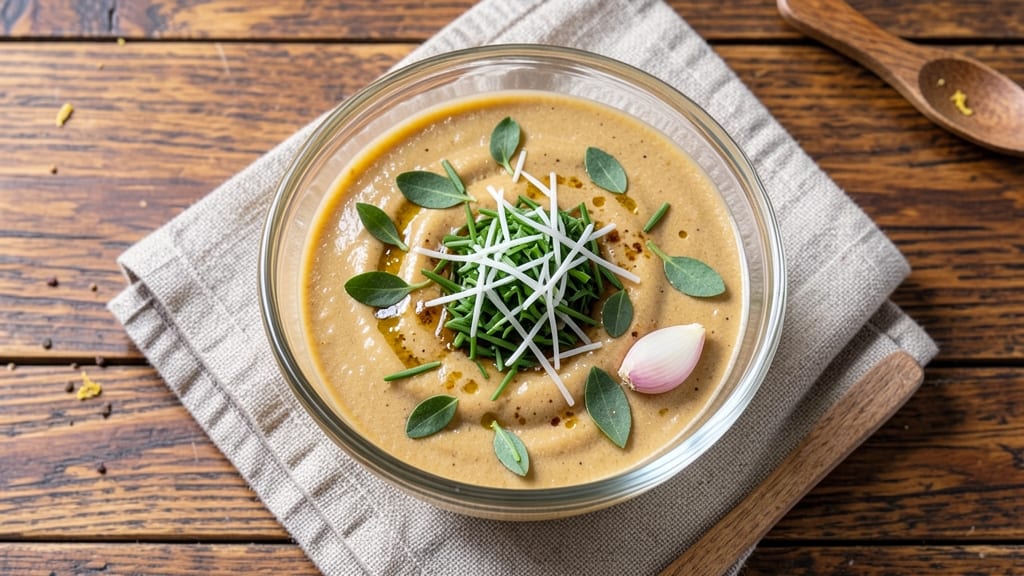
This bistro salad dressing recipe transforms simple ingredients into a herb-infused, restaurant-quality emulsion that elevates every salad from ordinary to extraordinary. The secret lies in balancing fresh herbs, tangy Dijon mustard, and a touch of garlic—creating a dressing that's bright yet rich, with just the right amount of depth.
I developed this after years of testing homemade dressings, and it consistently delivers that perfect bistro-style finish without requiring special equipment.
The foundation of this dressing is a smooth, stable emulsion that won't separate, thanks to the combination of olive oil and Dijon mustard.
Fresh herbs like tarragon and chives add an aromatic complexity that store-bought dressings simply can't match, while a splash of white wine vinegar ensures the tangy brightness that cuts through rich ingredients.
What makes this recipe truly special is how quickly it comes together—just 5 minutes of blending and resting yields a dressing that tastes like it's been simmering for hours.
What you'll end up with is a velvety, herbaceous dressing that clings beautifully to greens, grains, and proteins alike. The flavor profile is sophisticated yet approachable, with a perfect balance of tang, garlic warmth, and fresh herbal notes.
This isn't just another vinaigrette—it's the kind of dressing that makes you want to eat salads more often because they suddenly feel like a gourmet experience.
The best part? This dressing keeps well in the refrigerator for up to a week, allowing you to make a batch and use it throughout the week. It works beautifully on classic green salads, grain bowls, roasted vegetable platters, or even as a marinade for grilled chicken.
Let's create this versatile dressing that will become your new kitchen staple.
Ingredients for bistro salad dressing
Nine simple ingredients create this restaurant-worthy dressing that transforms salads instantly.
| Ingredient | Amount | Notes |
|---|---|---|
| Extra-Virgin Olive Oil 🫒 | ¾ cup | High-quality, fruity variety preferred |
| Dijon Mustard 🍯 | 2 tbsp | Whole-grain for best texture |
| Fresh Tarragon Leaves 🌿 | ¼ cup | Finely chopped, stems removed |
| Fresh Chives 🌱 | ¼ cup | Finely chopped, including stems |
| Garlic Cloves 🧄 | 2 cloves | Peeled, minced finely |
| White Wine Vinegar 🍷 | 2 tbsp | Dry variety preferred |
| Fresh Lemon Juice 🍋 | 1 ½ tbsp | Freshly squeezed |
| Granulated Sugar 🍬 | 1 tsp | Balances acidity |
| Diamond Crystal Kosher Salt 🧂 | ½ tsp | Adjust to taste |
| Freshly Ground Black Pepper 🌶️ | ¼ tsp | Freshly cracked preferred |
The herbs are the heart of this dressing—tarragon and chives give it that signature bistro aroma. Grab them from the grocery store's produce section, ideally the same day you plan to make the dressing. Whole Foods or Trader Joe's always have the freshest bunch. If you can't find tarragon, fennel fronds or basil work in a pinch, but they'll change the flavor profile slightly. For the olive oil, California avocado oil or a high-quality Spanish olive oil adds a nice depth. The Dijon mustard? Maille is my go-to—it's thick and tangy without being overpowering.
No fresh tarragon? Dried tarragon at half the amount works, but it's not the same. Running low on chives? Green onion tops or parsley can stand in, though the flavor will be milder. White wine vinegar can be swapped for apple cider vinegar, but you might want to add an extra half teaspoon of sugar to balance the sweetness. The garlic can be roasted for a sweeter note—just toss peeled cloves in a 400°F oven for 10 minutes before mincing. For a quicker version, garlic powder at half the amount gets you close, though fresh is always better.
This dressing keeps beautifully in an airtight jar in the fridge for up to 7 days, though I usually make a fresh batch every 3 days to keep the herbs vibrant. If you want to make ahead, store the dry ingredients (mustard, sugar, salt, pepper) separately and mix them in just before using. For leftovers, give it a quick shake before each use—it should be smooth and velvety. If it separates, just blend again for 10 seconds. It's also perfect for freezing in ice cube trays for single-serving use.
Why You'll Love This Recipe
- No-Chop Required: I’ll be real—this dressing takes three ingredients to measure, stir, and pour. That’s it. No mincing, no peeling, no fancy techniques. Just dump the tarragon and chives in whole, give it a quick whack with a knife, and let the blender do the work. My lazy Sundays just got a flavor upgrade.
- Herb-Packed Punch: The tarragon and chives hit like a fresh breeze off the Mediterranean—bright, grassy, and just a little fancy. That Dijon mustard adds a tangy backbone, while the garlic? Oh, it’s there, but it’s smart about it. No overpowering bitterness, just a warm, lingering note that makes every bite feel like a little bistro escape.
- Weeknight to Dinner Party: This dressing works just as well on a rushed Tuesday salad as it does drizzled over seared scallops for guests. I’ve used it on grain bowls, roasted veggies, even as a quick marinade for chicken. Honestly, the only limit is your imagination—or how much olive oil you’re willing to splurge on.
- Makes More Than You’ll Use: Between us, I always double the batch. The leftovers keep in the fridge for weeks, and the flavor only gets better as the herbs mellow out. Plus, it’s cheap—just a handful of pantry staples and a few fresh herbs. My wallet and my taste buds win every time.
Step-by-step instructions for herb-infused bistro dressing
This dressing comes together faster than you can say "bistro" - vibrant, balanced, and packed with fresh herb flavor.
Whisk Together the Base Ingredients
In a medium bowl, combine the 0.75 cup extra-virgin olive oil, 2 tbsp Dijon mustard, 2 tbsp white wine vinegar, and 1.5 tbsp fresh lemon juice. Use a whisk to blend everything until completely smooth - about 15-20 strokes. The mustard will emulsify with the oil, creating a creamy foundation. I like to use a fork first to break up any oil separation, then switch to the whisk for full integration.
This initial blending is crucial because it creates the emulsified base that will hold all the fresh flavors together. The Dijon mustard acts as our natural emulsifier, so don't skip this step - it's what prevents the dressing from separating later. You'll know it's ready when the mixture looks completely uniform with no visible streaks of oil.
Add Sweetener and Seasonings
Next, stir in the 1 tsp granulated sugar, 0.5 tsp Diamond Crystal kosher salt, and 0.25 tsp freshly ground black pepper. The sugar will help balance the acidity from the vinegar and lemon, while the salt and pepper round out the flavors. Give everything another 10-15 strokes with the whisk to fully incorporate these dry ingredients.
Here's where the magic starts happening - the sugar begins to dissolve slightly, creating a subtle sweetness that complements the tart vinegar. The pepper adds just a hint of warmth that will come through beautifully in the final dressing. Taste at this stage to check your seasoning - you might want to adjust the salt slightly depending on your taste preferences and the quality of your ingredients.
Incorporate the Fresh Herbs
Now comes the best part - adding the 0.25 cup finely chopped fresh tarragon leaves and 0.25 cup finely chopped fresh chives. Gently fold these in with a rubber spatula, being careful not to crush the delicate herb leaves. The tarragon brings that classic French bistro flavor, while the chives add a fresh, oniony brightness. Add the 2 cloves minced garlic at this stage too - it'll infuse beautifully with the other flavors.
I like to press the herbs against the side of the bowl with the spatula first to release their essential oils before folding them in completely. This ensures every drop of their aromatic flavor gets incorporated. The dressing should now have a vibrant green hue from the herbs, and you'll notice a fresh, herbal aroma that's simply irresistible. Give everything one final stir to make sure the herbs are evenly distributed.
Let It Rest and Adjust
Cover the bowl with plastic wrap and let the dressing rest at room temperature for 10-15 minutes. This resting period allows all the flavors to meld together perfectly. While it rests, give it one final taste and make any adjustments needed - perhaps a touch more salt, a drizzle of lemon juice, or even a splash of water if it's too thick for your preference.
The resting time is actually where the dressing transforms from good to extraordinary. The flavors will develop and harmonize, creating that perfect balance of fresh herbs, tangy acidity, and rich olive oil. If you're using this immediately, you can skip the resting time, but if you have a few minutes, I highly recommend it - your taste buds will thank you. The dressing should have a smooth, velvety texture with just the right amount of body to coat your salad perfectly.
Pro Tips For Making Bistro Salad Dressing
- Infuse the Mustard Slowly: Start with just 1 teaspoon of Dijon—even if the recipe calls for more. Whisk it into the oil gradually while tasting as you go. I learned this the hard way: dumping it all in first means you’ll either end up with a bitter punch or a weak flavor that needs rescuing with extra lemon.
- Mince Garlic Like You Mean It: Skip the press—it bruises the garlic and muddies the dressing. Instead, finely chop the cloves with a sharp knife (or pulse briefly in a food processor) for a cleaner, brighter taste. Trust me, your tarragon won’t overpower the garlic if it’s properly minced.
- Chill Before Serving: Let the dressing sit in the fridge for at least 30 minutes after mixing. The flavors meld better when cold, and the mustard’s sharpness mellows out. I used to serve it immediately—big mistake. The tarragon’s perfume and chives’ freshness really shine after a rest.
- Use the Right Oil: Extra-virgin olive oil isn’t just any oil—it’s the star here. If it tastes harsh or peppery, swap for a milder EVOO or light olive oil. The dressing’s balance hinges on the oil’s quality, so don’t skimp. (Yes, even if you’re impatient like me.)
Serving suggestions for this recipe
Salad Pairings
This dressing shines on classic French bistro salads like mesclun with roasted chicken or goat cheese and pear. The tarragon and chives complement the delicate greens beautifully, while the tangy base cuts through rich ingredients like seared duck breast or smoked salmon.
For a heartier option, toss it with warm farro salad and grilled vegetables—the dressing's herbal notes elevate everything. 🥗
Grain Bowls
Transform your grain bowls with this dressing—it works perfectly with quinoa, brown rice, or couscous. I love pairing it with roasted sweet potatoes, avocado, and crispy chickpeas for a complete meal.
The dressing's velvety texture clings to grains beautifully, while the fresh herbs add a bright contrast to hearty ingredients. Try it with shredded rotisserie chicken for a restaurant-worthy bowl.
Protein Enhancements
Use this dressing as a marinade for grilled chicken or fish—the herbs and garlic infuse beautifully. Brush it on seared scallops or grilled shrimp just before serving for a burst of flavor.
For a quick appetizer, drizzle it over chilled shrimp salad or smoked trout with cucumber and red onion. The dressing's balance of tang and freshness makes it ideal for seafood.
Vegetable Sides
Dress roasted Brussels sprouts, asparagus, or zucchini noodles with this herb-infused dressing for a restaurant-quality side. The tarragon and chives add an elegant touch to simple vegetables, while the tangy base keeps them from being too heavy.
I especially love it on warm roasted carrots with a sprinkle of toasted pine nuts—it’s a game-changer for side dishes. 🌱
Dipping Sauce
Thin it slightly with a splash of water or broth to create a light dipping sauce for crudités, spring rolls, or even fresh bread. The fresh herbs make it perfect for dipping warm pita chips or grilled halloumi.
For a fun twist, serve it as a drizzle for tacos or grain salads—the dressing’s brightness cuts through rich flavors beautifully.
Make-Ahead Tips
Make a batch ahead and store it in an airtight jar in the fridge for up to 7 days. Shake well before using—it should be smooth and velvety. If it separates, just blend for 10 seconds to re-emulsify.
For extra convenience, freeze it in ice cube trays and pop out single servings as needed. The dressing keeps its freshness and flavor perfectly for meal prep. ✨
Nutrition facts
Frequently asked questions
Why does this dressing use Dijon mustard instead of regular mustard?
The Dijon mustard's whole-grain texture creates a smoother, more stable emulsion with the olive oil, preventing separation. It also adds a subtle depth of flavor that regular mustard lacks, giving the dressing that authentic bistro quality. Plus, it's easier to blend into a velvety consistency!
Can I make this dressing without fresh herbs?
Yes, but the flavor will be less vibrant. Use 1 tbsp dried tarragon and 1 tbsp dried chives (or sub with parsley or basil) and reduce the amount by half. For garlic, ½ tsp garlic powder works in a pinch, though fresh is always better. The dressing will still taste good, but it won't have that restaurant-quality aroma.
What if my dressing separates after making it?
This happens when the emulsion breaks. Simply blend it again for 10-15 seconds with a small splash of water or lemon juice to re-emulsify. If it's too thick, thin it with 1-2 tsp water and whisk vigorously. The Dijon mustard helps stabilize it, but gentle blending keeps it smooth. Always store it in an airtight container to prevent separation.
How much dressing should I use per salad?
Start with 1-2 tablespoons per serving and adjust to taste. For a light drizzle on greens, use 1 tbsp per salad. For heartier bowls with grains or proteins, go up to 2-3 tablespoons. Remember, you can always add more—it's harder to fix if you overdo it! The dressing clings beautifully, so a little goes a long way.
Can I use this dressing as a marinade?
It works wonderfully as a marinade for chicken, fish, or shrimp. Use ¼ cup dressing per pound of protein and marinate for 30-60 minutes (no longer for seafood). The herbs and garlic will infuse beautifully, creating tender, flavorful meat. Just pat dry before cooking to ensure a good sear.