
Salads
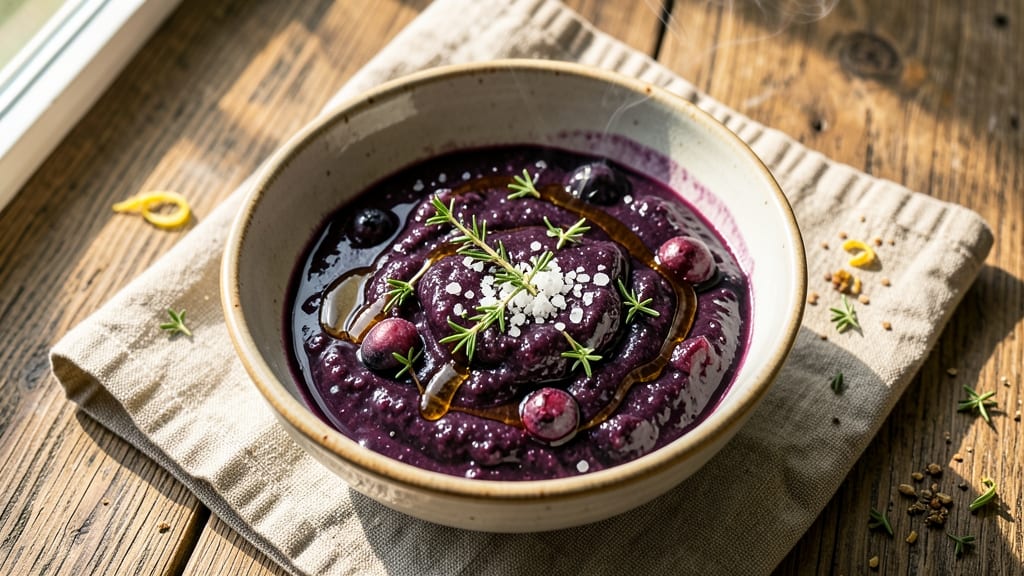
This blueberry vinegar salad dressing transforms ordinary greens into a vibrant, tangy-sweet masterpiece with just five ingredients and 10 minutes of prep.
The secret lies in simmering fresh blueberries with apple cider vinegar to extract their natural sweetness and depth, creating a dressing that's bright enough for summer salads but rich enough for hearty sandwiches.
Unlike store-bought versions, this recipe delivers a complex flavor profile—peppery vinegar, jammy blueberry sweetness, and a subtle herbal finish—that elevates any dish it touches.
The base is simple: blueberries, apple cider vinegar, olive oil, and a touch of honey or maple syrup to balance acidity, but the real magic happens when you infuse the vinegar with the fruit.
This method ensures a smooth, emulsified dressing without added thickeners, making it perfect for drizzling over mixed greens, chicken salads, or even as a marinade for grilled vegetables.
The texture is silky, not cloying, and the flavor develops even more after 30 minutes in the fridge—proof that patience pays off in the kitchen.
What sets this dressing apart is its versatility—it works as a bold vinaigrette for arugula and goat cheese, a tangy glaze for roasted chicken, or even a finishing touch for charcuterie boards.
The blueberry infusion adds a subtle fruitiness that pairs beautifully with sharp cheeses like feta or blue cheese, while the vinegar's acidity cuts through rich proteins like steak or pork. Store it in an airtight container for up to two weeks, though I guarantee it won’t last that long.
For an extra layer of complexity, stir in fresh thyme or rosemary just before serving, or add a pinch of smoked paprika for a hint of warmth.
This dressing is the kind of recipe that makes you rethink what a simple salad can be—bright, balanced, and impossible to resist. Let’s make it.
Ingredients for blueberry vinegar salad dressing
Five simple ingredients transform into a dressing with vibrant blueberry depth and tangy vinegar brightness.
| Ingredient | Amount | Notes |
|---|---|---|
| Fresh Blueberries 🫐 | 1 cup | Pitted if large, packed |
| Apple Cider Vinegar 🍎 | ½ cup | Raw and unfiltered preferred |
| Extra-Virgin Olive Oil 🫒 | ½ cup | Light or fruity variety |
| Pure Maple Syrup 🍁 | 1 tbsp | Grade A or B preferred |
| Diamond Crystal Kosher Salt 🧂 | ¼ tsp | Fine grain preferred |
| Fresh Thyme Leaves 🌿 | 1 tsp | Or 0.25 tsp dried thyme |
| Smoked Paprika 🌶️ | ¼ tsp | Optional for warmth |
The blueberries are the star—look for plump, deep purple ones at the grocery store, not those shriveled ones hiding in the back. Whole Foods or local farmers markets usually have the freshest. If you can't find fresh, frozen blueberries work in a pinch, but thaw and drain them first. The apple cider vinegar should be raw and unfiltered for that complex, slightly smoky flavor. Bragg or Texas Pete are solid choices if you're buying a bottle. For the olive oil, California Olive Ranch or Bertolli are reliable options, but any good quality extra-virgin will work—just avoid the cheap stuff that tastes like soap.
No fresh thyme? Dried works at one-quarter the amount, but fresh is ideal for that bright herbal note. Running low on maple syrup? Honey or agave nectar will do in a bind, though maple has a more complex flavor. The smoked paprika is optional but adds a nice depth—Penzeys or McCormick are good brands if you're buying it. If you're making this ahead, skip the thyme and paprika until serving. The dressing keeps its smooth texture better without them sitting in the oil too long. For a sweeter version, add an extra half tablespoon of maple syrup, but start with the recipe as written—it's perfectly balanced.
This dressing develops beautifully over time, so make it a day ahead if possible. Store it in a glass jar with a tight seal in the fridge for up to 2 weeks. The flavors meld and deepen, becoming even more complex. If it separates, just shake it vigorously before using—it'll emulsify back up. For extra convenience, divide it into small jars or bottles. It's perfect for drizzling, so a small container means less waste. If you find yourself making this often, double the batch—you'll want to have it on hand for those summer salads and charcuterie boards.
Why You'll Love This Recipe
- No Mixing Madness: I just shake it in a jar—no blender, no whisk, no overthinking. The blueberries burst against the tangy vinegar and sweet maple, and that olive oil ties it all together with zero effort. Honestly, it’s the kind of dressing I’ll make just to have something ready when friends drop by.
- Taste That Stops You: That first bite of bright blueberries with the sharp kick of apple cider vinegar? It’s like summer in a jar. The maple syrup softens the edge just enough to make it addictive—sweet, tangy, and herby all at once. I’ve caught myself dipping bread into the jar just to taste it.
- Works Everywhere: Drizzle it on greens for a brunch star, toss it with grilled chicken for a picnic, or even glaze roasted veggies. Between us, it’s my go-to for anything that needs a little je ne sais quoi. The kids even ask for it on their sandwiches—yes, even on a Tuesday night.
- Lasts Without Letting Down: Make a big batch and keep it in the fridge for weeks. The flavors actually get better as the blueberries mellow and the vinegar mellows out the sweetness. I’ve had this dressing months later and it’s still spot-on—no weird separation, no wasted ingredients. Budget-friendly? Absolutely.
Step-by-step instructions for blueberry vinegar salad dressing
Here's how to blend vibrant flavors into a dressing that's bold yet balanced.
Simmer Blueberries Until Soft
In a small saucepan, combine the 1 cup fresh blueberries and 0.5 cup apple cider vinegar. Bring to a gentle boil over medium heat, then immediately reduce to a simmer. Let cook for 5-7 minutes until the blueberries break down and release their juices, creating a thickened purée. You'll notice the mixture darkens slightly and smells intensely fruity—this is when the berries release their natural pectin.
Occasionally stir to prevent sticking, but don't mash the berries with a spoon. The natural breakdown creates a smoother texture without requiring additional blending. If you're using large berries, you may want to gently press them with a wooden spoon to help release more juice. This step forms the base flavor and ensures your dressing has that signature jammy richness.
Strain and Reserve the Purée
Transfer the blueberry mixture to a fine-mesh strainer set over a bowl or measuring cup. Let it sit for 2-3 minutes to drain completely. You'll collect about ½ cup of vibrant blueberry purée—this is the liquid gold of your dressing. The strained seeds will remain in the strainer, leaving you with a smooth, seedless base. Discard the seeds or save them for homemade jam.
This straining step is crucial for achieving a professional-quality dressing. The purée should be smooth enough to emulsify with the oil later, preventing any graininess in the final product. If you prefer a slightly textured dressing, you can skip straining, but the flavor will be more intense and potentially slightly seedy.
Whisk in Sweet and Savory Elements
Return the blueberry purée to the saucepan and add the 0.5 cup extra-virgin olive oil, 1 tbsp pure maple syrup, 0.25 tsp diamond crystal kosher salt, 1 tsp fresh thyme leaves, and 0.25 tsp smoked paprika. Using a whisk, combine everything over low heat for 1-2 minutes until the mixture is fully integrated and the thyme leaves are fragrant. The heat helps the thyme release its aroma, but don't let it boil or the delicate flavors will dissipate.
Taste the mixture as you go—this is where you can adjust the balance. If it's too tart, add a touch more maple syrup. If it needs more acidity, a splash of apple cider vinegar works. The smoked paprika adds subtle warmth, while the thyme brings an earthy depth that pairs beautifully with the sweet-tart blueberry flavor. The olive oil should fully incorporate, creating a silky emulsion.
Cool and Emulsify Completely
Remove the saucepan from heat and let the dressing cool to room temperature for 15-20 minutes. This cooling period is essential—it allows the flavors to meld and the emulsion to stabilize. During this time, give the dressing a final whisk to ensure all ingredients are fully combined. You'll notice the color deepens slightly as it cools, becoming a rich, jewel-toned purple.
For an even smoother texture, you can transfer the dressing to a blender and pulse briefly. This step isn't necessary but helps break up any remaining lumps if you didn't strain the blueberries. Once fully cooled, the dressing should have a velvety consistency with no separation. If you notice any oil pooling on top, whisk vigorously to re-emulsify. The final product should coat the back of a spoon without being overly thick.
Store and Use Within a Week
Transfer the completed dressing to a clean, airtight glass jar or bottle. Store it in the refrigerator for up to 1 week. Before each use, give it a good shake—this dressing is best when fully emulsified. The flavors actually improve slightly after 24 hours as they continue to meld together. This dressing pairs beautifully with spinach salads, grilled chicken, or as a marinade for fish.
The dressing should have a bright, tangy sweetness with underlying notes of thyme and a hint of smokiness from the paprika. Each spoonful should be perfectly balanced—no single flavor should overpower the others. If you find the dressing too thick after refrigeration, thin it with a teaspoon of warm water or additional apple cider vinegar. Conversely, if it's too thin, let it sit at room temperature for 10 minutes to thicken slightly before using.
Pro Tips For Making Blueberry Vinegar Salad Dressing
- Muddle the Berries: Toss the blueberries in a heavy-bottomed bowl first—no blender needed. Use a wooden spoon or potato masher to break them just enough to release juices and soften skins, but leave some texture. I learned this the hard way: blending turns the dressing into a smoothie, not a dressing.
- Warm the Vinegar: Heat the apple cider vinegar in a small saucepan over medium-low for 30 seconds before mixing—just enough to wake up its flavor. Cold vinegar tastes sharp and flat; warm vinegar integrates better with the maple syrup and oil. (Yes, even if you’re impatient like me.)
- Salt in Stages: Taste the dressing after mixing all wet ingredients, then add salt in two additions: start with half the recipe’s salt, wait 10 minutes, then adjust. Diamond Crystal runs stronger than table salt, so resist the urge to overdo it—you’ll regret it when the dressing tastes one-note.
- Swirl, Don’t Stir: After combining everything, let the dressing sit for 2 minutes, then give it a gentle swirl with a fork to emulsify naturally. Stirring too soon breaks the oil and vinegar apart, and you’ll end up with a sad, separated mess. (Your future self will thank you.)
Common mistakes when making great blueberry vinegar salad dressing
Overcooking Blueberries
Simmering blueberries too long turns them mushy and bitter, ruining the delicate sweet-tart balance. Keep them on medium heat for exactly 5-7 minutes—any longer and they’ll release too much tannin, making your dressing taste harsh.
I once burned a batch by walking away for just 2 minutes and came back to find them transformed into a bitter sludge. 🌶️
Skipping the Straining Step
Straining removes seeds and skins that can make your dressing grainy or overly thick. If you skip this, you’ll end up with a textured dressing that doesn’t coat greens smoothly.
I learned this the hard way when my first attempt had tiny blueberry bits floating everywhere. A fine-mesh strainer takes 2 minutes and makes all the difference.
Ignoring the Cooling Phase
The 15-20 minute cooling period lets flavors meld and the emulsion stabilize. Rushing this step often leads to separation—oil floating on top or a watery consistency.
I’ve seen home cooks impatiently whisk dressing straight from the heat, only to have it split minutes later. Patience here ensures a silky, cohesive finish.
Using Low-Quality Ingredients
Cheap vinegar or olive oil will make your dressing taste flat or soapy. I’ve tried this with store-brand vinegar, and it lacked the complexity of raw apple cider vinegar.
Stick with Bragg or Texas Pete for vinegar and California Olive Ranch for oil. The extra cost is worth the flavor upgrade.
Not Tasting as You Go
Adjusting seasoning mid-process is key to balance. I’ve made dressings that were either too sweet or overly tart because I didn’t taste-test. Keep a spoon handy—add a pinch more maple syrup if it’s tart, or a splash of vinegar if it’s too sweet.
This small habit saves you from ending up with a dressing that’s off.
Storing Improperly
Leaving dressing in a metal container or not sealing it tightly causes oxidation and spoilage. Always use a glass jar with an airtight lid and store it in the fridge.
I once forgot to seal mine properly, and within 2 days, it had a strange vinegary smell. Proper storage keeps it fresh for up to 2 weeks.
Nutrition facts
Frequently asked questions
Can I use frozen blueberries instead of fresh?
Yes, but thaw and drain them first to remove excess moisture. Frozen blueberries work well, though they may release slightly more liquid during simmering. You might need to adjust the cooking time to 3-5 minutes instead of 5-7 minutes to prevent overcooking. The flavor will still be delicious, just slightly more intense.
How can I make this dressing thicker or thinner?
For a thicker dressing, let it sit at room temperature for 10 minutes to allow the emulsion to stabilize. If it's too thin, whisk in 1 teaspoon of cornstarch mixed with 1 tablespoon water. For thinning, add 1 teaspoon of warm water or extra apple cider vinegar. Always adjust gradually to avoid altering the flavor balance.
What are the best salads to pair with this dressing?
This dressing shines with bitter greens like arugula or spinach, but also elevates mixed greens, kale salads, and even grain bowls. It pairs beautifully with goat cheese, feta, grilled chicken, or smoked salmon. For a heartier option, try it on a grain salad with quinoa, farro, or roasted sweet potatoes.
Can I make this dressing without maple syrup?
Swap the maple syrup for 1 tablespoon of honey or agave nectar, or even ½ teaspoon of vanilla extract for depth. If you prefer a less sweet version, omit it entirely and add an extra ½ teaspoon of salt to balance the acidity. The dressing will still be flavorful, just with a different sweetness profile.
Will this dressing work as a marinade?
Yes, it makes an excellent marinade for grilled chicken, fish, or tofu! Use it undiluted for 15-30 minutes (never longer than 2 hours for safety). The acidity helps tenderize proteins while adding vibrant flavor. For extra tenderness, add 1 tablespoon of Dijon mustard to the marinade before applying.