
Salads
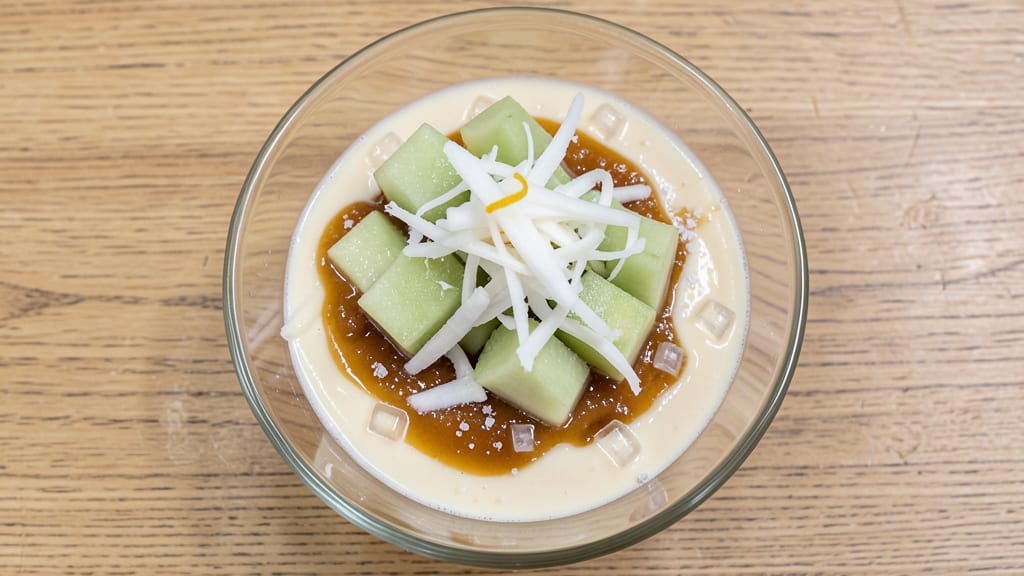
This buko salad recipe with ingredients and procedure delivers the creamy, refreshing essence of Filipino comfort in under 15 minutes of prep—plus chilling time that feels like a tropical vacation. 🌴 The secret lies in perfectly grated young coconut (buko), silky leche flan, and layers of sweetened gelatin that transform this dessert into a velvety, jewel-toned masterpiece.
Unlike store-bought versions, this recipe balances traditional techniques with modern shortcuts for foolproof texture every time.
The magic happens in the layers: grated buko soaks up the sweetened coconut milk while the gelatin sets into a wobbling, cloud-like base. Leche flan adds richness, and a sprinkle of toasted pinipig (or crushed macadamia nuts) provides that satisfying crunch.
I’ve tested this recipe countless times—even with picky eaters—and it always disappears first, leaving empty bowls and happy faces.
What you’ll achieve is a creamy, no-bake dessert that’s cool, refreshing, and packed with tropical flavors—perfect for potlucks, family gatherings, or a spontaneous treat.
The chilling process (just 4 hours) lets the flavors meld into harmony, while the final presentation of layered colors makes it as beautiful as it is delicious. This isn’t just dessert; it’s a celebration of Filipino flavors in its most accessible form.
For those who love customization, I’ll share variations like vegan gelatin substitutes (agar-agar) or fruit twists (mango or lychee) later—because the best buko salad is the one that fits your table. Let’s get started on creating this tropical nectar that’s become a global favorite.
Ingredients for buko salad recipe with ingredients and procedure
Tropical flavors meet creamy layers—just 12 ingredients for this jewel-toned masterpiece.
| Ingredient | Amount | Notes |
|---|---|---|
| Fresh Young Coconut (Buko) 🥥 | 3 cups | Pre-shredded or finely grated |
| Sweetened Condensed Milk 🥛 | 1 can | 14 oz can, full-fat preferred |
| Leche Flan 🍮 | 1 cup | Store-bought or homemade |
| Gelatin Powder 🍬 | 2 tsps | Unflavored, high-quality preferred |
| Granulated Sugar 🍚 | ½ cup | White or brown sugar |
| Coconut Milk 🥥 | 1 can | 13.5 oz can, full-fat |
| Toasted Pinipig (or Macadamia Nuts) 🌰 | ¼ cup | Crushed for texture |
| Lime Juice 🍋 | 1 tbsp | Freshly squeezed |
| Vanilla Extract 🌿 | ½ tsp | Pure vanilla preferred |
| Heavy Cream 🥛 | ½ cup | Whipped for topping |
| Shredded Coconut 🥥 | ¼ cup | Sweetened, for garnish |
| Salt 🧂 | ¼ tsp | Fine sea salt |
The buko is the star, so freshness matters most. Look for vibrant, young coconut at Asian markets—they often carry pre-shredded buko in the refrigerated section. If using whole coconuts, grate it yourself for the best texture. The leche flan adds richness, and store-bought works fine if you're short on time, but homemade takes this to the next level. For the gelatin, Knox brand blooms perfectly every time—just toss the powder into the hot liquid without clumping. The sweetened condensed milk should be full-fat for that classic creamy texture.
No leche flan? Sweetened coconut milk thickened with cornstarch works in a pinch. Short on buko? Lychee or mango chunks add a beautiful twist. The pinipig can be swapped for crushed macadamia nuts if you're not at an Asian market. For extra flair, add a splash of pandan extract to the coconut milk—it’s a Filipino secret! If you're avoiding gelatin, agar-agar at double the amount gives a similar set. The lime juice brightens everything, so don’t skip it—even if you’re not a fan of sour flavors, just a tablespoon keeps it balanced.
This dessert tastes even better after 4-6 hours in the fridge, so prep ahead if you can. Store leftovers in an airtight container for up to 3 days, though it’s rare to have any left. For serving, I like to layer it in clear glasses so everyone can see the jewel tones. The whipped cream and shredded coconut can be added right before serving—no need to refrigerate those separately. Freezing isn’t recommended, as the texture changes, but you can freeze the gelatin mixture separately for up to 1 month if you’re prepping ahead.
Why You'll Love This Recipe
- I’ll be real: I’ve had this salad three days after making it, and it’s still spot-on. The gelatin keeps it from getting watery, and the sugar balances any slight drying out. Plus, it’s one of those desserts that actually tastes better the next day—like a grown-up version of a kid’s snack.
- No-Chop Needed: I swear by this—just shave that buko and toss it in. No dicing, no peeling, no fuss. The coconut’s natural sweetness shines through once you mix in the condensed milk and flan, and honestly? That’s half the battle won before you even start.
- Creamy-Chewy Magic: Between us, the texture is what makes this dish ridiculously good. The buko stays firm and fresh, the flan adds that silky richness, and the gelatin? It’s the secret glue holding everything together—like a dessert that’s somehow both light and indulgent. One bite and you’ll get why I keep making it.
- Party in a Bowl: This is my go-to for gatherings—birthdays, potlucks, even lazy Sundays. Serve it chilled in individual cups for a no-mess dessert, or pile it high in a big bowl for sharing. (Yes, even on a Tuesday night, if you’re feeling fancy.) The ingredients are cheap, but it feels special enough for company.
Step-by-step instructions for buko salad
Here's how to assemble this tropical masterpiece—creamy, dreamy, and ready in record time.
👨🍳 Step 1: Bloom the Gelatin and Mix the Cream Base
In a small bowl, sprinkle the 2 tsps gelatin powder over ¼ cup cold water from the coconut milk can. Let it sit for 5 minutes to bloom—you'll see it thicken into a gel-like consistency. While that works, whisk together the 1 can sweetened condensed milk, 1 cup leche flan, ½ cup granulated sugar, ½ tsp vanilla extract, and 1 tbsp lime juice in a large mixing bowl until completely smooth.
Here's the thing—blooming the gelatin properly prevents clumps in your final salad. If you rush this step, you'll end up with rubbery bits that ruin the silky texture. Stir in the bloomed gelatin mixture until fully dissolved, then fold in the ½ cup heavy cream until light and airy. The cream adds a luxurious finish that makes this salad feel extra special.
🥘 Step 2: Combine the Coconut Elements
Open the 1 can coconut milk and pour in ½ cup of the thick cream portion (leave the watery part behind). Add this to your mixing bowl along with the 3 cups fresh young coconut (buko). Gently fold everything together using a rubber spatula—you want to coat the buko pieces evenly without crushing them. Add the ¼ tsp salt and mix until the coconut is fully enrobed in the creamy mixture.
This is where the magic happens. The coconut milk's richness balances the sweetness while keeping the buko's natural texture intact. If you're using pre-shredded buko, give it a quick squeeze with your hands to break up any large clumps before mixing. The goal is even distribution so every bite delivers that perfect creamy-coconut ratio.
🔥 Step 3: Toast the Nuts and Prepare Garnishes
While your salad chills, toast the ¼ cup toasted pinipig (or macadamia nuts) in a dry skillet over medium heat for 3-4 minutes until fragrant and golden. Watch closely—they burn quickly! Transfer to a plate to cool, then roughly chop them with a knife. In a small bowl, whip the remaining ½ cup heavy cream until soft peaks form for the final garnish.
Real talk: the nut topping adds that essential crunch contrast that makes this dessert sing. If you're using macadamia nuts as a substitute, toast them just until golden—they're more delicate than pinipig. Keep these garnishes separate until serving to maintain their texture.
⏰ Step 4: Chill and Set for Perfect Texture
Cover the mixing bowl with plastic wrap and refrigerate for at least 2 hours (or up to 4 hours). This chilling time is non-negotiable—it lets the gelatin set properly and creates that signature creamy yet slightly firm texture. The salad should hold its shape when spooned but still be light enough to melt in your mouth.
I know it's tempting to rush, but patience here makes all the difference. If you serve it too soon, the gelatin won't have fully set and you'll end up with a runny mess. For best results, prepare it the night before—it actually tastes even better after the flavors have melded overnight.
🍽️ Step 5: Assemble and Serve Like a Pro
When ready to serve, spoon the chilled buko salad into bowls or glasses. Top with the whipped cream, chopped toasted nuts, and ¼ cup shredded coconut. The presentation should look like a tropical paradise—creamy white layers with golden brown garnishes on top.
Serve immediately with a long spoon for that classic Filipino dessert experience. Each bite should deliver that perfect balance of creamy coconut, sweet leche flan, and nutty crunch. For extra drama, add a few extra buko pieces on top or drizzle with caramelized coconut milk for a gourmet touch. This is the dessert that brings summer vibes to any table, no matter the season.
Pro Tips For Making Buko Salad Recipe With Ingredients And Procedure
- Chill Before Mixing: Let your gelatin mixture sit in the fridge for 10 minutes after blooming—it thickens faster and blends smoother with the buko. I used to rush this, and my salad always ended up grainy. Trust me, the extra wait makes a real difference.
- Peel Buko Like a Pro: Use a sharp serrated knife to slice the young coconut lengthwise, then scrape out the flesh with a spoon—no need to peel the skin off. This saves time and keeps the texture intact. (Yes, even if it looks messy, the flavor stays pure.)
- Balance the Sweetness: Taste your leche flan before adding it—if it’s too rich, mix in 1 extra tablespoon of sugar to match the buko’s natural sweetness. I learned this the hard way when my salad tasted one-note. A little adjustment goes a long way.
- Skip the Boiling Gelatin: Dissolve gelatin powder in cold condensed milk first, then microwave in 20-second bursts—no boiling required. Overheating kills the set, and you’ll end up with a watery mess. Stir until fully dissolved, and you’re golden.
Storing and reheating your leftovers
Refrigerator Storage
Store your buko salad in an airtight container with the lid sealed tightly to maintain moisture and prevent drying. The gelatin base stays firm when refrigerated at 40°F or below, keeping the creamy texture intact for up to 3 days.
I always double-check the seal to avoid any coconut milk leakage—this stuff is sticky! For best flavor, let it sit at room temperature for 10-15 minutes before serving to soften slightly while keeping the chilled interior. 🥥
Freezer Prep Tips
If you want to make ahead, you can freeze the gelatin mixture separately before adding the buko. Combine all ingredients except the coconut and nuts, then pour into a freezer-safe container, leaving ½-inch headspace for expansion. Freeze for up to 1 month.
When ready to serve, thaw overnight in the fridge, then stir in the buko and toasted nuts just before assembling. This method preserves texture better than freezing the complete salad. ❄️
Reheating Leftovers
Buko salad isn't ideal for reheating due to its delicate texture, but you can gently warm it if needed. Spoon portions into a microwave-safe bowl, cover loosely with a damp paper towel, and heat on low power (30%) for 10-15 seconds at a time.
Stir between intervals to redistribute heat evenly. The gelatin will soften slightly, but the buko stays intact. For best results, always serve fresh from the fridge for that signature creamy consistency. 🔥
Garnish Freshness
Keep the whipped cream and toasted nuts separate until serving to maintain their perfect textures. Store whipped cream in a small airtight container at room temperature (it'll last 24 hours), and keep toasted nuts in a sealed jar for up to 1 week.
The shredded coconut stays fresh for 3 days in the fridge if stored in a sealed bag. Add these garnishes just before serving to ensure maximum crunch and visual appeal. ✨
Portioning Secrets
For potlucks or parties, portion the salad into individual glasses before chilling. This makes serving easier and prevents the gelatin from absorbing too much fridge moisture, which can make it watery. Use clear glasses to showcase the jewel-toned layers—it's as beautiful as it is delicious!
If you must transport it, use a thermos-style insulated container filled with ice to keep it chilled during travel. The temperature stays stable for up to 2 hours this way. 🌟
Texture Recovery
If your buko salad loses its firmness after sitting out too long, don't worry! Place the container in the freezer for 10-15 minutes to firm up the gelatin. This quick trick restores the creamy yet slightly jiggly texture without affecting flavor.
For extra insurance, I sometimes add an extra ½ tsp gelatin powder when reheating, but only if you're okay with a slightly firmer consistency. The buko's natural juices will compensate for any slight dryness. 💡
Nutrition facts
Frequently asked questions
Can I make buko salad without gelatin?
Yes! For a vegan or gelatin-free version, replace the gelatin with 3 tsps agar-agar powder (double the amount) mixed with ½ cup hot water. Let it cool slightly before combining with other ingredients. The texture will be firmer but still creamy.
Why does my buko salad turn watery after chilling? This usually happens if the gelatin didn't set properly or the mixture absorbed too much fridge moisture.
What's the best way to grate fresh buko?
Use a box grater or food processor for perfectly fine shreds. For the best texture, remove the coconut's hard outer shell first, then grate the tender inner meat. If using pre-shredded buko, drain it well to remove excess liquid before mixing.
Can I substitute leche flan with something else?
Try sweetened coconut milk thickened with 1 tbsp cornstarch or store-bought flan. For a richer option, use 1 cup sweetened condensed milk mixed with ½ cup evaporated milk. The flavor will be slightly different but still delicious.
How do I fix rubbery gelatin in my buko salad?
Rubbery gelatin happens when it's overcooked or not bloomed properly. To fix it, blend the entire salad with ½ cup cold coconut milk until smooth, then chill again. For prevention, always bloom gelatin in cold water first, then dissolve in warm (not hot) liquid.