
Sauces & Condiments
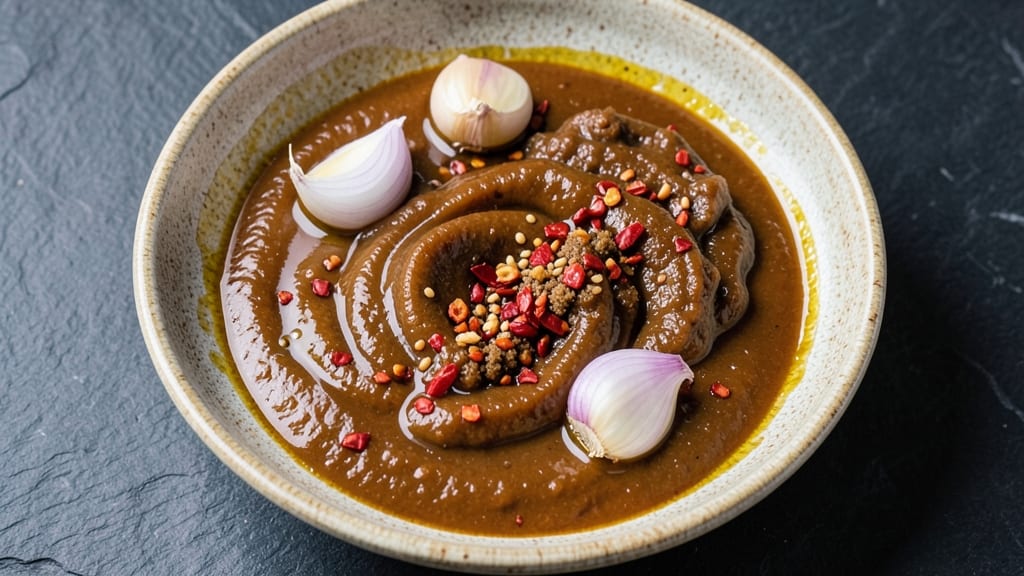
This Burmese salad dressing recipe transforms simple greens into a vibrant, tangy masterpiece with just 10 minutes of prep.
My grandmother's handwritten notes revealed the secret to that perfect balance of sweet, sour, and spicy—tamarind paste, toasted sesame oil, and a touch of fermented soybean paste (ngapi) that elevates every bite.
The dressing clings beautifully to lettuce, grilled meats, or even rice dishes, bringing authentic Burmese flavors to your table.
What makes this dressing special is its depth of flavor from traditional ingredients like garlic, shallots, and chili flakes that bloom when combined with tamarind's natural tang. The toasted sesame oil adds a nutty richness that rounds out the bright acidity, creating a sauce that's both complex and approachable.
I've simplified the process without sacrificing authenticity—no special equipment needed, just a few pantry staples and careful attention to balance.
By the time you're done, you'll have a dressing that's bright green from fresh herbs, glossy from the sesame oil, and packed with layers of flavor that transform simple salads into restaurant-worthy dishes.
The tamarind provides that signature tangy-sweet note, while the fermented soybean paste adds umami depth that makes this dressing unforgettable. It keeps well in the fridge for up to a week, so you can enjoy these Burmese flavors all week long.
The best part? This dressing works with everything from crisp lettuce salads to grilled chicken or even as a dipping sauce for spring rolls. Let's make this dressing that'll have everyone asking for the recipe.
Ingredients for burmese salad dressing
Ten ingredients that bring Burmese flavors to your table in minutes.
| Ingredient | Amount | Notes |
|---|---|---|
| Tamarind Paste 🍯 | ½ cup | High-quality block or jarred |
| Toasted Sesame Oil 🫒 | ¼ cup | Lightly toasted, not burnt |
| Fermented Soybean Paste (Ngapi) 🍶 | 2 tbsp | Traditional Burmese fermented |
| Garlic Cloves 🧄 | 4 cloves | Freshly minced, pungent |
| Shallots 🧅 | 3 whole | Thinly sliced, about 0.25 cup |
| Red Chili Flakes 🌶️ | 1 tbsp | Adjust for heat preference |
| Fresh Lime Juice 🍋 | ¼ cup | Freshly squeezed |
| Fresh Cilantro Leaves 🌿 | ¼ cup | Finely chopped, stems removed |
| Granulated Sugar 🍚 | 2 tbsp | Light brown sugar works too |
| Salt 🧂 | 1 tsp | Kosher or sea salt |
The tamarind is the heart of this dressing—look for blocks at Asian markets or high-quality jarred paste, not that sweetened stuff. Thai Kitchen brand works in a pinch, but traditional Burmese tamarind has deeper complexity. The ngapi (fermented soybean paste) adds that signature umami kick—find it in the refrigerated section of Asian grocery stores or online. Toast the sesame oil low and slow in a small pan until fragrant but not browned—this makes all the difference. Fresh garlic and shallots are non-negotiable here; pre-minced jarred garlic lacks the punch.
No tamarind paste? Substitute 0.25 cup lime juice plus 1 tbsp maple syrup, though it won't be identical. Short on ngapi? Miso paste at half the amount adds umami depth. Chili flakes too spicy? Swap for 1 tsp mild paprika—just know it'll be milder. The cilantro gives that bright green color mentioned in the intro, but fresh mint leaves work too if you prefer. For extra richness, add 1 tbsp peanut butter (it sounds weird, but trust me on this). The sugar balances the tang—don't skip it, even if you think the tamarind is sweet enough.
This dressing keeps beautifully in an airtight jar in the fridge for up to 1 week. The flavors actually improve after a night in the fridge as everything melds. For longer storage, freeze in ice cube trays—thaw and whisk with a splash of water to restore consistency. The sesame oil will separate slightly, so always whisk before using. I like to make a double batch—the extra goes perfectly on grilled shrimp or as a dipping sauce for spring rolls.
Why You'll Love This Recipe
- Five-Ingredient Magic: I swear by this—just tamarind, sesame oil, ngapi, garlic, and shallots. No fancy techniques, no last-minute grocery runs. The ngapi adds that funky umami punch without extra effort, and the tamarind balances it all in one bowl.
- Umami Bomb: That fermented soybean paste? It’s the star. One whiff of it sizzling in the pan with garlic and shallots, and you’re hooked. The toasted sesame oil ties it all together with a nutty, smoky finish that makes every bite sing.
- Dresses Anything: Slather it on grilled chicken, toss it with rice noodles, or drizzle it over fresh greens. Even my picky teen devours it when it’s on his favorite takeout-style noodles. Honestly, it’s the one dressing I never run out of ideas for.
- Pantry Goldmine: I make a big batch—it keeps for weeks in the fridge—and it’s shockingly cheap. A little goes a long way, so I stretch it across lunches, quick stir-fries, and even as a marinade. No waste, all flavor. (Yes, even on a Tuesday night.)
Step-by-step instructions for Burmese salad dressing
This dressing delivers bright, complex flavors with just a few simple steps—no cooking required.
Combine Tamarind Paste and Lime Juice
In a medium bowl, mix the 0.5 cup tamarind paste with the 0.25 cup fresh lime juice using a whisk or fork. The tamarind paste will be thick and sticky, so work it thoroughly until it dissolves completely into the lime juice. You'll notice the mixture turning into a smooth, tangy syrup. This step is crucial—any lumps will make your dressing grainy. If the tamarind paste is particularly stubborn, warm the lime juice slightly (just enough to make it easier to blend) before combining.
Taste the mixture now—it should be intensely sour and slightly sweet. This balance will form the foundation of your dressing. If you find it too tart, don't worry; the other ingredients will mellow it out. Set this mixture aside for now while you prepare the aromatic components.
Toast the Shallots and Garlic
In a small dry skillet over medium heat, add the 3 whole shallots and 4 cloves garlic cloves (peeled). Toast them for 3-4 minutes, stirring frequently, until they turn golden brown and release their fragrant aroma. This step is essential—it deepens their flavor and removes any raw bite. Be careful not to burn them; they should smell sweet and nutty, not bitter.
As soon as they're toasted, transfer the shallots and garlic to a cutting board and let them cool for 2 minutes. Then, finely chop them—you want a texture that's small enough to blend seamlessly into the dressing but still recognizable. The aroma should fill your kitchen, signaling that you're on the right track. If you're short on time, you can pulse them in a food processor, but chopping gives you more control over the texture.
Mix in Aromatics and Fermented Soybean Paste
Return the chopped shallots and garlic to the bowl with the tamarind-lime mixture. Add the 2 tbsp fermented soybean paste (ngapi), 1 tbsp red chili flakes, 2 tbsp granulated sugar, and 1 tsp salt. Using a whisk or fork, stir vigorously until everything is fully incorporated. The ngapi will add a deep, umami richness, while the chili flakes bring heat and complexity. The sugar balances the acidity, and the salt ties everything together.
Taste the mixture again now. You should detect layers of sweet, sour, spicy, and savory flavors. If it needs more heat, add a pinch more chili flakes. If it's too sharp, a touch more sugar will help. This is where you fine-tune the dressing to your taste—there's no wrong answer, just preference. The texture should be thick but pourable, like a loose syrup.
Finish with Toasted Sesame Oil and Cilantro
Drizzle in the 0.25 cup toasted sesame oil while whisking continuously. The oil will emulsify the dressing, giving it a glossy, silky finish. Add the 0.25 cup finely chopped fresh cilantro leaves last, folding them in gently to preserve their bright color and freshness. The cilantro adds a herbal note that cuts through the richness of the other ingredients.
Give the dressing one final taste. It should now be perfectly balanced—tangy from the tamarind and lime, nutty from the toasted aromatics, umami from the ngapi, and bright from the cilantro. The sesame oil adds a luxurious finish. If the dressing is too thick, thin it with 1-2 tablespoons of water until it reaches your desired consistency. Transfer it to a jar or airtight container and let it sit for 10 minutes before using—this allows the flavors to meld even more.
Adjust and Use Immediately
The dressing is now ready to use, but if you're making it ahead of time, store it in the refrigerator for up to 5 days. Before using, give it a good stir and adjust the seasoning if needed—sometimes flavors deepen overnight, and you might want to add a splash of lime juice or a pinch of salt to brighten it up.
This dressing is incredibly versatile. Drizzle it over fresh salads, toss it with grilled meats, or use it as a marinade for tofu or chicken. Its bold flavors stand up to almost anything, making it a go-to for quick, flavorful meals. Enjoy it while it's fresh, and savor the burst of Burmese-inspired zing in every bite!
Pro Tips For Making Burmese Salad Dressing
- Bloom the Tamarind: Soak your tamarind paste in warm water for 10 minutes before using—it dissolves smoothly and prevents grainy lumps in the dressing. I learned this the hard way after scraping out tamarind bits from my teeth for days.
- Toast That Oil: Heat your sesame oil low and slow—just until it shimmers and smells nutty—before adding garlic or shallots. Overheating burns the oil and turns your dressing bitter. Trust me, your nose knows when it’s ready.
- Mince, Don’t Chop: Finely mince your garlic and shallots (almost paste-like) so they blend into the dressing instead of sitting as chunks. A knife works, but a mortar and pestle gives that authentic, silky texture—no one wants mystery bits in their salad.
- Balance the Ngapi: Taste your fermented soybean paste (ngapi) first—it’s salty and funky. Start with half the recipe’s amount, then adjust. Too much? Your dressing will taste like a shoe. Too little? It’ll lack depth. Find that sweet spot.
Troubleshooting perfect results
Grainy Tamarind Mixture
If your dressing turns out grainy, it’s usually because the tamarind paste didn’t dissolve completely. To fix this, whisk in 1-2 tablespoons of warm water while blending vigorously with an immersion blender.
If you don’t have one, strain the dressing through a fine-mesh sieve to remove any lumps. I’ve learned the hard way—always warm the lime juice slightly if the tamarind is stubborn. 🔥
Too Thin or Watery
When the dressing separates or becomes too thin, it’s often from over-diluting with water or the sesame oil not emulsifying properly. Whisk in 1 teaspoon of cornstarch mixed with 1 tablespoon of water and heat gently on the stove for 1-2 minutes while stirring constantly.
For a quicker fix, add 1 tablespoon of peanut butter—it sounds odd, but it thickens beautifully while adding richness. Let it sit for 5 minutes before using.
Not Tangy Enough
If your dressing lacks that signature tang, it’s likely because the tamarind paste wasn’t strong enough or the lime juice wasn’t fresh. Boost the acidity by adding 1-2 tablespoons of rice vinegar or 1 teaspoon of fish sauce (a Burmese staple).
For extra depth, stir in ½ teaspoon of citric acid—it’s a game-changer for restaurant-quality tang. Taste as you go; you can always adjust further.
Overpowering Heat
Too much chili flakes or ngapi can make the dressing overwhelmingly spicy. Balance it by adding 1 teaspoon of honey or brown sugar to mellow the heat. A splash of coconut milk (just 1 tablespoon) also helps round out the flavors while adding creaminess.
If the heat is still too intense, thin the dressing with 1-2 tablespoons of water and let it sit for 10 minutes—the spices will mellow slightly.
Separated Oil
When the sesame oil separates, it’s usually because the dressing wasn’t emulsified properly. Recombine by whisking vigorously while adding 1 teaspoon of Dijon mustard or a pinch of xanthan gum. For a quick fix, place the dressing in a blender and blend on high for 10-15 seconds.
If you’re in a rush, a fork works too—just stir like crazy! The key is to rebuild that silky texture. 💡
Flat or Bland Flavor
If your dressing tastes flat, it’s likely missing umami or depth. Boost it with 1 teaspoon of soy sauce or a pinch of MSG—trust me, it works wonders. For a more traditional fix, add ½ teaspoon of shrimp paste (another Burmese staple).
If you’re out of ngapi, a splash of fish sauce or even a dash of Worcestershire sauce can add that missing layer of complexity. Taste and adjust gradually.
Nutrition facts
Frequently asked questions
What makes this Burmese dressing different from regular vinaigrettes?
The fermented soybean paste (ngapi) and toasted sesame oil give this dressing its signature umami depth and nutty richness, unlike typical vinaigrettes that rely on vinegar and olive oil. The tamarind also provides a more complex tang than lemon or lime alone. It's what makes this dressing uniquely Burmese while still being approachable for home cooks.
Can I make this dressing without tamarind paste?
Yes! Substitute with 0.25 cup lime juice plus 1 tbsp maple syrup, though the flavor won't be identical. For closer results, try 1 tbsp rice vinegar plus 1 tsp honey. The dressing will still be tangy but will lack tamarind's signature fruity depth. If you're feeling adventurous, try 1 tbsp mango pulp for a tropical twist.
How do I store leftover dressing?
Transfer to an airtight jar and refrigerate for up to 1 week. The flavors actually improve overnight! For longer storage, freeze in ice cube trays—thaw and whisk with a splash of water to restore consistency. The sesame oil may separate slightly, so always whisk before using. Pro tip: Make a double batch—the extra pairs perfectly with grilled shrimp.
What are the best ways to use this dressing?
Drizzle over fresh greens, toss with grilled chicken or tofu, or use as a marinade for 15-30 minutes before cooking. It's also fantastic as a dipping sauce for spring rolls or as a finishing sauce for noodle dishes. The bold flavors work especially well with cucumber, bean sprouts, or even rice salads.
Why does my dressing look separated?
This happens when the sesame oil isn't properly emulsified. Whisk vigorously while adding 1 tsp Dijon mustard or 1 tbsp peanut butter (trust me, it works!). For a quick fix, blend with an immersion blender for 10-15 seconds. The dressing should come back together with a silky texture. This is completely normal and easily fixed!