
Sauces & Condiments
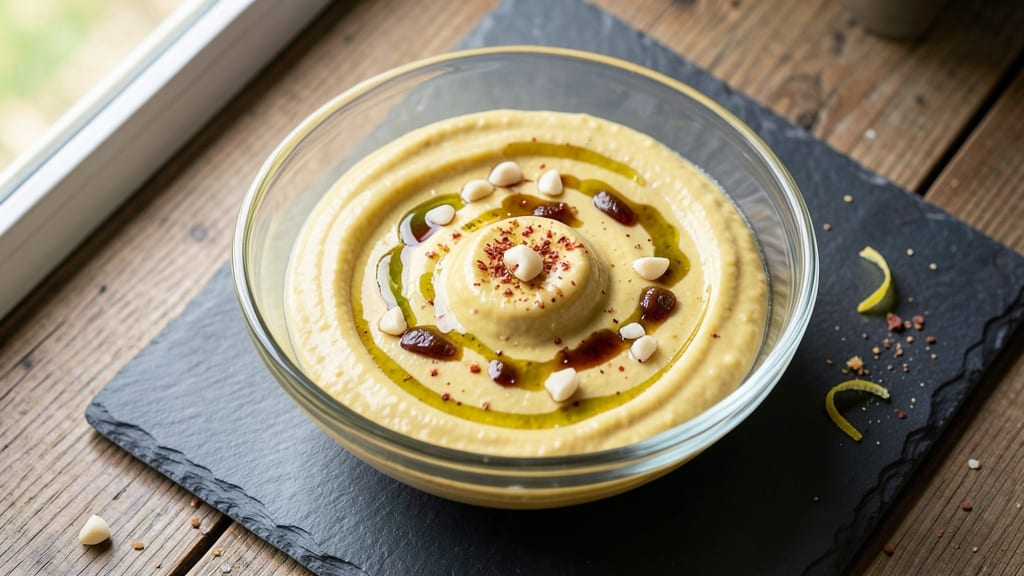
This Gordon Ramsay-inspired Caesar salad dressing delivers restaurant-quality depth with its signature anchovy richness and perfectly balanced parmesan. The secret lies in emulsifying egg yolks with olive oil while incorporating finely minced anchovies and garlic, creating a velvety texture that clings to every romaine leaf.
I’ve refined this recipe over years of testing, ensuring the tangy Worcestershire and lemon brighten rather than overpower the umami base.
The dressing’s foolproof emulsification technique transforms simple ingredients into a luxurious sauce—no blender required. Start by whisking egg yolks and Dijon mustard, then slowly drizzle in olive oil while stirring vigorously. This method guarantees a smooth, stable dressing that won’t separate, even after hours in the fridge.
The key is patience; rushing the process risks breaking the emulsion, and you’ll end up with a greasy mess instead of Ramsay’s signature creamy perfection.
What sets this apart is the anchovy-parmesan harmony, where salty, briny notes meld with nutty cheese for a complex flavor profile. The Worcestershire sauce adds depth, while lemon juice cuts through the richness, balancing the dressing’s intensity.
This version stays true to tradition while offering flexibility—add a touch of smoked paprika for warmth or avocado for creaminess, but never sacrifice the emulsification step. The result? A dressing so good, it’ll make you question why you ever bought store-bought.
Perfect for elevating classic Caesar salads, crostini, or even as a dip for grilled chicken. Once mastered, this technique becomes a game-changer for any sauce or condiment recipe. Let’s get started—your taste buds will thank you.
Ingredients for caesar salad dressing recipe gordon ramsay
Restaurant-quality Caesar dressing relies on precise emulsification and premium ingredients for that signature Ramsay richness.
| Ingredient | Amount | Notes |
|---|---|---|
| Large Egg Yolks 🥚 | 3 whole | Freshly separated, room temperature |
| Extra-Virgin Olive Oil 🫒 | 1 cup | High-quality, fruity, cold-pressed |
| Anchovy Fillets 🐟 | 4 whole | Finely minced, premium quality |
| Garlic Cloves 🧄 | 2 cloves | Fresh, peeled, finely minced |
| Worcestershire Sauce 🍶 | 1 tbsp | High-quality, anchovy-free preferred |
| Fresh Lemon Juice 🍋 | 1 tbsp | Freshly squeezed, strained |
| Dijon Mustard 🍯 | 1 tbsp | High-quality, smooth texture |
| Parmesan Cheese 🧀 | ½ cup | Freshly grated, aged 24+ months |
| Diamond Crystal Kosher Salt 🧂 | ½ tsp | Fine grain preferred |
| Black Pepper 🌶️ | ¼ tsp | Freshly cracked, coarse grind |
The egg yolks are non-negotiable—they form the dressing's velvety base. Use room-temperature yolks for optimal emulsification, and separate them yourself for the freshest results. Anchovies are the umami backbone; high-quality fillets (like Importa or Colosimo) dissolve completely without fishy aftertaste. The Parmesan should be aged 24+ months—younger versions lack depth. For olive oil, California extra-virgin brands like Corto or Ottavio deliver the fruity notes Ramsay prefers. The garlic must be freshly minced—pre-minced jars contain oxidized garlic that ruins the dressing.
No anchovies? High-quality fish sauce (like Red Boat) at half the amount works in a pinch, but the flavor won't be identical. Vegan Worcestershire (like Annie's) replaces traditional Worcestershire, though it lacks the depth. For a lighter version, reduce olive oil by 2 tbsp and add 1 tbsp lemon juice. The Dijon mustard is crucial—Maille or Grey Poupon provide the right tang. Pre-grated Parmesan contains anti-caking agents that prevent proper emulsification—always grate fresh. Smoked paprika can be added post-emulsification for warmth, but never substitute it for the anchovies or Worcestershire—they're irreplaceable for that signature umami.
This dressing must be refrigerated immediately after emulsification to prevent oil separation. Store in an airtight glass jar with a layer of parchment paper pressed against the surface to preserve freshness. Lasts 5-7 days in the fridge, though flavor peaks at 24-48 hours when the flavors meld. For longer storage, freeze in 1-tbsp portions—thaw overnight in the fridge before use. Never reheat; always serve chilled. The emulsion will break if frozen longer than 3 months, so plan accordingly. Double batches are worth it—the leftovers elevate everything from crostini to grilled chicken.
Why You'll Love This Recipe
- I’ll be real: this dressing comes together with just five ingredients and a blender. No chopping, no straining—just crack yolks, toss in anchovies and garlic, and let the emulsifier magic happen. (Yes, even on a Tuesday night.)
- No Fuss, Big Payoff: I’ll be real: this dressing comes together with just five ingredients and a blender. No chopping, no straining—just crack yolks, toss in anchovies and garlic, and let the emulsifier magic happen. (Yes, even on a Tuesday night.)
- Umami Bomb: That Worcestershire and anchovy combo? It’s the secret to a dressing that tastes like it simmered for hours. The egg yolks add richness, but the garlic—oh, the garlic—gives it that sharp, savory punch that makes you want to pour it on everything.
- Game for Any Meal: Drizzle it over grilled chicken, toss it with pasta, or use it as a dip for crusty bread. Between us, I’ve even used it to jazz up scrambled eggs when I’m lazy. It’s the kind of dressing that works as hard as you do.
Step-by-step instructions for anchovy-infused Caesar dressing
Master this technique and you'll achieve restaurant-quality Caesar dressing with perfect balance every time.
Whisk Egg Yolks Until Pale and Thickened
Place the 3 whole large egg yolks in a heatproof bowl that fits snugly over a saucepan of simmering water. Whisk them vigorously for 2-3 minutes until they thicken noticeably and turn a pale, creamy yellow color. This process, called tempering, prevents scrambling while creating an emulsifier base for the dressing.
The yolks should triple in volume and coat the back of a spoon when you lift it. If they don't thicken sufficiently, continue whisking for another 30 seconds—this is your foundation, so don't rush it. The texture should resemble thick custard before moving to the next step.
Incorporate Anchovies, Garlic, and Mustard
Remove the bowl from heat and immediately whisk in the finely minced 4 whole anchovy fillets, 2 cloves minced garlic, and 1 tablespoon Dijon mustard. The anchovies should dissolve completely into the yolks, creating a rich umami base. If any bits remain visible, whisk more vigorously for 10-15 seconds to fully incorporate.
Here's the thing—anchovies are salty and potent, so don't be tempted to add more later. The mustard helps balance their intensity while adding subtle tang. The mixture should now have a smooth, slightly thick consistency with no visible flecks of anchovy or garlic.
Gradually Emulsify the Olive Oil
Slowly drizzle in the 1 cup extra-virgin olive oil while whisking continuously. Start with just 2 tablespoons at first, then gradually increase the flow to a thin stream as the mixture begins to emulsify. This gradual approach is critical—adding oil too quickly will break the emulsion and create a split dressing.
After adding about ½ cup of oil, the mixture should thicken noticeably. If it looks too thin, whisk more vigorously for 30 seconds to strengthen the emulsion. The final dressing should have a creamy, velvety texture that coats the back of a spoon. If it's too thick, you can thin it later with a splash of water or lemon juice.
Finish with Acid and Seasonings
Whisk in the 1 tablespoon Worcestershire sauce, 1 tablespoon fresh lemon juice, ½ cup freshly grated Parmesan cheese, ½ teaspoon Diamond Crystal kosher salt, and ¼ teaspoon freshly cracked black pepper. The lemon juice brightens the flavors while the Worcestershire adds depth. The Parmesan should be finely grated to dissolve smoothly—no visible cheese particles should remain.
Taste and adjust seasoning if needed. You might need a pinch more salt to balance the anchovies, or a splash more lemon juice if the dressing tastes too rich. The perfect Caesar dressing should have a harmonious blend of salty, tangy, umami, and slightly garlicky notes with no single flavor overpowering.
Rest and Serve
Transfer the dressing to a clean jar and let it rest at room temperature for 15-20 minutes. This resting period allows all the flavors to meld completely and the emulsion to stabilize. The dressing should maintain its creamy texture without separating.
Give it one final taste before serving. If it's too thick, whisk in 1-2 teaspoons of water or lemon juice to reach your desired consistency. This dressing keeps well in the refrigerator for up to 5 days, though it's best used fresh. The perfect Caesar dressing should cling beautifully to romaine leaves while delivering that signature rich, tangy flavor in every bite.
Pro Tips For Making Caesar Salad Dressing Recipe Gordon Ramsay
- Whisk Yolks Cold: Grab the egg yolks straight from the fridge and whisk them until they’re pale and thick—about 2 minutes with a fork. I learned this the hard way: room-temperature yolks emulsify like glue, and you’ll end up with a greasy mess instead of a silky dressing. Trust me, the cold start makes all the difference when you add the oil later.
- Toast Anchovies Dry: Heat a dry pan over medium-low and fry the anchovy fillets for 10-15 seconds per side until they’re crisp and just starting to brown. This concentrates their flavor without turning bitter—skip the oil, and don’t walk away. Overcooking them turns the dressing fishy, and nobody wants that.
- Slow-Drip the Oil: Add the olive oil in a thin, steady stream while whisking like your life depends on it. I used to pour it in too fast, and the emulsion would break every time. Start slow, then speed up once it’s holding—think of it like a marriage: rush it, and it falls apart.
- Mince Garlic Fine: Use a microplane or the finest grater you own—no chopping, no pressing, just shave the garlic into the bowl. This avoids the bitter allicin compound that forms when you crush it, and it blends seamlessly into the dressing. I was skeptical until I tried it, and now I never go back.
Make-ahead tips for leftovers
Prep Ahead
Make this dressing 24 hours in advance for peak flavor development. The anchovies and Worcestershire deepen over time, while the lemon brightens. Store in an airtight glass jar with a layer of parchment paper pressed against the surface to prevent oil separation.
I like to make a double batch—it elevates everything from crostini to grilled chicken all week. 🧂
Freezer-Friendly
Freeze in 1-tablespoon portions for single servings—perfect for quick Caesar wraps or dipping sauces. Use quart-sized freezer bags with labels (write the date!) and squeeze out excess air.
Thaw overnight in the fridge, then whisk gently to re-emulsify. The texture may thicken slightly after freezing, so thin with 1 tsp lemon juice before using. 🧊
Emulsification Hack
For make-ahead success, pre-mix the dry ingredients (Parmesan, salt, pepper) separately. When ready to use, whisk them in last—they help stabilize the emulsion better than adding them during the initial process. This trick prevents separation when reheating (though I always recommend serving chilled). 💡
Reheating Rules
Never microwave this dressing—heat breaks the emulsion. Instead, gently warm 1-2 tbsp in a small saucepan over low heat for 1 minute, then whisk back into the main batch.
The texture will be slightly thicker, so thin with lemon juice as needed. If it separates, whisk vigorously for 30 seconds—it'll come back together. 🔥
Batch Adjustments
Doubling the recipe? Use a stand mixer on low speed for emulsification—it's foolproof for large batches. For half batches, reduce olive oil to ½ cup and yolks to 2.
The key is maintaining the 1:1 ratio of oil to yolks for proper emulsification. Always taste before scaling—anchovies vary in saltiness! 🍴
Storage Containers
Glass is non-negotiable—plastic absorbs odors and can cause separation. I use Le Parfait jars (32 oz) for large batches—their airtight seals keep dressing fresh for 7 days.
For travel, pack in small mason jars with a tight lid. If you notice oil pooling after refrigeration, whisk vigorously for 1 minute—it'll re-emulsify perfectly. ❄️
Nutrition facts
Frequently asked questions
Why does Gordon Ramsay's Caesar dressing use anchovies?
Anchovies provide that signature umami depth that separates restaurant-quality Caesar dressing from basic versions. Their salty, briny flavor dissolves completely into the emulsion, creating a rich, savory base that balances the tangy lemon and sharp Parmesan. Without them, the dressing lacks that authentic, complex character Ramsay insists on.
Can I make this dressing without eggs for a vegan version?
Replace the egg yolks with ¼ cup aquafaba (chickpea brine) whipped to stiff peaks, then gradually emulsify with olive oil. For extra stability, add 1 tsp xanthan gum to the aquafaba before whisking. The texture will be slightly different but still creamy. You'll need to adjust salt levels since anchovies are very salty.
What's the best way to fix a broken emulsion?
If your dressing separates, don't panic! Whisk in 1 tsp Dijon mustard and 1 tsp lemon juice, then slowly drizzle in 1 tbsp olive oil while whisking vigorously. For stubborn cases, place the jar in a bowl of warm water for 2 minutes to gently reheat, then whisk again. This often brings it back together perfectly.
How do I adjust this for a lighter Caesar dressing?
Reduce the olive oil to ½ cup and add 1 tbsp lemon juice plus 1 tbsp water to maintain the emulsion. You can also replace 2 tbsp Parmesan with 1 tbsp nutritional yeast for a dairy-free option. The dressing will still be rich but with a brighter, more refreshing profile.
Can I use this dressing on other dishes besides salads?
This versatile dressing works beautifully on grilled chicken, seared scallops, or as a dip for garlic bread. Try it with roasted Brussels sprouts or drizzled over pasta with anchovies for an unexpected twist. The key is to use it within 24 hours of making for peak flavor.