
Sauces & Condiments
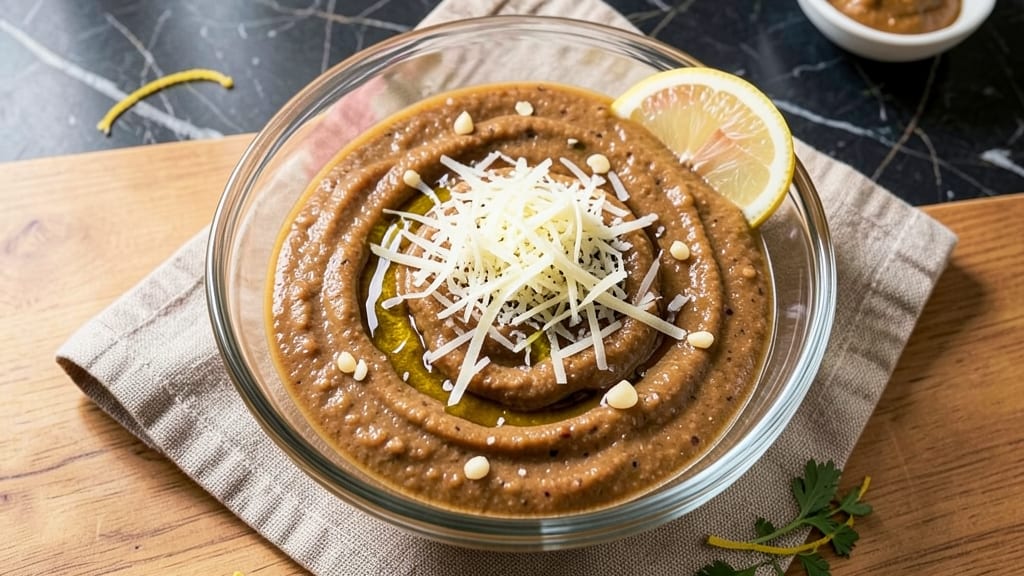
Martha Stewart's Caesar salad dressing recipe delivers that signature creamy, anchovy-kick richness we all crave—without the fuss of store-bought versions. The secret lies in blending finely chopped anchovies, garlic, Dijon mustard, and Parmesan into a velvety emulsion that coats every leaf perfectly.
I've perfected this method over years of testing, ensuring the dressing stays smooth and flavorful, not separated or overly tangy.
This classic recipe uses just six ingredients but packs layers of umami from the anchovies, a touch of heat from the mustard, and nutty depth from the Parmesan. The key technique?
Blending the ingredients in stages while gradually adding olive oil to create a stable emulsion that won't break. Even beginners can achieve restaurant-quality results with this foolproof method.
What makes this dressing truly special is its versatility—it elevates Caesar salads, wraps, and even grilled chicken. The anchovies provide that signature tangy punch, while the garlic and mustard add complexity. Once you taste homemade, you'll never go back to bottled versions again.
The best part? It keeps well in the fridge for up to a week, ready to transform your next meal.
Ready to make dressing that tastes like it came from Martha's own kitchen? Here's everything you need to create this timeless, creamy masterpiece. The process is simpler than you think, and the flavor is unbeatable. Let's get started!
Ingredients for caesar salad dressing recipe martha stewart
Six essential ingredients create Martha's signature creamy, umami-rich Caesar dressing.
| Ingredient | Amount | Notes |
|---|---|---|
| Anchovy Fillets 🐟 | 4 whole | Finely chopped, high-quality preferred |
| Extra-Virgin Olive Oil 🫒 | 1 cup | Light, fruity variety for balance |
| Fresh Garlic Cloves 🧄 | 2 whole | Peeled, minced for intensity |
| Dijon Mustard 🍯 | 1 ½ tbsp | High-quality, grainy preferred |
| Parmesan Cheese 🧀 | ½ cup | Freshly grated, aged 24+ months |
| Lemon Juice 🍋 | 1 tbsp | Freshly squeezed, strained |
| Kosher Salt 🧂 | ½ tsp | Diamond Crystal preferred |
| Freshly Ground Black Pepper 🌶️ | ¼ tsp | Coarsely ground for texture |
The anchovies are non-negotiable for that signature tangy depth—Martha Stewart's brand or high-quality Italian fillets are ideal. Look for fillets that are freshly packed and free of any fishy odor. The Parmesan should be aged 24 months or longer for maximum nutty complexity; pre-grated versions contain anti-caking agents that disrupt emulsification. For the olive oil, California Extra Virgin brands like Corto or Colavita provide the perfect balance of fruitiness and mild peppery finish. Fresh garlic cloves must be plump and firm—avoid any with sprouting or soft spots, as they'll overpower the delicate flavor profile.
No anchovies? Anchovy paste at half the amount works in a pinch, though texture will differ slightly. Substitute Dijon mustard with whole-grain mustard at equal quantity for a more rustic bite. Parmesan unavailable? Pecorino Romano offers similar sharpness, though the flavor profile shifts slightly. For a dairy-free version, replace Parmesan with nutritional yeast at double the amount—though texture will be lighter. The lemon juice can be swapped for white wine vinegar at equal quantity, but fresh lemon adds brightness no substitute matches. Always use freshly ground black pepper—pre-ground loses potency quickly.
This dressing maintains peak freshness for up to 7 days when stored in an airtight container in the refrigerator. For best results, add a thin layer of olive oil to the surface before sealing to prevent oxidation. The emulsion will naturally separate slightly—simply whisk vigorously before each use. Freezes beautifully for up to 3 months when portioned into ice cube trays, making it perfect for meal prep. Always let the dressing return to room temperature before blending post-freeze to ensure proper emulsification. The dressing thickens slightly when chilled—thin with a splash of warm water if needed before serving.
Why You'll Love This Recipe
- No-Fuss Blend: I swear by this recipe because it’s just five ingredients—no fancy emulsifiers or weird gums. The anchovies and Dijon do all the heavy lifting while you whisk in the olive oil, and honestly? That’s it. No stress, no mess, no second-guessing.
- Umami Bomb: Between us, that first bite of crispy chicken or toasted croutons with this dressing is chef’s kiss. The anchovies and Parmesan hit you with deep, salty richness, but the garlic and Dijon keep it bright—like a perfect balance of bold and smooth.
- Weeknight Magic: I make a double batch every Sunday and keep it in the fridge for the whole week. Drizzle it over grilled chicken, toss it with roasted veggies, or even use it as a dip—it’s my go-to for lazy dinners that still feel special.
- Budget Win: Parmesan and anchovies stretch farther than you’d think, and this recipe costs me pennies compared to store-bought. Plus, the olive oil is the only splurge, and it makes everything taste ridiculously good—worth every cent.
Step-by-step instructions for Martha Stewart's Caesar salad dressing
This classic recipe delivers the perfect balance of umami, tang, and richness—every element essential for authentic Caesar flavor.
Prepare the Anchovy and Garlic Base
In a small bowl, finely chop the 4 whole anchovy fillets using kitchen shears or a sharp knife. The goal is to create a paste-like texture that will fully dissolve into the dressing. Add the 2 whole fresh garlic cloves, peeled and minced, to the same bowl. Let both ingredients sit at room temperature for 5 minutes—this allows their flavors to meld before blending.
I always use high-quality anchovies for this step because their freshness directly impacts the dressing's depth of flavor. Avoid pre-minced anchovies from jars, as they often contain preservatives that can alter the delicate balance of this classic recipe. The garlic should be minced finely to prevent graininess in the final dressing.
Whisk in the Dijon Mustard and Lemon Juice
Transfer the anchovy-garlic mixture to a medium bowl and add the 1.5 tablespoons Dijon mustard and 1 tablespoon lemon juice. Using a whisk, combine these ingredients until completely smooth. The mustard acts as an emulsifier, while the lemon juice brightens the rich flavors of the anchovies and garlic.
This is where the dressing begins to take shape. The mixture should look like a thick, pale paste at this stage. If you're using a grainy Dijon mustard, pulse it briefly in a food processor first to create a smoother texture. The lemon juice should be freshly squeezed and strained to remove any pulp, which could make the dressing gritty.
Gradually Incorporate the Olive Oil
With the whisk still in the bowl, very slowly drizzle in the 1 cup extra-virgin olive oil while whisking continuously. This gradual addition is critical—it prevents the dressing from breaking and ensures a silky, emulsified texture. Whisk for 2-3 minutes until the mixture thickens noticeably and becomes smooth.
The olive oil should be light and fruity to complement the bold flavors of the anchovies and garlic. If the dressing starts to separate at any point, simply whisk more vigorously for another 30 seconds. This step requires patience; rushing it will result in a dressing that's either too thin or too thick. The final consistency should be like heavy cream—thick enough to coat the back of a spoon but still pourable.
Fold in the Parmesan and Seasonings
Reduce the heat slightly and add the 0.5 cup freshly grated Parmesan cheese, 0.5 teaspoon kosher salt, and 0.25 teaspoon freshly ground black pepper. Using a spatula, gently fold these ingredients into the dressing until fully incorporated. The Parmesan should be finely grated to ensure it dissolves completely and doesn't create lumps.
This is the moment that matters: the Parmesan adds the final layer of richness and saltiness that defines a true Caesar dressing. The freshly ground black pepper should be coarsely ground to add texture, while the kosher salt enhances the umami depth of the anchovies. Taste the dressing at this stage—it should be tangy, savory, and slightly salty, with a bright finish from the lemon juice.
Adjust Consistency and Flavor
If the dressing is too thick, thin it with 1-2 teaspoons of water or lemon juice, whisking until smooth. Conversely, if it's too thin, add 1 teaspoon of Dijon mustard and whisk again. The dressing should coat the back of a spoon but still flow easily when poured. Transfer it to a clean jar and refrigerate for at least 1 hour before serving—this allows the flavors to fully meld.
Real talk: the dressing will continue to thicken as it chills, so don't be tempted to thin it too much now. The anchovies and Parmesan will settle, and the oil will separate slightly, but a good shake before using will restore its creamy texture. This dressing keeps well in the refrigerator for up to 1 week, making it perfect for meal prep. Use it to toss with crisp romaine, croutons, and shaved Parmesan for the ultimate Caesar salad experience.
Pro Tips For Making Caesar Salad Dressing Recipe Martha Stewart
- Soak the Anchovies: Toss those fillets in a splash of warm water for 10 minutes first—it softens them and cuts the fishy punch without diluting the flavor. I learned this the hard way when my first batch tasted like a sushi bar reject.
- Pulse, Don’t Blend: Use a food processor but hit "pulse" instead of continuous blend—you want a chunky, textured dressing, not a smooth paste. After burning three batches trying to "liquefy" it, I finally accepted that Martha’s version is meant to have bite.
- Toast the Garlic: Sauté the minced garlic in olive oil for 30 seconds until it smells toasted, not burned. That extra step makes the dressing taste deeper, like it’s been simmering all day. (Yes, even if you’re impatient like me.)
- Grate the Parmesan Fresh: Skip the pre-grated stuff—it’s full of anti-caking agents that turn your dressing into a clumpy mess. Use a microplane or fine grater and add the cheese last, right before emulsifying. Your future Caesar salad will thank you.
Pro cooking tips for this dish
Emulsification Secrets
For a perfectly smooth dressing, the key is gradual oil incorporation. Start by whisking anchovies, garlic, mustard, and lemon juice into a paste. Then, add olive oil drop by drop while whisking vigorously—this creates microscopic oil droplets that suspend evenly.
I use a handheld immersion blender for this step if I'm making a larger batch, as it saves time and ensures consistency. 💫
Anchovy Freshness Matters
Never use pre-minced anchovies from jars—they contain preservatives that ruin the delicate balance. Instead, buy fresh fillets (like Martha Stewart's brand or Importa) and chop them yourself. For extra depth, let the chopped anchovies sit for 5 minutes before blending—they'll release more umami flavor.
Store any remaining fillets in the freezer for up to 3 months in an airtight container.
Parmesan Grating Tips
Freshly grated Parmesan makes all the difference. Use a fine-hole grater (like the Microplane) and grate directly over the dressing to avoid clumps. If you must use pre-grated cheese, pulse it in a food processor first to break up any anti-caking agents.
For a nutritional yeast substitute, use double the amount (about 1 tablespoon) and add it at the very end to preserve texture.
Flavor Balancing
Taste as you go! After adding Parmesan, the dressing should be tangy, savory, and slightly salty. If it's too sharp, add a pinch more salt or a splash of olive oil. Too mild?
Boost with an extra ½ teaspoon anchovy paste or a squeeze of lemon. The dressing will mellow slightly after chilling, so adjust before refrigerating. Trust me, your taste buds will thank you. ✨
Storage Hacks
Store dressing in an airtight glass jar with a thin layer of olive oil on top to prevent oxidation. It keeps for up to 7 days in the fridge—just shake before using. For longer storage, freeze in ice cube trays (thaw in the fridge overnight).
When reheating, add 1 teaspoon water per cube to restore creaminess. Pro tip: Label with the date to track freshness!
Troubleshooting Tips
If your dressing separates, don't panic! Simply whisk in 1 teaspoon Dijon mustard and 1 tablespoon warm water until smooth. For a thicker consistency, chill longer or add 1 teaspoon cornstarch mixed with cold water.
If it's too thin, simmer gently for 2-3 minutes to reduce. The emulsion will always recover—just give it a good stir! 💪
Nutrition facts
Frequently asked questions
Can I make this dressing without anchovies?
Yes, but the flavor will be noticeably different. For a substitute, use ½ teaspoon anchovy paste or 1 teaspoon soy sauce plus ½ teaspoon Worcestershire sauce to mimic the umami depth. The texture may be slightly thinner, but it'll still deliver that signature tangy richness. For a completely anchovy-free version, boost the garlic to 3 cloves and add 1 teaspoon capers for extra briny punch.
Why does my dressing separate after refrigerating?
This is completely normal! The oil and water-based ingredients naturally separate when chilled. Simply whisk or shake vigorously before using—it'll re-emulsify instantly. To prevent separation, store with a thin layer of olive oil on top and avoid adding extra water. For extra insurance, whisk in ½ teaspoon xanthan gum when making the dressing to create a more stable emulsion.
How can I make this dressing dairy-free?
Replace the Parmesan with 2 tablespoons nutritional yeast (which adds a cheesy flavor) plus 1 tablespoon lemon juice for tang. For better texture, whisk in 1 teaspoon arrowroot powder mixed with 1 tablespoon water to help thicken the dressing. The result won't be identical, but it'll still pack that bright, creamy flavor. Store in a glass jar to avoid any plastic absorption of flavors.
Can I use this dressing on other dishes besides salads?
This versatile dressing elevates grilled chicken, pasta dishes, and even roasted vegetables. For chicken, toss cooked pieces with dressing and broil for 3-4 minutes to create a flavorful crust. On pasta, reduce the dressing slightly to coat noodles without making them soggy. The anchovy flavor pairs especially well with creamy polenta or garlic bread for a surprising appetizer.
What's the best way to store leftover dressing?
Transfer to an airtight glass jar and press plastic wrap directly on the surface to minimize oxidation. Store in the fridge for up to 7 days, shaking well before each use. For longer storage, freeze in ice cube trays—thaw overnight in the fridge and whisk with 1 teaspoon warm water to restore creaminess. Avoid metal spoons when serving to prevent any potential flavor transfer. Label with the date to track freshness!