
Sauces & Condiments
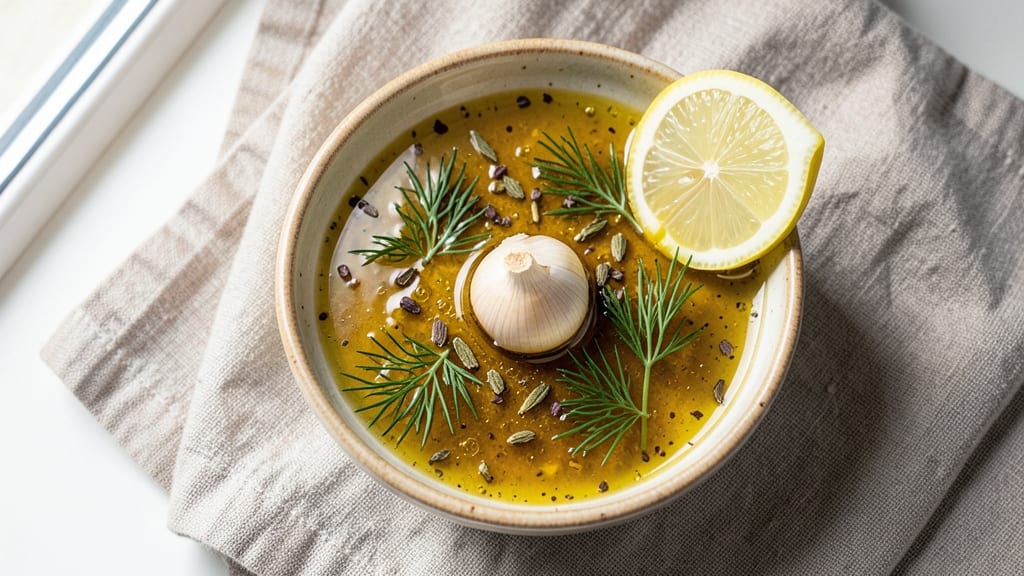
This Greek salad dressing recipe transforms simple ingredients into a bright, herby elixir that elevates every bite. ✨ My grandmother always insisted on fresh herbs and high-quality olive oil—no shortcuts—and this version delivers that same restaurant-quality tang without mustard's sharp bite.
The secret lies in balancing lemon's acidity with just enough garlic and oregano to create depth.
The dressing comes together in minutes with just five ingredients: extra-virgin olive oil, fresh lemon juice, minced garlic, dried oregano, and a pinch of salt. I like to whisk it while warm to help the oregano release its full aroma, though room temperature works perfectly too.
The oil should be light enough to drizzle but rich enough to coat each leaf, creating that signature Greek salad experience.
What makes this dressing special is its versatility—it brightens not just Greek salads but also grilled meats, roasted vegetables, or even as a marinade for chicken. The flavor develops beautifully over time, so I always make extra and store it in the fridge for up to a week.
A quick shake before using ensures it stays fresh and vibrant.
For an extra touch, consider adding finely chopped fresh dill or a few capers to the jar before sealing. The dressing keeps its freshness for days, making it perfect for meal prep or gifting. The key is always starting with the freshest ingredients—just like my grandmother taught me.
Ingredients for greek salad dressing recipe no mustard
Five simple ingredients create this herby, zesty dressing that's perfect for salads and more.
| Ingredient | Amount | Notes |
|---|---|---|
| Extra-Virgin Olive Oil 🫒 | ¾ cup | Light, fruity variety preferred |
| Fresh Lemon Juice 🍋 | ½ cup | From 2-3 medium lemons |
| Garlic Cloves 🧄 | 3 cloves | Minced or finely chopped |
| Dried Oregano 🌿 | 1 ½ tbsp | Mediterranean or Greek variety |
| Sea Salt 🧂 | 1 tsp | Fine grain preferred |
| Fresh Dill 🌿 | ¼ cup | Finely chopped, optional |
| Capers 🍅 | 1 tbsp | Chopped, optional |
The olive oil is the star—look for extra-virgin with a fruity aroma at stores like Whole Foods or Trader Joe's. My grandmother swore by California Olive Ranch for its bright, peppery kick. Fresh garlic is non-negotiable here; jarred minced garlic lacks the depth. The oregano should be from a dark glass jar—it keeps flavor better than those flimsy plastic containers. For the lemon juice, I like to use Eureka lemons when in season—they're more acidic and less bitter.
No fresh dill? Skip it or use half the amount of dried. The capers add a briny punch but aren't essential—leave them out if you prefer a simpler profile. Want more garlic flavor? Toast the minced cloves in olive oil for 30 seconds before adding to the dressing. The oregano can be swapped for Italian seasoning at half the amount, but you'll lose that authentic Greek touch. For a smoother texture, strain the dressing through a fine-mesh sieve after whisking.
This dressing keeps beautifully for 1 week in the fridge—shake well before using. For longer storage, transfer to a sterilized glass jar and freeze for up to 3 months. I always make double batches because it disappears fast. The flavor actually improves after sitting overnight as the oregano releases more aroma. Store it in the door shelf if you use it frequently—it gets the least temperature fluctuation.
Why You'll Love This Recipe
- Five-Ingredient Magic: I swear by this combo—just oil, lemon, garlic, oregano, and salt. That’s it. No measuring cups, no fancy tools, just a jar and a whisk. Honestly, I’ve made it while waiting for dinner to cook, and it still tastes like I spent hours.
- Bright & Bold: The lemon cuts through everything, while the garlic and oregano add that real Mediterranean punch. It’s not sweet or heavy—just fresh, tangy, and packed with flavor. Between us, this is the dressing I reach for when I want something that actually makes my salad taste like a meal.
- Works Everywhere: Drizzle it on grilled chicken, toss it with roasted veggies, or use it as a marinade. I’ve even poured it over warm pita with a sprinkle of feta—no rules here. It’s my go-to for weeknight dinners, potlucks, or when I’m too tired to think.
- Never Wastes: Make a big batch (it keeps for weeks in the fridge) and use it all. The oil and lemon preserve it perfectly, so I’m not scrambling for last-minute salad fixings. Plus, the ingredients are cheap—this is how I stretch my grocery budget without sacrificing taste.
Step-by-step instructions for herby lemon-oil dressing
This bright, tangy dressing comes together in minutes—no mustard, no fuss, just pure Mediterranean flavor.
🍳 Step 1: Whisk Olive Oil and Lemon Juice
In a medium bowl, combine the 0.75 cup extra-virgin olive oil and 0.5 cup fresh lemon juice. Use a whisk or fork to blend them thoroughly—you want a smooth, emulsified base before adding anything else. The oil should look almost translucent with tiny lemon droplets suspended throughout. If you're using a light olive oil, you'll get a cleaner finish; fruity varieties add extra depth.
Here's the thing—don't rush this step. Let the oil and lemon juice sit for 2-3 minutes while you prep the rest. This gives the citrus acid time to marry with the oil, creating a more cohesive base. The dressing should smell vibrant and zesty, like you're standing in a Greek market at noon.
👨🍳 Step 2: Add Garlic, Oregano, and Salt
To the oil-lemon mixture, add the 3 minced garlic cloves, 1.5 tablespoons dried oregano, and 1 teaspoon sea salt. Stir vigorously with a fork or small whisk for 30 seconds until the garlic is fully incorporated and the oregano dissolves into the oil. You should see tiny specks of garlic floating throughout—this ensures even flavor distribution.
Taste at this stage, and you'll notice the raw garlic bite. That's normal! The acidity from the lemon will mellow it out in the final dressing. If you're using Mediterranean oregano, you'll get that distinct licorice note that's so characteristic of Greek cuisine. Don't worry if it seems too strong now—it'll balance perfectly with the fresh herbs coming next.
🥘 Step 3: Fold in Fresh Dill and Capers
Gently stir in the 0.25 cup finely chopped fresh dill and 1 tablespoon chopped capers using a rubber spatula. The dill should be evenly distributed—you want every spoonful to have that bright, grassy freshness. The capers will add a briny punch that cuts through the richness of the olive oil. Give it one final stir to combine everything smoothly.
Here's where it gets fun—taste and adjust. If it needs more brightness, add another splash of lemon juice (1 teaspoon at a time). For more depth, a pinch of salt or another teaspoon of oregano works wonders. The dressing should taste bright, herby, and slightly briny—like the perfect balance of summer flavors. If it's too thick, whisk in 1-2 teaspoons of water to loosen it up.
⏰ Step 4: Let It Rest (Don't Skip This!)
Cover the bowl with plastic wrap and let the dressing rest at room temperature for at least 15 minutes. This resting period allows all the flavors to meld together beautifully. The lemon will mellow slightly, the garlic will soften, and the herbs will release their full aroma. Real talk: I've made this dressing fresh and served it immediately, but the flavor develops so much better after resting.
While you wait, give everything a quick taste test. You'll notice the flavors have deepened and become more harmonious. The dressing should coat your spoon with a silky texture, not be too thick or too thin. If you're using it for a salad, this is the perfect consistency—it'll cling to greens without overwhelming them. Store any leftovers in an airtight container in the fridge for up to 5 days, though it's so good I doubt it'll last that long!
Pro Tips For Making Greek Salad Dressing Recipe No Mustard
- Mince Garlic Fine: I learned this the hard way—using whole cloves or rough minces makes the dressing taste bitter. Pulse 2-3 cloves in a food processor or crush them with the flat side of your knife until they’re almost paste-like. This lets the flavor blend smoothly without overpowering.
- Whisk, Don’t Stir: Stirring with a spoon leaves streaks of oil and juice. Whisking emulsifies the dressing instantly, giving it that silky, cohesive texture. Use a fork if you’re in a pinch, but move fast—about 30 seconds of vigorous whisking does the trick.
- Salt the Oregano: Sprinkle a pinch of salt directly onto the dried oregano before adding it to the dressing. It blooms the flavor and prevents the herbs from clumping. (Yes, even if your salt is already in the mix elsewhere—this makes a real difference.)
- Rest the Dressing: Pour the dressing into a jar, seal it, and let it sit for at least 10 minutes before using. The flavors meld, and the lemon brightens while the garlic mellows. I skip this when I’m lazy, but the dish is noticeably better when I don’t.
Pro cooking tips for perfect results
Warm the Oil First
Before combining ingredients, warm the 0.75 cup extra-virgin olive oil in a small saucepan over low heat for 30 seconds. This releases the oil's natural aromas and helps the oregano's flavor fully infuse.
I learned this trick from my grandmother who'd always warm her dressings slightly—it makes a huge difference in depth. Let the oil cool to room temperature before mixing with lemon juice to prevent curdling. 🔥
Garlic Toasting Trick
For extra garlic flavor without the raw bite, lightly toast the 3 minced garlic cloves in 1 teaspoon olive oil for 30 seconds until golden. Let cool completely before adding to the dressing. This caramelizes the garlic's sugars, creating a sweeter, more complex flavor that blends beautifully with the lemon.
I discovered this when I accidentally left garlic in olive oil too long—turns out, it's a game-changer. 🧄
Emulsify Like a Pro
To achieve that silky, restaurant-quality texture, use a handheld immersion blender for 10-15 seconds after combining all ingredients. This creates a smoother emulsion than whisking alone. If you don't have one, whisk vigorously for 2 full minutes—the key is to work up a lather.
The dressing should coat the back of a spoon without separating. I keep a small Oster blender stick in my kitchen just for dressings and sauces.
Herb Freshness Matters
Use the freshest herbs possible—wilted dill or oregano will make your dressing taste dull. Look for herbs with vibrant color and no yellowing stems. If your dill is past its prime, substitute with ½ teaspoon dried dill—but it won't have the same bright flavor.
I always buy herbs from my local farmers market on Saturdays when they're at their peak. Store fresh herbs in the fridge wrapped in a damp paper towel—they'll last 5-7 days this way.
Flavor Development Time
Let the dressing sit for at least 30 minutes—I often make it the night before—to allow the flavors to fully meld. The lemon's acidity will mellow slightly, the garlic will soften, and the oregano will release its full aroma.
This resting period is what transforms a good dressing into a great one. I've made this mistake of serving it immediately, and while it's still good, it's not quite as harmonious as when it's had time to develop.
Storage Secrets
Store your dressing in a sterilized glass jar—I use small Mason jars—with a tight-sealing lid. Keep it in the fridge for up to 1 week—shake well before each use. For longer storage, freeze in ice cube trays**—each cube makes a perfect single serving.
The texture might separate slightly after freezing, but a quick whisk brings it right back together. The flavor actually improves after sitting overnight as the herbs release more oils into the mixture. 💫
Nutrition facts
Frequently asked questions
Can I use bottled lemon juice instead of fresh?
Fresh lemon juice gives the best flavor, but bottled works in a pinch. Use ½ cup bottled lemon juice and add ½ teaspoon extra salt to compensate for the lost acidity. The bottled version lacks freshness, so this dressing will taste slightly less vibrant. For the most authentic taste, always use fresh lemons when possible—they're worth the extra squeeze!
What if my dressing separates after refrigerating?
This is completely normal! The oil and lemon juice naturally separate when cold. Just give it a good shake or whisk before using—it'll re-emulsify perfectly. For a smoother result, whisk in 1 teaspoon warm water if needed. The texture should return to silky within seconds. This happens even with restaurant-quality dressings!
How can I make this dressing spicier?
Add a pinch of red pepper flakes or a dash of hot sauce for heat. For authentic Greek flavor, try ½ teaspoon Aleppo pepper—it adds warmth without overpowering. If you love garlic, toast an extra clove and blend it in for deeper flavor. Start with small amounts and adjust to taste, since spices intensify when refrigerated.
Is this dressing vegan?
This recipe uses only plant-based ingredients. The olive oil, lemon juice, garlic, oregano, and salt are all naturally vegan. Just make sure your capers are vegan (some brands use fish-based brining). The dressing is also gluten-free and dairy-free, perfect for any dietary needs while keeping that authentic Greek taste.
Can I use this dressing on other dishes besides salad?
Definitely! This versatile dressing works beautifully on grilled chicken, roasted vegetables, or even as a marinade. Drizzle it over warm pita bread with olives, or use it to baste lamb chops. The herby lemon flavor pairs well with almost any protein or vegetable. Just