
Salads
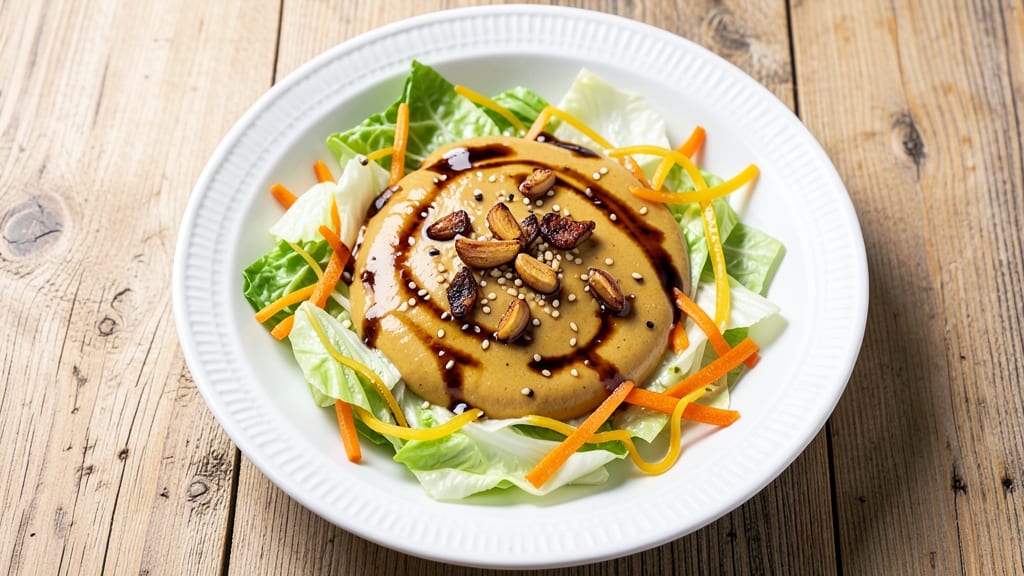
This Asian cabbage salad dressing recipe transforms simple greens into a vibrant, umami-rich dish that balances crisp textures with bold flavors. The secret lies in a harmonious blend of sesame oil, lime juice, and soy sauce—creating a dressing that's both tangy and deeply savory. I've perfected this recipe over years of testing, ensuring every ingredient plays its part without overpowering the delicate cabbage.
The dressing comes together in just 5 minutes with simple pantry staples, yet delivers restaurant-quality depth. A touch of honey or sugar rounds out the acidity, while fresh ginger and garlic add warmth that lingers.
What makes this recipe special is its versatility—it elevates not just cabbage, but also carrots, edamame, or even grilled meats.
What you'll end up with is a glossy, aromatic dressing that clings perfectly to shredded cabbage, enhancing its natural crunch while adding layers of flavor. The lime brightens the dish, the sesame oil adds richness, and the soy sauce brings that essential umami kick.
This dressing stays fresh in the fridge for up to a week, making it ideal for meal prep.
Perfect for Asian-inspired salads, grain bowls, or as a marinade, this recipe proves that bold flavors don't require complicated techniques. Whether you're serving it at a dinner party or packing lunches for the week, it's a game-changer for any salad routine. Let's make it!
Ingredients for asian cabbage salad dressing
Restaurant-quality dressing in minutes—just these ten ingredients transform simple salads into vibrant, umami-packed meals.
| Ingredient | Amount | Notes |
|---|---|---|
| Sesame Oil 🫒 | ¼ cup | Toasted for nutty aroma |
| Lime Juice 🍋 | ½ cup | Freshly squeezed, no pulp |
| Soy Sauce 🥢 | ¼ cup | Light or dark variety |
| Honey 🍯 | ¼ cup | Or agave for vegan option |
| Fresh Ginger 🌿 | 2 tbsp | Finely grated, aromatic |
| Garlic Cloves 🧄 | 3 cloves | Minced, for depth of flavor |
| Rice Vinegar 🍶 | ¼ cup | White or seasoned variety |
| Sesame Seeds 🥜 | 1 tbsp | Toasted, for garnish |
| Salt 🧂 | ½ tsp | Kosher or sea salt |
| Black Pepper 🌶️ | ¼ tsp | Freshly ground for heat |
The sesame oil is non-negotiable for that signature nutty aroma—Kadoya or La Tourangelle are my go-tos, but any toasted sesame oil works. Fresh ginger and garlic need to be bright and aromatic, so grab them from the produce section, not the jarred spices aisle. For lime juice, Mexican Key limes add extra zing, but regular limes work fine. The soy sauce should be light and clean—Kikkoman is reliable, but tamari adds a deeper flavor. Honey or agave balances the acidity, so don’t skip it unless you’re vegan.
No sesame oil? Toasted peanut oil at half the amount mimics the nutty depth. Short on lime juice? Substitute lemon juice, but add a pinch of sugar to compensate for the milder acidity. Jarred ginger works in a pinch, but freshly grated adds complexity. The rice vinegar can be swapped for apple cider vinegar, though it’ll taste slightly sweeter. For extra umami, add 1 tsp fish sauce (if not vegetarian) or 1 tsp miso paste. Always taste as you go—adjust honey or vinegar to balance tang and sweetness.
This dressing keeps for 1 week in the fridge, sealed tightly in an airtight jar. The flavors deepen over time, so it’s perfect for meal prep. For longer storage, freeze in ice cube trays—thaw and shake to re-emulsify. Garnish with toasted sesame seeds just before serving to add crunch. Double the batch if you’re meal prepping—it’s that good.
Why You'll Love This Recipe
- Here’s what sold me: the lime cuts through the cabbage’s crunch while honey rounds out the soy’s saltiness. Add ginger? Suddenly it’s not just dressing—it’s the star of the bowl.
- Five-Ingredient Magic: I swear by this combo—sesame oil, lime, soy, honey, and ginger. No fancy tools, no measuring cups (just eyeballs), and it’s done before your tea steeps. That’s what I call cooking.
- Tangy-Sweet Balance: Here’s what sold me: the lime cuts through the cabbage’s crunch while honey rounds out the soy’s saltiness. Add ginger? Suddenly it’s not just dressing—it’s the star of the bowl.
- Meal Prep MVP: I make a big batch on Sundays and toss it with everything: grilled chicken, cold noodles, even scrambled eggs. Keeps for days in the fridge, and the flavors only get better as it sits.
Step-by-step instructions for Asian cabbage salad dressing
This umami-packed vinaigrette balances sweet, tangy, and nutty flavors perfectly for fresh cabbage salads.
Toast the Sesame Seeds
Heat a dry skillet over medium heat. Add the 1 tablespoon sesame seeds and toast for 1-2 minutes until they turn a rich golden brown and release their nutty aroma. Stir constantly to prevent burning—you'll know they're ready when they smell intensely toasty and begin to pop slightly.
Remove the seeds immediately and set them aside to cool. These toasted seeds will add both texture and depth of flavor to your dressing. If you prefer an extra nutty taste, you can lightly toast the 0.25 cup sesame oil in the same pan for 30 seconds before using it in the recipe, but this step is optional.
Prepare the Aromatics
In a small bowl, finely grate the 2 tablespoons fresh ginger using a microplane or grater. The goal is to create a paste-like consistency that will dissolve completely into the dressing. Add the 3 cloves garlic and mince them finely—you want them to become almost unrecognizable when mixed, so they contribute flavor without texture.
Set these aside while you prepare the remaining ingredients. The freshness of these aromatics is crucial—they should smell vibrant and bright. If using pre-minced garlic or jarred ginger, taste it first; jarred versions often have a more muted flavor that may require additional seasoning later.
Whisk Together the Base Ingredients
In a medium bowl, combine the 0.5 cup lime juice, 0.25 cup soy sauce, 0.25 cup honey, and 0.25 cup rice vinegar. Whisk vigorously for 30 seconds to fully integrate these liquids—you should see small bubbles form as the mixture begins to emulsify slightly. This combination creates the perfect balance of sweet, salty, and tangy flavors that form the foundation of your dressing.
Taste the mixture now. It should be bright, acidic, and slightly sweet. If it's too tart, add a touch more honey; if it's too sweet, add a splash of lime juice. This is your flavor baseline before adding the remaining ingredients. The dressing should coat the back of a spoon with a silky texture at this stage.
Incorporate the Oil and Seasonings
With the whisk still in the bowl, very slowly drizzle in the 0.25 cup sesame oil while continuing to whisk vigorously. This gradual addition is critical—it creates an emulsion where the oil and vinegar-based liquids blend smoothly rather than separating. Whisk for another 1-2 minutes until the dressing thickens slightly and takes on a glossy sheen.
Add the grated ginger, minced garlic, 0.5 teaspoon salt, and 0.25 teaspoon black pepper, then whisk for another 30 seconds to fully incorporate. The dressing should now have a rich, complex flavor with layers of umami from the soy sauce, brightness from the lime, and warmth from the ginger and garlic.
Finish and Adjust the Dressing
Taste the dressing again and make any final adjustments. This is where you can really customize it to your preference—add a pinch more salt if needed, or a splash of lime juice for extra brightness. The dressing should be well-balanced with all flavors present but not overpowering any single note.
Once satisfied, transfer the dressing to a clean jar or airtight container. Sprinkle the toasted sesame seeds on top as a garnish and seal tightly. This dressing will keep in the refrigerator for up to 1 week, making it perfect for meal prep. Before using, give it a good shake to re-emulsify any separated oil—it should come together smoothly with just a few seconds of vigorous shaking.
Pro Tips For Making Asian Cabbage Salad Dressing
- Grate Ginger Fine: I learned this the hard way—chunky ginger bits make the dressing taste uneven. Use a microplane or the smallest holes on a box grater, then let it sit for 5 minutes before mixing. This releases the oils and blends smoothly without bitterness.
- Warm the Soy Sauce: Cold soy sauce can taste harsh in this dressing. Heat 1 tablespoon in a small pan for 10 seconds—just until it steams—then mix it in. The warmth deepens the umami flavor and prevents a metallic aftertaste.
- Add Sesame Oil Last: Too much sesame oil upfront can overpower the dressing. Stir it in just before serving—about ½ teaspoon at a time—so you can taste and adjust. If you add it early, the lime will mute its nutty aroma.
- Balance Honey and Lime: Sweet and sour should dance, not fight. Start with 1:1 honey to lime juice, then taste. If it’s cloying, add a splash more lime; if it’s tart, drizzle in a pinch of honey. Trust your tongue—this isn’t a math problem.
Creative variations of this dish
Spicy Sesame Kick
For a bold twist, add 1 teaspoon of chili crisp or ½ teaspoon of gochujang paste to the base mixture before whisking in the oil. This adds a fiery, slightly sweet heat that pairs perfectly with cabbage’s crunch.
I like to balance it with an extra ½ teaspoon of honey to soften the intensity. Garnish with crushed red pepper flakes for visual appeal and extra heat. 🌶️
Creamy Yogurt Twist
Replace half the sesame oil with ¼ cup plain Greek yogurt for a tangy, creamy dressing that’s ideal for heartier salads. The yogurt adds protein and a velvety texture, while still letting the lime and ginger shine.
Use this variation for grain bowls or as a marinade for chicken skewers. Trust me, it’s a game-changer for texture lovers. 🥛
Sweet Chili Glaze
Swap the honey for ¼ cup sweet chili sauce (like Huy Fong) and reduce the soy sauce to 2 tablespoons. This creates a sticky, slightly sweet dressing that works wonderfully with shredded cabbage, carrots, and edamame.
The sauce’s tangy-sweet balance makes it perfect for Asian-inspired dishes. Double it for extra sauce to drizzle over grilled meats. 🍜
Umami Miso Boost
Add 1 tablespoon white miso paste to the base ingredients for an extra layer of umami depth. The miso dissolves easily and adds a savory richness that elevates the dressing.
I recommend using Miso Master brand for a clean, fermented flavor. This version pairs beautifully with roasted vegetables or as a dipping sauce for spring rolls. 🍶
Herb-Infused Freshness
Stir in 1 tablespoon of finely chopped cilantro or Thai basil at the end for a bright, herbaceous finish. The herbs add freshness that cuts through the richness of the sesame oil.
For a stronger flavor, muddle the herbs with the lime juice before mixing. This variation is perfect for summer salads or as a topping for pho or ramen. 🌿
Nutty Peanut Fusion
Replace the sesame oil with ¼ cup natural peanut butter (creamy, no added sugar) and add 1 teaspoon of peanut oil to help emulsify. Thin with an extra 1 tablespoon of rice vinegar if needed.
This fusion brings a creamy, nutty richness that’s perfect for Asian-inspired salads or as a dip for veggies. The peanut butter adds protein and a satisfying thickness. 🥜
Nutrition facts
Frequently asked questions
Can I make this dressing without sesame oil?
Yes! For a nutty flavor without sesame oil, use 2 tablespoons toasted peanut oil or 2 tablespoons avocado oil plus 1 teaspoon peanut butter to mimic the richness. The dressing will still taste delicious—just slightly less aromatic.
How do I prevent the dressing from separating?
Whisk vigorously when combining oil and vinegar-based liquids, and add the oil very slowly while whisking continuously. For extra stability, blend the ingredients with an immersion blender for 10-15 seconds. Store in an airtight jar, and give it a good shake before each use.
What’s the best way to store leftover dressing?
Keep it refrigerated in an airtight container for up to 1 week. The flavors actually improve over time! Before using, shake well to re-emulsify. For longer storage, freeze in ice cube trays—thaw and stir to restore texture.
Can I use this dressing on other vegetables besides cabbage?
This dressing works beautifully with shredded carrots, bell peppers, snap peas, or edamame. It also makes a fantastic marinade for tofu, chicken, or shrimp. The lime and ginger brighten up almost any fresh or cooked vegetable.
Why does my dressing taste too salty?
If the soy sauce overpowers, balance it with more lime juice or honey. For a milder taste, reduce the soy sauce to 2 tablespoons and add 1 tablespoon of coconut aminos instead. Always taste as you go—adjust gradually!