
Salads
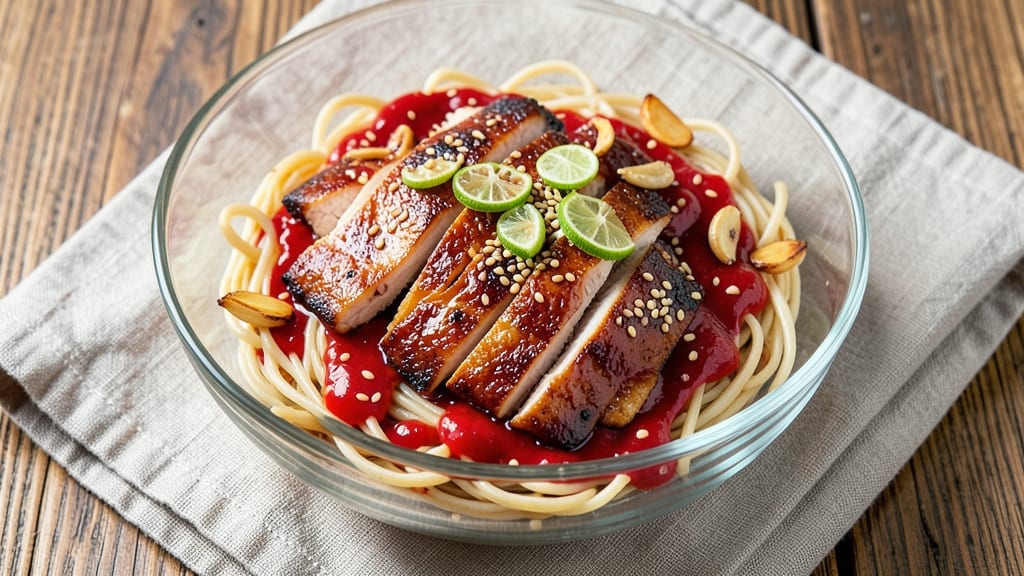
This Asian chicken noodle salad recipe delivers the perfect balance of sesame-ginger zing and crunchy peanut magic in every bite. ✨ After perfecting this dish during my time in Charleston, I've learned how to transform simple ingredients into a restaurant-worthy meal that's ready in under 30 minutes.
The secret lies in poaching the chicken just right—tender yet flavorful—and tossing it with chewy noodles, fresh vegetables, and a dressing that's both tangy and nutty.
The foundation of this salad is a sesame-ginger dressing that ties everything together with its aromatic blend of soy sauce, rice vinegar, and a touch of honey. I use soba noodles for their nutty flavor and chewy texture, but rice noodles or ramen work beautifully too.
The chicken gets its depth from a simple marinade of garlic, ginger, and a splash of sesame oil, ensuring it stays juicy while absorbing those rich flavors.
By the time you're done, you'll have a salad that's vibrant, satisfying, and packed with texture—crisp vegetables, tender chicken, and noodles that hold their shape. The peanut dressing adds a rich, creamy element that contrasts perfectly with the bright, fresh ingredients.
This dish is versatile enough for weeknight dinners or picnic lunches, and it keeps well in the fridge for up to three days.
For an extra touch of authenticity, garnish with toasted sesame seeds, sliced green onions, or crushed peanuts. Serve it chilled or at room temperature, and watch it disappear from the table. Here's how to bring this Asian-inspired classic to life in your kitchen.
Ingredients for asian chicken noodle salad
Simple ingredients that pack a flavor punch—sesame, ginger, peanut, and fresh veggies.
| Ingredient | Amount | Notes |
|---|---|---|
| Boneless Chicken Breast 🍗 | 1 ½ lb | Pounded to even thickness |
| Soba Noodles 🍜 | 8 oz | Or rice noodles if preferred |
| Sesame Oil 🫒 | 1 ½ tbsp | For marinade and garnish |
| Fresh Ginger 🌿 | 2 tbsp | Grated, fresh preferred |
| Garlic Cloves 🧄 | 4 cloves | Minced for marinade |
| Low-Sodium Soy Sauce 🥄 | ¼ cup | For marinade and dressing |
| Rice Vinegar 🍶 | ¼ cup | For dressing balance |
| Honey 🍯 | 2 tbsp | For dressing sweetness |
| Peanut Butter 🥜 | ¼ cup | Creamy, unsweetened |
| Sesame Seeds 🌰 | 2 tbsp | Toasted for garnish |
| Red Bell Pepper 🌶️ | 1 whole | Thinly sliced, any color |
| Cucumber 🥒 | 1 whole | Seedless, sliced |
| Green Onions 🧅 | 4 whole | Sliced for garnish |
| Salt 🧂 | 1 tsp | Kosher or sea salt |
| Black Pepper 🌶️ | ½ tsp | Freshly ground |
The chicken is the star, so don't skimp on quality. Look for boneless breasts with good marbling—they stay juicier. I grab mine at Whole Foods or the butcher counter at Trader Joe's when they have fresh cuts. For the noodles, soba gives that authentic nutty flavor, but rice noodles work great too—just adjust cooking time. Fresh ginger is a must here; the dried stuff just doesn't have the same zing. If you can't find fresh, grate it right before using—no substitutions here.
No sesame oil? Avocado oil or neutral oil works in a pinch, but it won't have that toasty aroma. The peanut butter should be creamy—Jif or Skippy are my go-tos. For the dressing, if you're avoiding honey, maple syrup does the trick. The veggies can be swapped too—shredded carrots or snap peas add great texture. Just keep the red bell pepper and cucumber for that classic crunch. And toast those sesame seeds in a dry pan for 30 seconds—they'll smell amazing and add serious flavor.
This salad keeps beautifully in the fridge for 3-4 days, though the noodles get softer over time. I like to store the dressing separately and toss it together fresh before serving. For extra crunch, add the veggies and chicken last minute. The dressing thickens when chilled, so give it a quick stir before using. Garnish with those toasted sesame seeds and green onions right before eating—trust me, it makes all the difference. Leftovers? Double the batch and freeze half for quick lunches later.
Why You'll Love This Recipe
- No-Fuss Protein: I swear by this recipe when I’m too tired to fuss—just sear the chicken breast in one pan, shred it, and toss with the noodles. No brining, no marinating, no stress.
- Umami Bomb: That sesame oil and fresh ginger combo? It’s where the magic happens—bright, zesty, and just a little nutty. The garlic cloves get crisped in the same pan as the chicken, so you’re not just tasting flavor, you’re tasting efficiency.
- Lunchbox Hero: Between us, this is my go-to for meal prep. Pack it in jars for the week, and it stays fresh longer than takeout. Honestly, I’ve sent this to work cold and it’s still been devoured by noon.
- Budget Meal Stretch: Soba noodles are cheap, chicken breast is affordable, and a little sesame oil goes a long way. I’ve made this feed four people for under $15—no splurges, just smart ingredients.
Step-by-step instructions for Asian chicken noodle salad
Here's how to create this vibrant, crunchy salad with perfect protein and zesty dressing.
👨🍳 Step 1: Prepare the Chicken and Marinate
Place the 1.5 lb boneless chicken breast between two sheets of plastic wrap and pound it to an even ½-inch thickness using a meat mallet. This ensures even cooking and juicy results. Cut the chicken into ½-inch thick strips and transfer to a bowl.
In a small bowl, whisk together 1.5 tbsp sesame oil, 0.25 cup low-sodium soy sauce, 2 tbsp grated fresh ginger, 4 minced garlic cloves, 1 tsp salt, and 0.5 tsp black pepper. Pour this marinade over the chicken and toss to coat evenly. Let it marinate for at least 20 minutes (or up to 2 hours in the refrigerator) while you prepare the rest of the ingredients.
🍳 Step 2: Cook the Chicken and Prepare Vegetables
Heat a large skillet over medium-high heat and add the marinated chicken in a single layer. Cook for 4-5 minutes per side until the chicken is golden brown and reaches an internal temperature of 165°F. Remove from heat and let it rest for 5 minutes before slicing into bite-sized pieces.
While the chicken cooks, prepare the vegetables. Thinly slice 1 whole red bell pepper and 1 whole cucumber (remove seeds if preferred). Slice 4 whole green onions into ¼-inch pieces and set aside. Cook the 8 oz soba noodles according to package instructions until al dente, then drain and rinse briefly under cold water to stop the cooking process. Toss with 1 tbsp sesame oil to prevent sticking.
🥘 Step 3: Make the Peanut Dressing
In a blender or food processor, combine 0.25 cup creamy peanut butter, 0.25 cup rice vinegar, 2 tbsp honey, 1 tbsp sesame oil, 1 tsp salt, and 0.25 tsp black pepper. Blend until completely smooth, scraping down the sides as needed. With the blender running, slowly drizzle in 2-3 tablespoons of water until the dressing reaches a pourable consistency—it should coat the back of a spoon but still be drizzable.
Here's the thing—this dressing is the star of the dish. If it's too thick, add more water 1 teaspoon at a time until it reaches the perfect balance of creamy and pourable. Taste and adjust seasoning if needed, adding a pinch more salt or honey as desired.
🥘 Step 4: Assemble the Salad
In a large bowl, combine the cooked soba noodles, sliced chicken, red bell pepper, cucumber, and green onions. Drizzle half of the peanut dressing over the salad and toss gently to coat everything evenly. The noodles should be well-coated but not soggy—if they seem dry, add a splash more dressing.
Transfer the salad to a serving platter and sprinkle with 2 tbsp toasted sesame seeds. For extra crunch, you can lightly toast the sesame seeds in a dry skillet over low heat for 2-3 minutes until fragrant. Serve immediately while the chicken is still warm and the noodles have that perfect al dente bite.
🍽️ Step 5: Garnish and Serve
Divide the salad among 4 plates and drizzle with the remaining peanut dressing. Garnish each serving with an extra sprinkle of sesame seeds and a few green onion slices. For that perfect finishing touch, I like to add a few thin slices of red bell pepper on top—it adds a pop of color and a satisfying crunch.
This salad is best enjoyed fresh, so don't wait too long before serving. The flavors meld beautifully together, with the nutty peanut dressing complementing the fresh vegetables and tender chicken. The sesame-ginger zing balances perfectly with the crunchy peanut magic—every bite is a harmonious blend of textures and flavors!
Pro Tips For Making Asian Chicken Noodle Salad
- Slice Chicken Thin: Use a sharp knife and cut the breast horizontally into two cutlets first, then slice thinly against the grain—this guarantees even cooking and tender bites. I learned this the hard way when my first attempt came out chewy because I sliced it too thick.
- Boil Noodles Al Dente: Test soba noodles 30 seconds before the package says "al dente"—they’ll keep cooking in the cold dressing. Overcooked noodles turn mushy, and nobody wants that in a salad.
- Toast Ginger Hard: Lightly char fresh ginger slices in a dry pan for 10 seconds per side—it deepens the flavor and mellows the bite. Skip this, and you’ll taste raw ginger’s sharpness cutting through the dish.
- Dressing First, Not Last: Toss the warm chicken and drained noodles with sesame oil and half the dressing immediately—it coats everything evenly. Dumping dressing at the end leaves dry spots, and you’ll regret it when the first bite is bland.
Perfect pairings for asian chicken noodle salad
Sesame-Ginger Dressing
The foundation of this salad is the sesame-ginger dressing, which balances sweet, tangy, and umami flavors. I use 2 tbsp honey for sweetness, 0.25 cup rice vinegar for acidity, and 1 tbsp sesame oil for depth.
The key is blending until completely smooth—no lumps! For extra zing, add 1 tsp grated fresh ginger to the dressing before serving. This dressing works perfectly with the peanut sauce or as a standalone option. 🌿
Peanut Sauce Variations
For a lighter version, swap 0.25 cup peanut butter for 0.2 cup tahini and add 1 tsp lime juice for brightness. If you prefer spice, mix in ½ tsp sriracha or 1 tsp chili flakes with the peanut butter before blending.
For a vegan option, ensure your peanut butter is unsweetened and use maple syrup instead of honey. The sauce should always coat the back of a spoon but remain pourable. ✨
Crunchy Toppings
Toasted sesame seeds and crushed peanuts add texture and flavor. For extra crunch, lightly fry shallots in 1 tbsp sesame oil until golden, then sprinkle over the top. Fresh cilantro or mint adds a bright, herbal note.
I also like adding thinly sliced jalapeños for a spicy kick. These toppings should be added just before serving to maintain freshness. 🥜
Beverage Pairings
A cold jasmine iced tea or green tea lemonade complements the salad’s flavors beautifully. For beer lovers, a crisp Asian lager like Sapporo or Yebisu cuts through the richness.
If you prefer wine, a dry Riesling or Pinot Grigio enhances the dish’s brightness. Avoid heavy or overly sweet drinks—they’ll overpower the salad’s delicate balance. 🍺
Side Dish Ideas
Serve this salad with steamed edamame or miso soup for a complete meal. Warm garlic naan or rice crackers add a satisfying contrast. For a lighter option, pair it with a simple cucumber salad> tossed in rice vinegar and sesame oil.
These sides keep the meal balanced and authentic to Asian flavors. 🥗
Nutrition facts
Frequently asked questions
Can I use rotisserie chicken instead of fresh?
Rotisserie chicken works perfectly—just shred or slice it into bite-sized pieces. For best flavor, remove the skin and discard any excess fat. You may want to add an extra 1 tsp soy sauce and ½ tsp sesame oil to the chicken before mixing to boost the Asian flavors. This shortcut saves time without sacrificing taste!
What if I don't have soba noodles?
No problem! Use rice noodles (like pad thai noodles) or even udon noodles for a heartier version. Cook them according to package instructions, but rinse with cold water afterward to stop them from getting mushy. For extra authenticity, try ramen noodles (discard the seasoning packet) or spaghetti in a pinch—just reduce the dressing slightly to avoid sogginess.
How do I make this gluten-free?
Swap the soy sauce for tamari or coconut aminos, and use gluten-free rice noodles or buckwheat noodles. For the peanut dressing, check your peanut butter label—most brands are gluten-free, but some flavored versions may contain additives. Always verify ingredients to ensure a safe, delicious meal for gluten-sensitive guests.
Can I prep this salad ahead of time?
Yes! Store the chicken, noodles, and veggies separately in the fridge for up to 2 days. When ready to serve, toss everything together and add the dressing just before eating. For the peanut sauce, store it in an airtight container—it thickens when chilled, so thin with 1 tsp water before using. Garnishes like sesame seeds and green onions should be added fresh for maximum flavor.
Why did my peanut dressing turn out too thick?
This usually happens if the peanut butter wasn't blended long enough or if you didn't add enough water. Fix it by thinning with 1 tsp water at a time while blending. For prevention, start with 3 tbsp water and blend until completely smooth. If the dressing still seems too thick, stir in ½ tsp rice vinegar to help emulsify it naturally.