
Salads
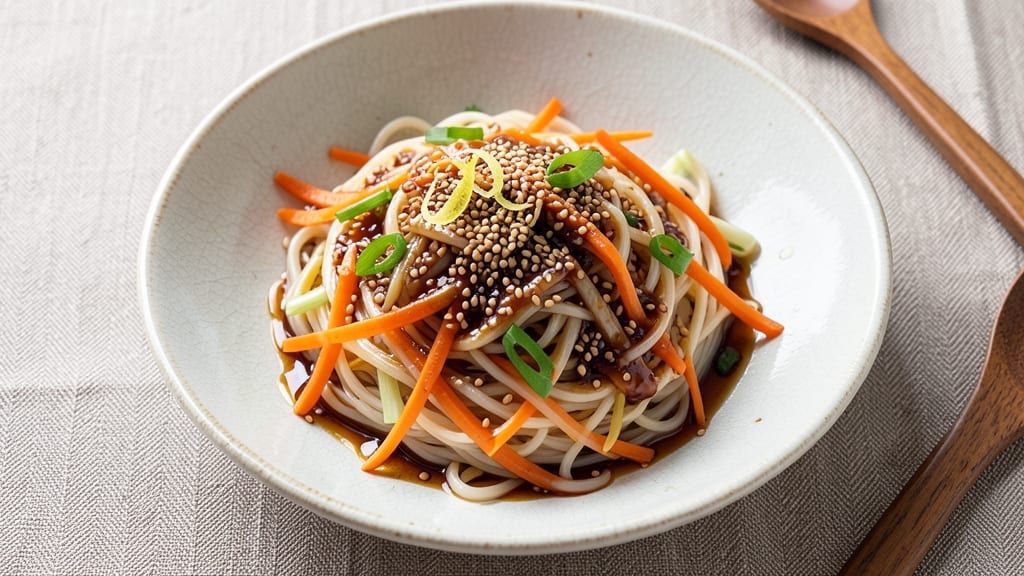
This Asian sesame noodle salad recipe delivers the perfect balance of nutty, toasted sesame crunch and silky dressing that clings to every strand.
The secret lies in properly cooling cooked noodles to prevent mushiness, then tossing them with a dressing made from toasted sesame oil, soy sauce, and a touch of chili for depth. I've perfected this dish over years of testing, ensuring the textures and flavors work together harmoniously.
The foundation starts with chewy noodles—whether rice or soba—which absorb the dressing beautifully without becoming soggy. A quick toast of sesame seeds in the pan adds that essential crunch, while fresh toppings like shredded carrots, cucumber, and cilantro bring brightness and texture.
The dressing, with its silky sesame base and subtle heat, ties everything together in one cohesive bite.
What makes this salad truly special is how the flavors develop as it sits. The sesame seeds release their aroma, the dressing penetrates the noodles, and the vegetables soften just enough to become tender rather than limp.
Each forkful delivers a perfect combination of chewy noodles, nutty crunch, and silky dressing that coats every strand.
This dish works equally well as a light lunch, dinner side, or even a hearty meal when paired with grilled protein. The recipe scales easily, making it perfect for meal prep or sharing with friends. Let's create this satisfying, restaurant-quality salad at home.
Ingredients for asian sesame noodle salad
Toasted sesame seeds, silky dressing, and chewy noodles—this salad delivers restaurant-quality crunch and flavor.
| Ingredient | Amount | Notes |
|---|---|---|
| Rice Noodles 🍜 | 8 oz | Fresh or dried, chewy variety |
| Sesame Seeds 🥜 | ¼ cup | Toasted for maximum aroma |
| Sesame Oil 🫒 | ½ cup | Toasted, not regular cooking oil |
| Soy Sauce 🥄 | ⅓ cup | Low-sodium preferred |
| Rice Vinegar 🍶 | ¼ cup | White or seasoned |
| Carrots 🥕 | 1 medium | Shredded, not grated |
| English Cucumber 🥒 | 1 whole | Seeded, thinly sliced |
| Fresh Cilantro 🌿 | ⅓ cup | Chopped, stems removed |
| Red Chili Flakes 🌶️ | 1 tsp | Adjust for heat preference |
| Garlic Cloves 🧄 | 3 cloves | Minced, fresh preferred |
| Sesame Sugar 🍚 | 2 tbsp | Or regular sugar |
| Lime Juice 🍋 | 2 tbsp | Freshly squeezed |
| Vegetable Oil 🫒 | 1 tbsp | For toasting sesame seeds |
| Salt 🧂 | 1 tsp | Kosher or sea salt |
The noodles are non-negotiable—rice or soba with a satisfying chew. Martini or Lotus brands are my go-to for that perfect texture. For the sesame seeds, toast them in a dry pan until golden and fragrant—this is where the magic happens. The seeds should smell like a warm bakery when done. If you can't find toasted sesame oil, lightly toast regular sesame oil in a pan first—it transforms the flavor completely. Fresh garlic and ginger are ideal, but if you're using dried, double the amount since they're less potent.
No sesame seeds? Toasted peanuts or cashews add crunch, though they change the flavor profile. Short on rice vinegar? Apple cider vinegar works in a pinch, but the salad will taste slightly sharper. The carrots can be baby carrots if you're in a hurry, but shredded julienne carrots give that perfect texture. For extra brightness, add a handful of thinly sliced bell pepper—red or yellow work beautifully. The dressing keeps well for 5 days in the fridge, so make extra for another meal.
Store the dressing separately from the noodles and veggies to keep everything crisp. Prep the salad components ahead—cook the noodles, chop the veggies, and make the dressing—then assemble right before serving. The flavors meld beautifully over 15-20 minutes at room temperature, so don't rush this part. This salad keeps for 3 days in the fridge, but the noodles get softer with time—best to eat within 2 days for maximum crunch.
Why You'll Love This Recipe
- No Boil, No Stress: I just rinse the rice noodles in hot water for 2 minutes—no pot, no mess. That sesame oil and soy sauce combo hits like a flavor jackpot with zero effort.
- Umami Bomb: The toasted sesame seeds on top? Crunchy, nutty, and chef’s kiss—they turn this into something restaurant-worthy. Honestly, I’ll take that over fussy dressings any day.
- Lunchbox Hero: Pack it cold or at room temp—it keeps its texture for hours. My kids grab it for school lunches, and I sneak leftovers for my lunch the next day. (Yes, even on a Tuesday night.)
- Pantry Staple Magic: You’re already using what’s in your cupboard—no specialty shopping. That sesame oil alone makes it taste like you spent hours cooking, but it’s really just 15 minutes of mixing. My secret weapon for busy weeks.
Step-by-step instructions for Asian sesame noodle salad
Here's how to create that perfect balance of nutty crunch and silky dressing—every bite is packed with flavor.
Toast the Sesame Seeds for Maximum Flavor
Heat a small skillet over medium heat and add 1 tablespoon vegetable oil. Once the oil shimmers, add 0.25 cup sesame seeds and stir constantly for 2-3 minutes until they turn a rich golden brown and release a toasty aroma. This step is non-negotiable—the toasted seeds add depth that raw seeds can't match.
Remove the pan from heat immediately and transfer the seeds to a small bowl. Let them cool for 5 minutes before crushing about half of them lightly between your palms. This creates a mix of whole seeds for texture and crushed seeds for flavor distribution. Keep the toasted seeds nearby—they'll be your finishing touch.
Prepare the Silky Sesame Dressing
In a medium bowl, whisk together 0.5 cup sesame oil, 0.33 cup soy sauce, 0.25 cup rice vinegar, 2 tablespoons sesame sugar, 2 tablespoons lime juice, 1 teaspoon salt, and 1 teaspoon red chili flakes. Start with low heat if you prefer less spice—you can always add more chili flakes later.
Taste the dressing and adjust the balance: need more tang? Add another splash of lime juice. Want it sweeter? Stir in a pinch more sesame sugar. The dressing should coat the back of a spoon with a velvety texture—this is your flavor foundation, so don't rush this step. Let it sit for 2 minutes while you prepare the remaining ingredients.
Cook and Prepare the Rice Noodles
Bring a medium pot of water to a rolling boil. Add 8 oz rice noodles and cook for 3-4 minutes until they're tender but still slightly firm to the bite. Drain immediately in a colander and rinse under cold water for 30 seconds to stop the cooking process and prevent them from sticking together.
Transfer the noodles to a large mixing bowl and toss them with 1 tablespoon vegetable oil while still slightly damp. This oil coating prevents the noodles from clumping and helps them absorb the dressing evenly. Let them cool for 5 minutes before adding other ingredients—warm noodles will turn mushy when mixed with cold vegetables.
Assemble the Crunchy Vegetable Medley
Using a julienne peeler or sharp knife, shred 1 medium carrot into thin strips. For the cucumber, cut 1 whole English cucumber in half lengthwise, scoop out the seeds with a spoon, then slice thinly into half-moons. Chop 0.33 cup fresh cilantro, removing any tough stems. In a separate bowl, combine the carrots, cucumber, and cilantro.
Add 3 cloves minced garlic to the vegetable mixture and toss gently. The garlic will infuse flavor without overpowering—this is where the fresh, bright notes come through. Keep this mixture separate until you're ready to combine everything, as cucumbers release water when chopped and you want to control that moisture.
Combine and Finish with Perfect Texture
Pour the prepared dressing over the cooled noodles and toss gently but thoroughly to coat evenly. Add the garlic-infused vegetable mixture and toss again, being careful not to break the cucumber slices. The noodles should glisten with dressing but not appear soggy—if they do, add a few more tosses to redistribute.
Sprinkle the reserved toasted sesame seeds (both whole and crushed) evenly over the salad. Give one final toss to distribute the seeds throughout. Serve immediately while the noodles are still warm and the vegetables retain their crisp texture. The contrast of silky noodles, crunchy vegetables, and nutty sesame seeds makes this salad irresistible.
Pro Tips For Making Asian Sesame Noodle Salad
- SOAK NOODLES CORRECTLY: Rice noodles stick together like glue if you don’t soak them right. Use just enough hot water to cover (about 1 cup per 3 oz noodles) and let them sit for 8–10 minutes until pliable but still slightly firm—over-soaking turns them mushy. Drain immediately and rinse with cold water to stop cooking.
- TOAST SESAME SEEDS LOW: I learned this the hard way—blasting sesame seeds in a dry pan burns them fast. Instead, heat them over low-medium for 2–3 minutes, stirring constantly, until they’re golden and smell nutty. Remove them immediately or they’ll turn bitter.
- BALANCE SALTY AND TANGY: Soy sauce and rice vinegar fight for dominance here. Start with a 2:1 ratio (soy to vinegar) and taste as you go—add vinegar first if it’s too heavy, or a splash of water if the sauce is too thick. The dressing should coat the noodles without overpowering.
- UPGRADE WITH COLD NOODLES: Tossing hot noodles with dressing makes a soggy mess. Cook them al dente, drain, and rinse under cold water to cool them fast. Then mix in the dressing—they’ll absorb flavor better and hold their shape. (Yes, even if you’re impatient like me.)
Creative variations of these flavors
Spicy Peanut Twist
Swap sesame oil for ½ cup peanut butter (creamy, unsweetened) and add 1 tbsp sriracha to the dressing. Use ½ cup crushed peanuts instead of sesame seeds for crunch. This Thai-inspired variation keeps the same silky texture but adds rich, nutty depth with a kick. 🌶️
Protein-Packed Additions
For a heartier meal, fold in ½ cup cooked shrimp (quickly blanched in boiling water for 30 seconds) or ½ cup cubed tofu (pan-fried in 1 tbsp sesame oil until golden).
Both add protein without overpowering the delicate flavors. I like adding shrimp in the last minute to keep them plump and tender.
Herb-Infused Variations
Swap cilantro for ¼ cup chopped mint and ¼ cup Thai basil for a fragrant Southeast Asian twist. Add 1 tsp grated ginger to the dressing for warmth.
This version pairs beautifully with grilled chicken or steak. The herbs release their aroma when tossed with warm noodles, creating an aromatic experience.
Sweet and Tangy Fusion
Boost the dressing with 1 tbsp honey and 1 tsp grated ginger, then top with ¼ cup dried cranberries and 2 tbsp chopped pecans. This sweet-and-sour variation works wonderfully as a side for pork or as a standalone dessert-like salad.
The cranberries add a burst of tartness that balances the nutty richness.
Cold vs. Warm Noodles
For a refreshing twist, chill the noodles in an ice bath for 5 minutes after cooking. This creates a crisp, almost "spring roll" texture that contrasts beautifully with warm toppings. Alternatively, serve warm noodles with a soft-boiled egg (sliced) and crispy fried shallots for a comforting, umami-rich bowl. 🥚
Nutrition facts
Frequently asked questions
Can I use dried rice noodles instead of fresh?
Yes, but soak them first! Dried rice noodles need 5-8 minutes in warm water until pliable and tender. Drain and rinse immediately with cold water to stop cooking. The key is to avoid overcooking—they should have a slight bite. For extra texture, try soba noodles instead—they hold up better to tossing and add a nutty flavor.
How do I prevent the noodles from turning mushy?
Cool them properly! After cooking, rinse noodles under cold water for 30 seconds to stop the cooking process, then toss with 1 tablespoon oil while still damp. Let them cool completely before adding dressing and veggies. Also, work in a large mixing bowl to avoid overcrowding—this helps maintain their shape. The colder the noodles, the better they'll hold up to tossing.
What's the best way to store leftovers?
Keep components separate! Store the dressing in one container and the noodles/veggies in another. Refrigerate for up to 3 days, but toss with fresh dressing before serving. For best texture, eat within 2 days. If you must reheat, microwave the noodles separately for 20 seconds with a splash of water to restore chewiness. The vegetables will stay crisp if kept dry.
Can I make this gluten-free?
Use rice noodles (already gluten-free) and swap soy sauce for tamari (gluten-free soy sauce). Check that sesame oil and sugar are certified gluten-free. For extra flavor, add 1 tsp grated ginger or 1 tbsp lime zest to the dressing. The recipe maintains all its nutty, silky qualities while being completely safe for gluten-sensitive diets.
Why does my dressing taste too strong?
Balance is key! If the dressing tastes too salty, add 1-2 tbsp lime juice or 1 tsp honey. Too sweet? Stir in ½ tsp rice vinegar or a pinch of salt. For a more mellow flavor, reduce the soy sauce by 1 tablespoon and add 1 tbsp water. The dressing should coat the back of a spoon smoothly—adjust gradually until you find the perfect harmony.