
Salads
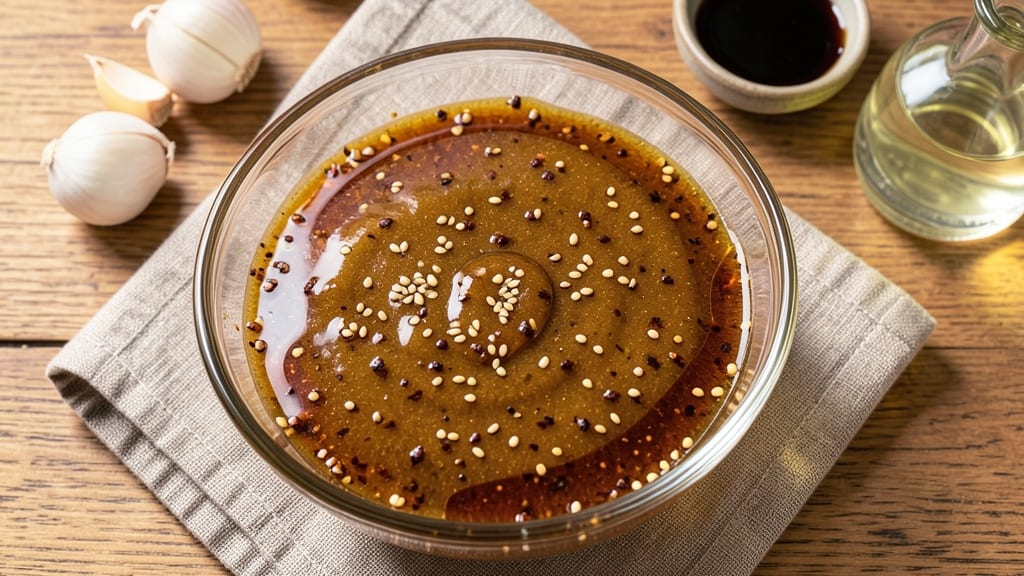
This Asian toasted sesame salad dressing recipe transforms simple ingredients into a nutty, umami-rich sauce that elevates every dish it touches. The secret lies in toasting whole sesame seeds until they release their deep, toasty aroma—something store-bought versions can never match.
With just five ingredients and 10 minutes of prep, you'll create a dressing so versatile it works on salads, noodles, or even as a marinade.
The foundation starts with toasted sesame oil, which carries the dressing's signature flavor, followed by a balance of soy sauce for saltiness, rice vinegar for tang, and a touch of maple syrup to round out the sweetness.
What sets this apart is the fresh garlic and ginger, which infuse the dressing with bright, aromatic depth. The texture is silky yet clings beautifully to greens or grains, ensuring every bite is packed with flavor.
What makes this recipe truly special is its adaptability—use it as a base for Asian-inspired salads, drizzle over steamed vegetables, or toss with cold noodles for an instant upgrade. The dressing keeps well in the fridge for up to a week, making it perfect for meal prep.
Whether you're a seasoned cook or just starting out, this foolproof method delivers restaurant-quality results with minimal effort.
For an extra layer of complexity, consider adding a splash of chili oil or a sprinkle of sesame seeds before serving. The possibilities are endless, but the foundation remains the same: bold, balanced, and impossible to resist. Let's get started on creating your own batch of this nutty, umami-packed dressing.
Ingredients for asian toasted sesame salad dressing
Five simple ingredients transform into a restaurant-quality dressing with bold umami and toasty depth.
| Ingredient | Amount | Notes |
|---|---|---|
| Toasted Sesame Oil 🫒 | ½ cup | High-quality, nutty aroma |
| Whole Sesame Seeds 🌾 | ¼ cup | Toasted until golden brown |
| Soy Sauce 🥢 | ⅓ cup | Low-sodium preferred |
| Rice Vinegar 🍶 | ¼ cup | Seasoned or unseasoned |
| Pure Maple Syrup 🍁 | 2 tbsp | Grade B for depth |
| Fresh Garlic Cloves 🧄 | 3 cloves | Minced for aromatic punch |
| Fresh Ginger Root 🌿 | 1 tbsp | Finely grated, zesty |
| Red Chili Flakes 🌶️ | ½ tsp | Optional for heat |
| Sesame Seeds 🌾 | 1 tbsp | For garnish, toasted |
The sesame seeds are the heart of this dressing—toast them in a dry pan over medium heat until they turn golden brown and release their nutty aroma (about 3-4 minutes). Whole Foods or Trader Joe's carry high-quality sesame seeds, but any grocery store bulk bin works. Skip the pre-toasted—freshly toasted seeds make all the difference. The sesame oil should be 100% pure, toasted sesame oil (no additives), which you'll find in the Asian foods aisle or online. If you can't find it, toast your own seeds, strain them, and use the oil from the strainer.
No toasted sesame oil? Toast your own seeds as mentioned, then strain through a fine-mesh sieve to extract the oil. Substitute with regular sesame oil, but the flavor will be milder. For the garlic and ginger, fresh is non-negotiable—jarred minced garlic lacks the bright, aromatic punch. If you're short on time, peeled garlic cloves can be microwaved for 30 seconds to soften before mincing. The maple syrup adds subtle sweetness; if you prefer, agave nectar or coconut sugar work equally well. For extra heat, add a dash of sriracha or chili garlic sauce instead of red chili flakes.
This dressing keeps beautifully in an airtight jar in the fridge for up to 1 week, though the flavor actually deepens over time. For longer storage, freeze in ice cube trays and transfer to a bag—perfect for single-use portions. Shake well before each use, as the sesame seeds may settle. Garnish with extra toasted sesame seeds before serving for texture and visual appeal. The dressing thickens slightly when chilled, so thin with a splash of water or vinegar if needed.
Why You'll Love This Recipe
- Five-Ingredient Magic: I swear by this—just toast the sesame seeds in a dry pan for 2 minutes, then whisk them with the oil, soy sauce, vinegar, and maple syrup. No measuring cups, no fancy tools, just a bowl and a spoon. That’s it.
- Umami Bomb: The toasted sesame oil alone gives it this deep, nutty richness, but the soy and maple syrup? They balance it perfectly—salty, sweet, tangy, all in one drizzle. Honestly, I’ve ruined perfectly good salads before just to make this dressing again.
- Salad Game-Changer: Slather it on greens, toss it with cold noodles, or drizzle it over grilled chicken—it works everywhere. I keep a jar in my fridge for those nights when I’m too tired to think but still want flavor. (Yes, even on a Tuesday night.)
- Budget Bright Spot: Sesame seeds and oil are cheap, and a little goes a long way. I’ve made this for years, and the bottle of soy sauce lasts months between uses. Plus, the maple syrup adds a touch of luxury without breaking the bank. Smart money move.
Step-by-step instructions for Asian toasted sesame salad dressing
This dressing delivers bold umami and nutty depth with just a few simple steps.
Toast the Sesame Seeds for Maximum Flavor
Heat a dry skillet over medium heat and add the 0.25 cup whole sesame seeds. Toast them for 3-4 minutes, stirring constantly, until they turn a rich golden brown and release their nutty aroma. This step is crucial—it deepens the flavor profile beyond what store-bought seeds offer. Watch closely to prevent burning, which can make the seeds bitter. Once toasted, immediately transfer them to a small bowl and set aside to cool.
While the seeds toast, measure out the 0.5 cup toasted sesame oil in a separate bowl. This oil should have a rich, nutty aroma—if yours smells faint, consider toasting it briefly in the same skillet for 1 minute to enhance its flavor. Let it cool slightly before using to avoid thinning the dressing prematurely.
Blend the Wet Ingredients to a Smooth Base
In a blender or food processor, combine the 0.33 cup soy sauce, 0.25 cup rice vinegar, 2 tbsp pure maple syrup, 3 cloves fresh garlic cloves, and 1 tbsp fresh ginger root. Blend until completely smooth, scraping down the sides as needed. The garlic and ginger should be fully incorporated, creating a fragrant, slightly spicy base. This mixture forms the backbone of your dressing, balancing sweet, salty, and aromatic notes.
Taste the blend before proceeding. You'll notice a bright acidity from the rice vinegar and a deep umami from the soy sauce. If the flavor feels too sharp, add a pinch of the 0.5 tsp red chili flakes now—this is where you can adjust the heat level to your preference. The maple syrup should mellow the acidity while adding subtle caramel notes.
Emulsify the Dressing for Silky Texture
With the blender running on low speed, slowly drizzle in the 0.5 cup toasted sesame oil while simultaneously adding the toasted sesame seeds. This gradual incorporation prevents the oil from separating and creates a rich, velvety emulsion. Blend for 30-45 seconds until the dressing thickens slightly and coats the back of a spoon. The texture should be smooth but still pourable—if it's too thick, thin with 1 teaspoon water at a time.
For an extra layer of complexity, pulse in the 0.5 tsp red chili flakes now if you omitted them earlier. The heat will distribute evenly throughout the dressing. Give it one final taste and adjust seasoning: a splash of rice vinegar for brightness, a drizzle of maple syrup for sweetness, or a pinch of soy sauce for saltiness. The dressing should balance all flavors harmoniously.
Rest and Prepare for Use
Transfer the dressing to a clean jar or airtight container and let it rest at room temperature for 15-20 minutes. This resting period allows the flavors to meld completely, resulting in a more cohesive taste. The dressing will thicken slightly as it cools—if it becomes too thick before using, whisk in 1-2 teaspoons of water to reach your desired consistency.
Before serving, give the dressing a final stir and garnish with the 1 tbsp sesame seeds reserved for garnish. These toasted seeds add visual appeal and an extra nutty crunch. This dressing keeps well in the refrigerator for up to 2 weeks, making it perfect for meal prep. Shake or whisk before each use to re-emulsify if needed.
Pro Tips For Making Asian Toasted Sesame Salad Dressing
- Toast the Seeds First: Don’t just toss raw sesame seeds into the dressing—they’ll just sit there like decorative rocks. Lightly toast them in a dry pan over medium heat for 30 seconds until they smell nutty and fragrant. Let them cool completely before grinding or adding, or they’ll release bitterness into the dressing. (Yes, I’ve done this. It’s not pretty.)
- Balance the Soy Sauce: Soy sauce is salty, maple syrup is sweet, and rice vinegar is sharp—if you don’t dial them in, the dressing turns into a one-note punch. Taste as you go: start with 1 tablespoon soy sauce, then adjust the vinegar and syrup in ½-teaspoon increments until it’s complex, not cloying. I used to eyeball it and end up with something that tasted like a misplaced marinade.
- Whisk in Stages: Dump all ingredients in at once and you’ll end up with a gloopy mess. Start with the rice vinegar and maple syrup, whisk until smooth, then slowly drizzle in the toasted sesame oil while whisking vigorously—this emulsifies the dressing so it coats greens evenly. If it separates later, just give it a quick shake before using. (It happens. Don’t panic.)
- Use Real Sesame Oil: That cheap "sesame-flavored" oil in the international aisle? Skip it. Real toasted sesame oil has a deep, nutty aroma that’s the soul of this dressing. Buy the good stuff (like Kikkoman or a small-batch brand) and use it sparingly—just 1 teaspoon at first. I learned this after making a batch that tasted like a failed attempt at fried noodles.
Regional styles of this dish
Japanese Shoyu Style
In Japan, this dressing takes on a lighter, more delicate profile using shoyu (soy sauce) instead of regular soy sauce. Replace the 0.33 cup soy sauce with 0.33 cup shoyu and add 1 tbsp mirin for sweetness.
The result is a cleaner, more refined flavor perfect for sunomono (cucumber salads) or drizzled over sashimi. I love using Kikkoman shoyu for its balanced umami. 🌸
Thai-Inspired Chili Sesame
For a Thai twist, swap the rice vinegar for 0.25 cup lime juice and add 1 tbsp fish sauce (or soy sauce for vegan). Increase the red chili flakes to 1 tsp and add 1 tsp palm sugar instead of maple syrup.
This version pairs beautifully with green papaya salad or grilled tofu. The tangy, spicy kick makes it a crowd-pleaser. 🌶️
Korean Gochujang Variation
Korean cuisine brings bold, fermented heat to this dressing. Replace the soy sauce with 0.33 cup gochujang (Korean chili paste) and reduce the maple syrup to 1 tbsp. Add 1 tsp sesame oil extra for richness.
This version is perfect for kimchi fried rice or cold noodle bowls. I recommend Maesil Gochujang for its sweet-spicy balance. 🍚
Vietnamese Nuoc Cham Fusion
In Vietnam, this dressing transforms into a nuoc cham inspiration. Replace the rice vinegar with 0.25 cup fish sauce (or soy sauce) and add 1 tbsp lime juice. Use 1 tsp sugar instead of maple syrup and add 1 tsp finely chopped cilantro.
This version shines on fresh spring rolls or rice paper rolls. The bright, herby notes elevate any dish. 🌿
Chinese Black Vinegar Twist
For a Chinese-inspired take, use 0.25 cup black vinegar instead of rice vinegar and add 1 tsp grated ginger extra. The deep, funky flavor pairs wonderfully with cold sesame noodles or steamed greens.
I love Lee Kum Kee black vinegar for its authentic taste. This version has a complex, almost smoky depth. 🏯
Nutrition facts
Frequently asked questions
Can I make this dressing without a blender?
Yes! For a chunkier texture, whisk all ingredients together in a bowl using a fork or hand whisk. Start with the wet ingredients (soy sauce, vinegar, maple syrup) and gradually add the toasted sesame oil while whisking vigorously. For extra flavor, pulse the garlic and ginger in a mini food processor first, then whisk into the bowl. The texture will be slightly less smooth but still delicious!
How do I prevent the dressing from separating?
Emulsification is key! Always add the sesame oil slowly while blending on low speed. If separation occurs, whisk vigorously or blend again for 10-15 seconds. For extra insurance, add 1/2 teaspoon xanthan gum (common in baking) when blending the wet ingredients. This thickener helps stabilize the emulsion beautifully.
What salads work best with this dressing?
This dressing shines on Asian-inspired salads like cucumber and carrot, shredded cabbage, or mixed greens. It also elevates sesame noodle salads and rice bowls. For a heartier option, toss it with grilled tofu or edamame. The nutty depth pairs especially well with crunchy vegetables and soft proteins.
Can I use this dressing as a marinade?
This dressing makes an excellent marinade for tofu, chicken, or fish. Let proteins marinate for 20-30 minutes (tofu can handle longer). For extra flavor, add 1 tablespoon cornstarch to thicken before marinating. The sesame and umami notes will create a delicious crust when cooked. Just pat dry before cooking to prevent steaming.
What's the difference between toasted sesame oil and regular sesame oil?
Toasted sesame oil has a deep, nutty aroma from being cooked until the sesame seeds release their oils, while regular sesame oil is lighter and more neutral. For this recipe, toasted oil is essential for that authentic, rich flavor. If you can't find it, toast your own seeds (as in the recipe) and strain them to extract the oil. The flavor difference is dramatic!