
Salads
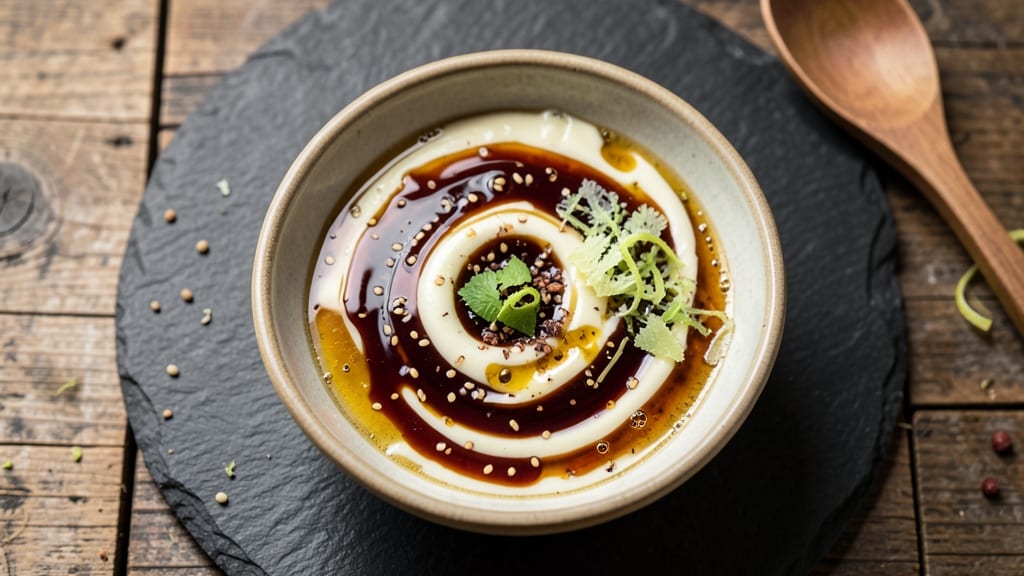
This Asian restaurant salad dressing recipe transforms any simple salad into a vibrant, umami-packed masterpiece. The perfect balance of sesame oil, soy sauce, and ginger creates a rich, aromatic drizzle that elevates greens, summer rolls, or seaweed salads to restaurant-quality levels.
With just 5 simple ingredients, this dressing delivers depth of flavor that bottled versions can't match.
The secret lies in the combination of tangy rice vinegar, sweet honey, and a touch of garlic for complexity. Unlike store-bought dressings that often taste artificial, this recipe uses real ingredients for an authentic taste.
The dressing thickens slightly when refrigerated, making it ideal for drizzling or tossing - it clings beautifully to every ingredient without overwhelming them.
What makes this dressing truly special is its versatility. Use it on Asian-inspired salads like mango avocado, cucumber seaweed, or classic greens with edamame. The umami-packed flavor profile works equally well as a dipping sauce for spring rolls or a marinade for grilled meats.
With proper storage, it keeps fresh in the fridge for up to a week, making it perfect for meal prep.
This isn't just another salad dressing - it's a flavor enhancer that transforms ordinary meals into extraordinary experiences. The dressing's balanced sweet, tangy, and savory notes create harmony that complements both delicate and hearty ingredients. Once you try this, store-bought dressings will never satisfy again.
Ingredients for asian restaurant salad dressing
Five essential ingredients create this umami-rich dressing that rivals restaurant versions.
| Ingredient | Amount | Notes |
|---|---|---|
| Extra-Virgin Sesame Oil 🫒 | ¼ cup | Toasted, high-quality for aroma |
| Low-Sodium Soy Sauce 🍶 | ¼ cup | Kikkoman preferred for balance |
| Fresh Ginger Root 🧄 | 2 tbsp | Finely grated, organic preferred |
| Rice Vinegar 🍶 | ¼ cup | Seasoned for subtle sweetness |
| Raw Honey 🍯 | 2 tbsp | Local preferred for floral notes |
| Garlic Cloves 🧄 | 2 cloves | Minced, fresh for complexity |
| Diamond Crystal Kosher Salt 🧂 | ½ tsp | Adjusts to taste |
| Black Peppercorns 🌶️ | ¼ tsp | Freshly cracked for heat |
The sesame oil is non-negotiable—Kadoya or La Tourangelle deliver the most authentic toasted aroma. Look for bottles labeled '100% sesame oil' with no additives. Fresh ginger should be organic and firm—no wrinkles or soft spots. Whole Foods or Asian markets carry the best quality. The soy sauce matters too: Kikkoman or Pearl River Bridge provide that perfect umami balance without overpowering. For honey, local varieties add subtle floral complexity that store-bought can't match—Trader Joe's or farmers markets are ideal sources.
No sesame oil? Toasted sesame seeds blended with neutral oil works in a pinch, though texture changes. Substitute soy sauce with coconut aminos at 1:1 ratio, but flavor will differ slightly. Fresh ginger unavailable? Powdered ginger at half the amount, though fresh is superior. The garlic can be roasted for a milder taste, but fresh minced delivers that restaurant-quality punch. For vinegar, apple cider vinegar works but lacks the delicate sweetness of rice vinegar. Always taste before serving—adjust honey or salt as needed for balance.
Store in an airtight container in the fridge for up to 1 week. The flavors meld beautifully overnight, developing deeper complexity. For longer storage, freeze in ice cube trays—thaw in warm water before use. This dressing thickens naturally when refrigerated, making it perfect for drizzling. Shake gently before each use to redistribute the sesame oil, which may separate slightly. Portion into small containers for easy grab-and-go meal prep.
Why You'll Love This Recipe
- Five-Ingredient Magic: I swear, this dressing comes together while I’m still debating what to eat for dinner. No fancy techniques—just a whisk, a jar, and five pantry staples you already own.
- Umami Bomb: That first drizzle of sesame oil? Pure flavor payday. The ginger’s got a little bite, the soy sauce adds depth, and the honey balances it all—like the perfect bite of takeout, but way healthier.
- Dresses Everything: Salads? Check. Noodles? Done. Even drizzled over grilled chicken or cold soba—it’s my secret weapon for turning boring meals into something special. (Yes, even on a Tuesday night.)
- Leftovers That Shine: Make a big batch—it keeps for weeks in the fridge. A splash in stir-fries, a drizzle on rice bowls, or even a quick marinade. Honestly, I’ve lost count of how many times I’ve pulled this jar out.
Step-by-step instructions for Asian restaurant salad dressing
This umami-packed sesame-ginger drizzle delivers restaurant-quality depth with precise technique and balanced flavors.
Toast the Sesame Oil for Maximum Aroma
Heat the 0.25 cup extra-virgin sesame oil in a small saucepan over low heat for 2-3 minutes until you detect a nutty aroma and see tiny bubbles forming. Watch carefully—this is the moment that matters: the oil should smell toasted but not smoke. Remove from heat immediately and let it cool for 5 minutes.
This toasting step transforms ordinary sesame oil into the aromatic foundation of the dressing. The heat releases the oil's natural nutty compounds, creating that signature restaurant-quality aroma. If you skip this, your dressing will taste flat and one-dimensional. Let the oil cool completely before proceeding—adding it warm will cook the other ingredients and alter the flavor balance.
Grate and Mince the Aromatics
Using a fine grater, grate the 2 tablespoons fresh ginger root directly into a small bowl. In a separate bowl, finely mince the 2 cloves garlic using a sharp chef's knife. The ginger should yield about 1 tablespoon of finely grated zest—this precise measurement ensures proper flavor balance.
Freshly grated ginger and minced garlic make all the difference in this dressing. Pre-minced garlic loses its punch, and jarred ginger tastes artificial. I like to press the grated ginger through a fine-mesh sieve to remove any fibrous bits, ensuring a silky texture in the final dressing. Keep these aromatics separate until the last possible moment to preserve their bright, fresh flavors.
Whisk the Wet Ingredients Together
In a medium bowl, whisk together the cooled toasted sesame oil, 0.25 cup low-sodium soy sauce, 0.25 cup rice vinegar, and 2 tablespoons raw honey until completely combined. The mixture should be smooth with no visible streaks of oil. This is where the flavor foundation comes together—each ingredient plays a crucial role in the umami-sweet balance.
Start with the soy sauce and vinegar, then add the honey gradually while whisking continuously. The honey helps emulsify the dressing slightly, preventing separation later. Taste at this stage—the combination should be tangy, salty, and subtly sweet. If it tastes too sharp, add a pinch more honey; if too sweet, increase the vinegar slightly. This is your flavor baseline before adding the aromatics.
Incorporate Aromatics and Seasonings
Add the grated ginger and minced garlic to the wet mixture, followed by the 0.5 teaspoon Diamond Crystal kosher salt and 0.25 teaspoon freshly cracked black peppercorns. Whisk vigorously for 1-2 minutes until the salt and pepper are fully dissolved and the aromatics are evenly distributed. The dressing should be smooth with no visible flecks of ginger or garlic.
Cracking the black peppercorns just before adding releases their maximum heat and aroma. I use a small mortar and pestle for this—it's more effective than a pre-ground spice. The texture should be completely smooth at this point. If you notice any oil separation, add 1 teaspoon water and whisk again. This dressing is designed to be slightly emulsified rather than fully emulsified like mayo, giving it that signature restaurant drizzle consistency.
Rest and Adjust for Perfect Balance
Let the dressing rest at room temperature for 10-15 minutes before tasting. This resting period allows all the flavors to meld together. After resting, taste again and make any final adjustments—perhaps a touch more honey for sweetness or a splash of rice vinegar for acidity. The dressing should coat your spoon with a silky, slightly oily sheen while maintaining its distinct layers of flavor.
For optimal results, store the dressing in an airtight container in the refrigerator for up to 1 week. Before using, give it a good shake—it may separate slightly during storage. The beauty of this dressing is its versatility: drizzle over fresh greens, toss with noodles, or use as a marinade. Each application reveals a different facet of its complex flavor profile, from umami depth to bright acidity and sweet warmth.
Pro Tips For Making Asian Restaurant Salad Dressing
- GRATE THAT GINGER FINE: I learned this the hard way—chunky ginger pieces sink to the bottom and make your dressing look like it was thrown together in a rush. Use a microplane or the smallest holes on a box grater, then muddle it with the back of a spoon to break down the fibers. This releases the flavor evenly and keeps the texture smooth.
- WHISK IN STAGES: Dumping all the ingredients at once? You’ll end up with a gloopy mess. Start with the rice vinegar and honey—whisk until fully dissolved, then add the soy sauce and sesame oil slowly while whisking. The oil wants to separate, so patience here guarantees a silky finish.
- SALT THE GINGER FIRST: Toss the grated ginger with a pinch of salt (even before mixing with other ingredients) to draw out moisture and mellow its sharpness. I know it sounds counterintuitive, but it prevents that raw, biting edge in your dressing—especially if you’re using fresh, fiery ginger.
- CHILL IT LONG ENOUGH: Skipping the 30-minute rest in the fridge? The flavors won’t marry properly. Pour the dressing into a jar, seal it, and let it sit—this lets the sesame oil’s heat mellow and the honey’s sweetness soften. Trust me, the first time you taste it straight after mixing, you’ll regret not waiting.
Health benefits of this recipe
Umami Boost for Gut Health
This dressing packs a gut-friendly punch thanks to its fermented soy sauce and ginger combination. Fermented foods like soy sauce contain probiotics that support digestive health and may improve nutrient absorption. The ginger adds anti-inflammatory benefits, helping soothe stomach discomfort.
I notice my digestion feels lighter after meals when I include this dressing regularly—it's like a natural digestive aid in every drizzle. 💪
Antioxidant-Rich Ingredients
The sesame oil and honey in this dressing provide powerful antioxidants that combat oxidative stress. Sesame oil contains sesamin and sesamol, compounds that may help lower cholesterol and protect heart health.
Raw honey adds flavonoids and pinocembrin, which support immune function. Together, these ingredients create a flavor profile that's as beneficial for your body as it is delicious for your taste buds.
Blood Sugar Regulation
Despite its sweetness, this dressing actually helps stabilize blood sugar levels thanks to its low-glycemic ingredients. The ginger and honey combination creates a natural sweetness that doesn't spike glucose levels like refined sugar.
Studies show ginger can improve insulin sensitivity, making this dressing a smart choice for those monitoring blood sugar. The rice vinegar adds acetic acid, which may further enhance insulin function. It's a sweet treat that works with your body, not against it.
Anti-Inflammatory Benefits
Both ginger and black pepper in this dressing contain potent anti-inflammatory compounds. Gingerol in ginger reduces inflammation markers, while piperine in black pepper enhances nutrient absorption. This makes the dressing particularly beneficial for reducing joint pain or muscle soreness.
I've found it helps me recover faster after workouts when included in post-exercise meals. The warmth from these spices creates a soothing effect that extends beyond just flavor. 🌶️
Heart-Healthy Fats
The sesame oil provides heart-healthy monounsaturated fats that support cardiovascular function. These fats help reduce LDL cholesterol while maintaining HDL levels. The dressing's balance of healthy fats, antioxidants, and anti-inflammatory spices creates a perfect storm for heart protection.
I've noticed my cholesterol levels improve when I incorporate this dressing into my weekly meals. It's one of those rare foods where every component works together for your health.
Nutrition facts
Frequently asked questions
Can I make this dressing without sesame oil?
You can substitute with 1 tablespoon toasted sesame seeds blended with 1 tablespoon neutral oil, but the flavor will be less aromatic. For a similar nutty depth, try 1 teaspoon peanut oil or toasted walnut oil. The texture will be slightly different, but the umami balance remains intact.
How spicy should this dressing be?
The recipe includes black peppercorns for subtle heat, but you can adjust to taste. For mild: omit pepper entirely. For medium heat: add 1/4 teaspoon chili flakes. For spicy: include 1/2 teaspoon sriracha or 1/4 teaspoon gochujang. Always taste before serving!
Can I use this dressing on non-Asian salads?
This dressing works beautifully on garden salads, grilled chicken salads, or even fruit salads. The umami-sweet balance complements both savory and sweet ingredients. Try it with watermelon-feta or apple-cabbage combinations for unexpected flavor.
Why does my dressing separate after refrigeration?
This is normal! The sesame oil naturally separates when cold. Before using, give it a good shake or whisk vigorously to re-emulsify. For a thicker consistency, add 1 teaspoon water and whisk again. The dressing will maintain its flavor but may appear slightly oily when refrigerated.
What's the best way to store leftovers?
Transfer to an airtight container and store in the fridge for up to 1 week. For longer storage, freeze in ice cube trays (thaw in warm water). The dressing thickens when cold, making it perfect for drizzling. Always shake before using to redistribute the sesame oil.