
Salads
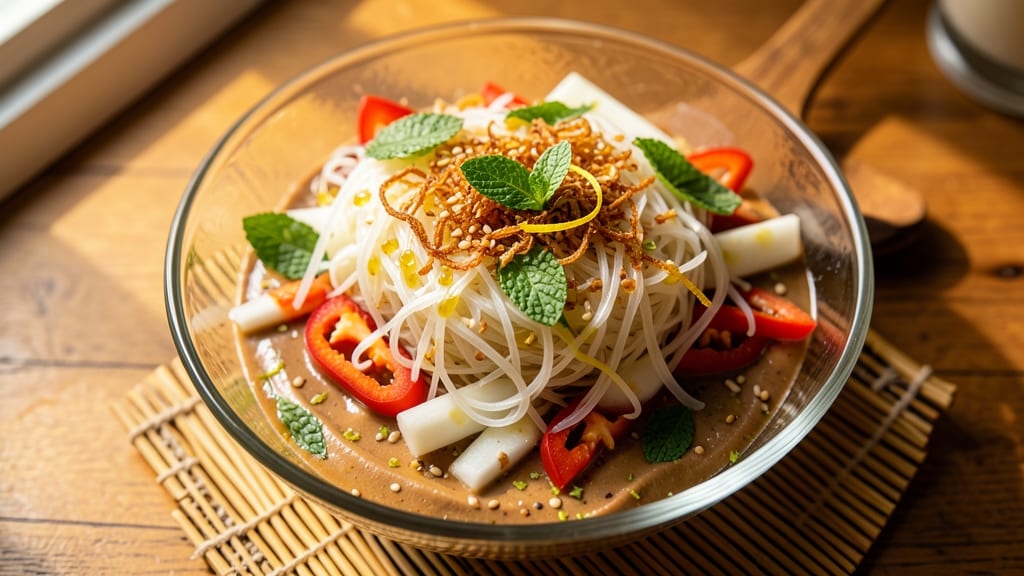
This Asian vermicelli salad recipe delivers restaurant-quality refreshment with zero cooking—just toss, chill, and serve. 🌟 The secret lies in the tangy peanut dressing, which balances sweet, savory, and umami notes perfectly, while rice noodles soak up the flavor like a sponge.
I developed this version after years of ordering takeout salads, finally cracking the code for a version that’s crisp, vibrant, and foolproof at home.
The beauty of this dish is its versatility—it’s light enough for summer lunches but hearty enough for dinner, especially when paired with grilled shrimp or crispy tofu.
The dressing, made with just 5 simple ingredients, requires no cooking either, cutting prep time to 10 minutes (plus 20 minutes chilling). The key is letting the noodles hydrate properly, so they stay tender and separate without turning mushy.
What you’ll end up with is a colorful, crunchy salad that’s packed with fresh herbs, crunchy vegetables, and protein of your choice—all coated in that addictive peanut sauce.
The contrast of textures (chewy noodles, crisp veggies, creamy dressing) makes every bite exciting, while the bright flavors keep it from feeling heavy. This is the kind of dish that transforms a simple weeknight into something special.
Serve it as a main course with a side of garlic herbs or as a refreshing appetizer before dinner. The best part? Leftovers taste even better the next day, making it perfect for meal prep. Let’s get started!
Ingredients for asian vermicelli salad
Eight essential ingredients transform into a restaurant-quality Asian vermicelli salad with zero cooking required.
| Ingredient | Amount | Notes |
|---|---|---|
| Rice Vermicelli Noodles 🍜 | 8 oz | Uncooked, thin variety preferred |
| Natural Peanut Butter 🥜 | ½ cup | Creamy, unsweetened preferred |
| Lime Juice 🍋 | ¼ cup | Freshly squeezed, about 2 limes |
| Soy Sauce 🍶 | ¼ cup | Low-sodium preferred |
| Sesame Oil 🫒 | 1 tbsp | Toasted, for authentic aroma |
| Maple Syrup 🍁 | 2 tbsp | Pure, grade B preferred |
| Fresh Cilantro Leaves 🌿 | ½ cup | Stems removed, chopped |
| Red Bell Pepper 🌶️ | 1 whole | Thinly sliced, seeds removed |
| English Cucumber 🥒 | 1 whole | Thinly sliced, seeds removed |
| Fresh Mint Leaves 🌱 | ¼ cup | Chopped, for brightness |
| Crushed Peanuts 🥜 | ¼ cup | Toasted, for garnish |
| Sesame Seeds 🌾 | 1 tbsp | Toasted, for crunch |
| Grilled Shrimp 🦐 | 1 lb | Chilled, sliced (optional protein) |
| Diamond Crystal Kosher Salt 🧂 | ½ tsp | For seasoning |
| Freshly Ground Black Pepper 🌶️ | ¼ tsp | For dressing balance |
The rice vermicelli noodles are the foundation—opt for Thai Kitchen brand if you want reliable texture, but any high-quality rice noodles work. Look for thin strands (about 0.04 inches wide) for that authentic takeout feel. Soaking time is critical: 10-15 minutes in warm water until pliable but still firm to the bite. Trader Joe's carries these pre-packaged, which saves time. Avoid the thick, chewy varieties—this dish thrives on delicate noodles that absorb the dressing without turning mushy. For extra authenticity, add a splash of warm water to the noodles while soaking to prevent clumping.
The peanut dressing is where the magic happens—creamy natural peanut butter (like Smucker's or 365 by Whole Foods) ensures no gritty texture. Lime juice should be freshly squeezed (bottled lacks brightness), and low-sodium soy sauce prevents overpowering saltiness. Maple syrup adds depth without cloying sweetness—grade B has more molasses flavor. Need a swap? Agave nectar works 1:1, but maple's caramel notes elevate the dish. The sesame oil should be toasted, not the mild variety—it carries the umami punch. For protein, grilled shrimp adds luxury, but crispy tofu or chilled rotisserie chicken work equally well. Prefer plant-based? Swap shrimp for marinated edamame—toss with a pinch of Diamond Crystal kosher salt and smoked paprika before adding.
Noodles keep best in the fridge for 3 days, but the dressing should be made fresh—it oxidizes quickly. Store components separately: noodles in a sealed container with a damp paper towel to prevent drying, dressing in a small jar with the lid snapped on. Garnishes like crushed peanuts and sesame seeds stay crisp for 5 days if stored in an airtight container. For meal prep, assemble the salad 1-2 hours before serving—this lets flavors meld without sogginess. The dressing can be doubled and kept in the fridge for up to 1 week, though it's best used within 3 days for peak flavor. Pro tip: Chill the bowl before serving—it enhances the crispness of the veggies and the creaminess of the dressing.
Why You'll Love This Recipe
- No-Boil Magic: I swear by the 10-minute soak method for those delicate rice noodles—just hot water, a quick rinse, and you’re done. No chopping, no fuss, just tender strands ready to soak up the peanut-lime dressing like a dream.
- Creamy-Tangy Fix: That peanut butter isn’t just for spreading—it’s the star here. A splash of lime cuts through its richness while soy sauce and sesame oil add depth. Honestly, the first bite makes me question why I ever ate salad without this combo.
- Lunchbox Hero: Between us, this is my go-to for packed lunches or last-minute potlucks. The noodles hold up for days, and the dressing stays vibrant. Toss in shredded carrots or cucumber if you’re feeling fancy—still, it’s foolproof.
- Pantry Goldmine: I make this when I’ve got nothing but a few staples. Peanut butter, lime, and soy sauce? That’s a $5 budget, easy. And leftovers? They taste even better the next day—cold, with extra crunch from toasted peanuts if you’re feeling bold.
Step-by-step instructions for Asian vermicelli salad recipe
This no-cook salad delivers vibrant textures and bold flavors in minutes—no heat required.
👨🍳 Step 1: Soak and Prepare the Vermicelli Noodles
Fill a large bowl with hot tap water (not boiling) and add the 8 oz rice vermicelli noodles. Let them soak for 8-10 minutes until pliable but still slightly firm—this ensures they hold shape without turning mushy. Drain immediately in a colander and rinse under cold water for 30 seconds to stop the cooking process.
Here's the thing—vermicelli continues cooking even after soaking. The cold water shock prevents over-softening while keeping them tender. Spread the drained noodles on a clean kitchen towel and gently pat dry with another towel. This step prevents a soggy salad base. Work quickly to avoid rehydration.
🥘 Step 2: Assemble the Tangy Peanut Dressing
In a medium bowl, whisk together the 0.5 cup natural peanut butter, 0.25 cup lime juice, 0.25 cup soy sauce, 1 tbsp sesame oil, and 2 tbsp maple syrup until completely smooth. The peanut butter should emulsify into a glossy, pourable consistency. If it's too thick, add 1-2 tablespoons warm water to loosen.
Taste the dressing before assembling the salad. You'll want a balance of sweet, salty, and tangy—adjust with more lime juice for acidity or maple syrup for sweetness. The sesame oil adds depth, but don't overdo it; you only need 1 tbsp for that nutty aroma without overpowering. Save a small spoonful for garnish later if needed.
🍳 Step 3: Prep and Slice the Vegetable Components
Thinly slice the 1 whole red bell pepper and 1 whole English cucumber into ¼-inch thick half-moons. Remove seeds and membranes for cleaner bites. Chop the 0.5 cup fresh cilantro leaves and 0.25 cup fresh mint leaves separately—keep them distinct for visual contrast. The mint adds brightness while cilantro provides herbal depth.
Work efficiently here to maintain crispness. Place each vegetable component in separate piles as you slice them. The bell pepper should be vibrant red, the cucumber cool and pale green, and the herbs bright green. If you notice any wilting during prep, give the vegetables a quick rinse in cold water and pat dry before proceeding.
🥘 Step 4: Build and Toss the Salad
In a large serving bowl, combine the drained vermicelli noodles with the sliced vegetables. Pour the peanut dressing over the top and gently toss everything together with clean hands or tongs. The goal is to evenly distribute the dressing without breaking the noodles. Toss just until the noodles are lightly coated—over-tossing makes them sticky.
Here's where it gets fun—sprinkle the 0.25 cup crushed peanuts and 1 tbsp sesame seeds over the top. If using the 1 lb grilled shrimp, add them now while still warm. The shrimp should be sliced into ½-inch pieces for easy eating. Let the salad sit for 5 minutes before serving to allow flavors to meld.
🍽️ Step 5: Garnish and Serve Immediately
Divide the salad among serving plates and garnish each portion with additional crushed peanuts, sesame seeds, and a drizzle of the reserved peanut dressing if needed. The shrimp should be arranged on top for visual appeal, with a few cilantro leaves fanned out beside them. Serve immediately while the vegetables are still crisp and the dressing is glossy.
This salad shines when served at room temperature, allowing all the flavors to harmonize. Each bite should deliver a perfect balance of creamy peanut, tangy lime, crisp vegetables, and the slight crunch of peanuts and sesame seeds. For extra presentation, serve with lime wedges on the side for guests to squeeze over their portions.
Pro Tips For Making Asian Vermicelli Salad
- SOAK NOODLES UNTIL FLEXIBLE: I learned this the hard way—dry, brittle noodles ruin texture. Soak rice vermicelli in warm (not boiling) water for 10-15 minutes, then drain and rinse with cold water. They should bend like wet spaghetti, not snap like straws. Over-soaking? Drain early—they’ll keep softening.
- USE WARM PEANUT BUTTER: Cold peanut butter clumps and fights the dressing. Microwave your natural peanut butter for 10-15 seconds until it’s smooth and slightly liquid—this blends better with lime and soy. (Pro tip: Mix it with a splash of hot water if it’s stubborn.)
- DRESS NOODLES IN BATCHES: Tossing all the noodles at once? You’ll end up with a soggy mess. Divide them into 2-3 portions and coat each with dressing separately. This keeps them al dente and prevents the peanut sauce from turning into a watery glaze.
- SALT THE PEANUT SAUCE: Natural peanut butter lacks salt, and skipping this step makes the dressing taste flat. Add ½ teaspoon fine sea salt to your peanut-lime-soy mix—it balances the acidity and rounds out the flavors. (Yes, even if the peanut butter claims to be "naturally salted.")
Make-ahead tips for this asian vermicelli salad
Prep Ahead Components
Break down prep into 3 stages to save time:
- Noodles,
- Dressing, and
- Veggies. Soak the 8 oz rice vermicelli in hot tap water for 10 minutes—drain and rinse immediately, then store in an airtight container with a damp paper towel.
The dressing can be made 24 hours ahead and stored in a sealed jar in the fridge; whisk before using. Chop veggies last-minute to preserve crispness, but slice the bell pepper and cucumber up to 1 day ahead and store in separate containers with paper towels to absorb moisture. 🥒
No-Cook Meal Prep
This salad is perfect for make-ahead lunches—assemble everything except the dressing and store components separately in the fridge. Keep the peanut dressing in a small jar and toss it in just before eating.
For protein prep, grill 1 lb shrimp ahead of time and chill; slice just before adding to the salad. The noodles stay fresh for 3 days in the fridge if stored properly, while the dressing holds for 1 week (though flavor peaks within 3 days).
Refrigerate garnishes like crushed peanuts and sesame seeds in airtight containers to maintain crunch. ✨
Portioning for Perfection
Divide the salad into individual containers for grab-and-go lunches—portion the noodles, veggies, and protein separately. Store the dressing in a small leak-proof container (like a mason jar) and add it fresh when ready to eat. For travel-friendly prep, use bento-style containers with compartments to keep ingredients from mixing.
Label containers with dates to track freshness—this salad tastes best within 2 days of assembly. Pro tip: Pack a small bottle of lime juice separately to squeeze over the salad just before eating for maximum brightness. 🍋
Freezer-Friendly Hacks
The dressing is the only freezer-friendly component—make a double batch and store it in ice cube trays for easy portioning. Freeze for up to 1 month; thaw overnight in the fridge before using. For noodles, do not freeze—they turn mushy when thawed.
Instead, soak and store them in the fridge as directed. If you must prep ahead for a party, assemble the salad 4 hours before serving and refrigerate uncovered to let flavors meld (cover with a damp towel to prevent drying). 🧊
Reheating (If Needed)
While this salad is best served chilled, you can gently reheat the noodles if needed—microwave for 30 seconds with 1 tbsp water to revive texture. Reheat the dressing separately in a small bowl to maintain its creamy consistency.
For shrimp lovers, warm the protein in a skillet for 1-2 minutes before adding back to the salad. Avoid reheating veggies—they’ll lose crispness. Instead, add fresh slices when serving. The key is room-temperature serving for the best texture and flavor balance. 🔥
Flavor Boost for Leftovers
Leftovers often taste even better the next day! Revive them by adding a splash of fresh lime juice and a sprinkle of toasted sesame seeds for extra crunch. If the dressing separates, whisk vigorously to re-emulsify.
For a quick upgrade, top with crispy fried shallots or chopped scallions to add freshness. Store leftovers in an airtight container for up to 3 days, but plan to eat within 2 days for peak texture.
The noodles absorb more dressing over time, so add a little extra when serving. 💛
Nutrition facts
Frequently asked questions
Can I use other types of noodles instead of rice vermicelli?
Rice vermicelli is ideal for its delicate texture, but you can substitute with thin egg noodles or rice stick noodles if needed. Avoid thick noodles like udon or fettuccine—they won’t absorb the dressing properly and may turn mushy. For a gluten-free option, use shirataki noodles (soaked for 5 minutes in warm water) or cellophane noodles. Always choose thin, pliable noodles for the best texture.
How do I make the dressing thicker or thinner?
For a thicker dressing, add 1-2 tablespoons more peanut butter and whisk until smooth. If it’s too thick, thin it with 1 teaspoon warm water at a time until pourable. Pro tip: Let the dressing sit at room temperature for 10 minutes before using—it naturally thickens slightly as it cools. For extra creaminess, stir in 1 teaspoon coconut milk or Greek yogurt.
Can I make this salad without peanuts?
Swap peanut butter for almond butter (1:1 ratio) or cashew butter for a nut-free version. For a seed-based option, use sunflower seed butter (add 1 teaspoon tahini for creaminess). If avoiding all nuts/seeds, replace with 1 tablespoon coconut aminos + 1 tablespoon maple syrup for a savory-sweet base. Adjust lime juice to taste for brightness.
Why did my noodles turn mushy?
Over-soaking or rinsing noodles in cold water for too long causes mushiness. Soak in hot tap water for exactly 8-10 minutes, then rinse under cold water for just 30 seconds. Pat dry immediately with a towel to remove excess moisture. For extra firmness, soak noodles in ice water for the last 2 minutes of soaking. Always use fresh, high-quality rice vermicelli—older packages break down faster.
What’s the best way to add protein?
Grilled shrimp or chicken work beautifully, but try crispy tofu (pan-fried with 1 tbsp soy sauce + 1 tsp cornstarch), seared scallops, or shredded rotisserie chicken. For plant-based options, use marinated tempeh or edamame (tossed with 1 tsp sesame oil + pinch of salt). Add protein last to keep it warm and prevent sogginess. For extra flavor, brush proteins with 1 tsp soy sauce before adding.