
Salads
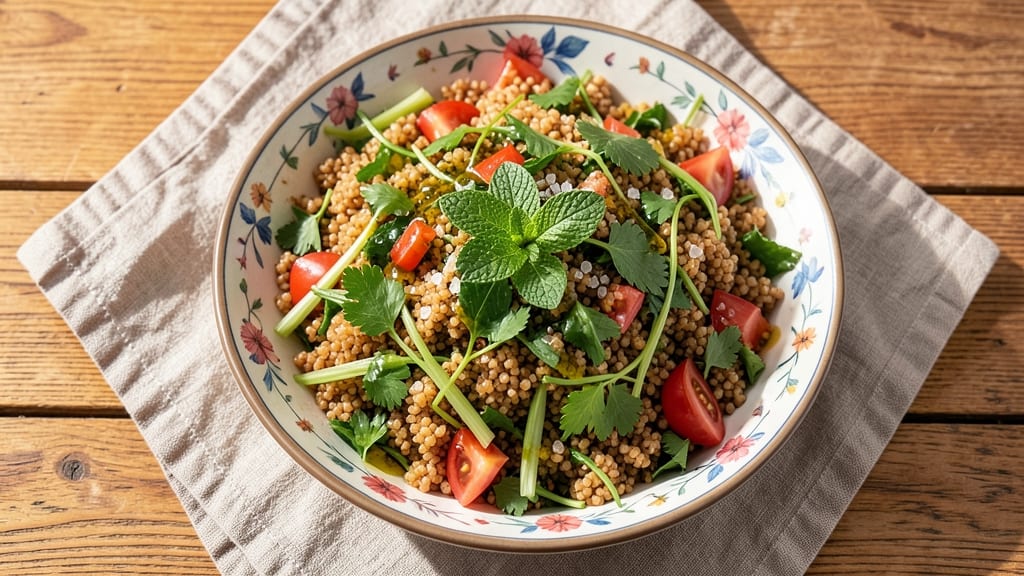
This authentic Lebanese tabbouleh salad recipe delivers the bright, herby flavors of the Middle East in every bite—no shortcuts, just tradition. The secret lies in perfectly soaked bulgur wheat and a mountain of fresh parsley, balanced by crisp celery and tangy lemon.
I've perfected this version after years of testing, ensuring the texture stays perfectly chewy yet light, with herbs that practically dance on your tongue.
What sets this tabbouleh apart is its authenticity—no substitutions for key ingredients like fine bulgur, extra-fine parsley, and fresh mint. The dressing is simple (just lemon juice and olive oil), but the magic happens in the proper soaking time and herb chopping technique.
This isn't just a side dish; it's a celebration of Lebanese home cooking that transforms any meal.
By the time you're done, you'll have a vibrant salad with crisp celery crunch, tender bulgur, and herbs so fresh they could be picked from a Lebanese garden. The lemon brightens every bite, while the olive oil ties everything together in perfect harmony.
It's the kind of dish that makes you feel like you're sitting at a table in Beirut—authentic, vibrant, and impossible to resist.
Serve it as a side with grilled meats, as part of a mezze spread, or even as a light main with warm pita. The best part? It keeps well in the fridge for 2-3 days, making it perfect for meal prep.
Let's get started on this classic recipe that's been bringing families together for generations.
Ingredients for authentic lebanese tabbouleh salad
Fresh herbs, tender bulgur, and zesty lemon—this is your Lebanese garden in a bowl.
| Ingredient | Amount | Notes |
|---|---|---|
| Fine Bulgur Wheat 🌾 | 1 cup | Uncooked, not instant |
| Fresh Parsley Leaves 🌿 | 3 cups | Extra-fine chopped, stems removed |
| Fresh Mint Leaves 🌿 | ½ cup | Finely chopped, stems removed |
| Fresh Tomatoes 🍅 | 4 medium | Ripe, seeded, finely chopped |
| Crisp Celery Stalks 🧅 | 3 whole | Finely chopped, leafy parts removed |
| Extra-Virgin Olive Oil 🫒 | ¾ cup | High quality, fruity |
| Fresh Lemon Juice 🍋 | ½ cup | From 2-3 lemons, freshly squeezed |
| Kosher Salt 🧂 | 1 ½ tsp | Diamond Crystal preferred |
| Ground Black Pepper 🌶️ | ½ tsp | Freshly ground preferred |
| Garlic Cloves 🧄 | 4 cloves | Finely minced, peeled |
| Red Onion 🧅 | ¼ small | Finely chopped, white parts only |
| Fresh Dill 🌿 | ¼ cup | Chopped, optional but traditional |
The bulgur is non-negotiable—fine bulgur, not instant, gives that perfect chewy texture. Grab a 2-cup bag from Middle Eastern markets or the international aisle at Whole Foods. For the parsley, farmers markets have the freshest, but the grocery store works if the leaves are bright green and crisp. Mint is key—Moroccan or Persian mint if you can find it, but regular mint works too. The tomatoes should be ripe but firm—vine-ripened if possible. Celery needs to be crisp; if it's rubbery, skip it. The garlic and onion should be freshly minced—pre-minced is a no-go here.
No fine bulgur? Toasted couscous works in a pinch, but texture won't be identical. Short on parsley? Cilantro at half the amount adds a different but still bright flavor. No mint? Skip it entirely—this recipe still shines without it. The olive oil matters—use something fruity and peppery, not the cheap stuff. For lemon juice, fresh is non-negotiable—bottled just doesn't cut it. The dill is optional but traditional—add it if you love that earthy flavor. If you're prepping ahead, soak the bulgur in lemon water for 30 minutes before mixing everything else.
This salad tastes even better the next day—flavors meld beautifully. Store in an airtight container for 3-4 days in the fridge. The bulgur will soften slightly, but that's perfect. For meal prep, double the recipe—it's perfect for lunches or mezze platters. If you're serving with grilled meats, make it the day before so flavors can develop. The lemon juice keeps it fresh, so no need to worry about wilted herbs. Just give it a good stir before serving, and you're golden.
Why You'll Love This Recipe
- No Boil, No Stress: I just pour the fine bulgur into boiling water, let it sit for 15 minutes—no stirring, no fuss—and it fluffs up perfectly. Honestly, that’s the magic right there: zero active work until the herbs go in.
- Herb-Packed Punch: The parsley and mint aren’t just garnish—they’re the stars. That bright, zesty crunch from the celery and tomatoes? It’s like a lemony, garlicky hug in every bite. (Yes, even on a Tuesday night.)
- Potluck Hero: This salad travels like a champ—no wilting, no soggy mess—and it’s the one dish everyone asks for at gatherings. My cousin’s kids used to turn up their noses at “weird salads,” but now they fight over seconds.
- Budget Brightener: Bulgur’s cheap, herbs last forever if you store them right, and tomatoes stay crisp for days. I make a big batch on Sunday, and it stretches into lunches, wraps, or a side for weeks—no waste, all flavor.
Step-by-step instructions for authentic Lebanese tabbouleh salad
This vibrant dish delivers the true essence of Lebanese cuisine—bright, herby, and perfectly balanced every time.
Toast the Bulgur Wheat for Maximum Flavor
Place the 1 cup fine bulgur wheat in a medium bowl and cover it completely with hot water—about 1½ cups. Let it sit for 10 minutes, then drain any excess water using a fine-mesh strainer. This initial soaking prevents the bulgur from becoming mushy later.
Now here's the key: transfer the drained bulgur to a dry skillet over medium heat. Toast it for 3-4 minutes, stirring constantly, until it turns a lovely golden brown and smells nutty. This step deepens the flavor and gives tabbouleh its signature texture. Let it cool completely before proceeding—warm bulgur will release too much moisture when mixed with the fresh herbs.
Prepare the Herb and Vegetable Mixture
In a large mixing bowl, combine the 3 cups fresh parsley leaves, 0.5 cup fresh mint leaves, 4 medium fresh tomatoes (finely chopped), 3 whole crisp celery stalks (finely chopped), 0.25 small red onion (finely chopped), and 0.25 cup fresh dill. Use your hands to gently massage the herbs—this releases their oils and ensures even distribution. You'll notice the mixture becomes vibrant green and fragrant almost immediately.
Add the 4 cloves garlic cloves (finely minced) and the 1.5 tsp kosher salt to the bowl. Mix well, then let the vegetables sit for 5 minutes to soften slightly. This step is crucial for achieving that authentic Lebanese texture—no wilting, just a gentle breakdown of the vegetables' structure.
Combine and Dress the Tabbouleh
Add the cooled bulgur to the herb-vegetable mixture and toss gently but thoroughly. The bulgur should be evenly distributed throughout the herbs. Now, drizzle in the 0.75 cup extra-virgin olive oil and 0.5 cup fresh lemon juice, mixing well after each addition. The salad should look glossy and vibrant—this is your visual cue that the dressing is properly incorporated.
Sprinkle with 0.5 tsp ground black pepper and give it one final gentle toss. The texture should be slightly sticky but still hold its shape when scooped. If it feels too dry, add 1-2 tablespoons of water to loosen it. Let the tabbouleh rest for 15 minutes before serving—this allows the flavors to meld completely.
Serve Immediately for Peak Freshness
Transfer the tabbouleh to a serving platter and press down lightly with the back of a spoon. This helps the bulgur absorb any remaining moisture and creates a beautiful, compact presentation. Serve immediately while the herbs are at their freshest—traditional Lebanese tabbouleh is best enjoyed within 2 hours of preparation.
Garnish with a few extra sprigs of parsley or mint if desired. The salad should be bright green with pops of red from the tomatoes, and each bite should deliver a perfect balance of herby freshness, nutty bulgur, and tangy lemon. Pair it with warm pita bread or grilled meats for an authentic Lebanese meal experience.
Pro Tips For Making Authentic Lebanese Tabbouleh Salad
- Soak Bulgur in Boiling Water: I learned this the hard way—cold water means gummy, undercooked bulgur. Pour twice the volume of boiling water over fine bulgur, stir once, then cover and let it sit for 10 minutes. No peeking, no stirring again, or you’ll break the grains.
- Chop Parsley and Mint Coarsely: Fine chopping turns tabbouleh into pesto. Use a large knife and cut parsley and mint into ¼-inch pieces—big enough to see but small enough to taste. Save the stems for soup; they’re flavor bombs.
- Salt the Bulgur Before Mixing: Skipping this step makes the salad bland. After soaking, drain the bulgur and toss it with ½ teaspoon salt while still warm—this seasoning gets absorbed into every grain. Mix it in like you’re kneading dough.
- Add Lemon Juice Last: Acid kills fresh herbs. Toss the bulgur with tomatoes, celery, and herbs first, then drizzle with juice of 2 lemons just before serving. The flavors meld better when the herbs stay vibrant longer.
Common mistakes when making your authentic lebanese tabbouleh salad
Over-Soaking Bulgur
One of the biggest mistakes is leaving the bulgur to soak too long—beyond 10 minutes in hot water. This turns it mushy and waterlogged, ruining the perfect chewy texture. I’ve seen people soak bulgur overnight, thinking it’ll absorb more flavor, but that’s a recipe for disaster.
Stick to the 10-minute soak, drain well, and toast it immediately to lock in that nutty, toasted flavor. 🌾
Skipping the Toast
Many recipes call for plain soaked bulgur, but toasting is what gives authentic tabbouleh its depth. When you skip this step, the bulgur tastes bland and doesn’t hold up well in the salad.
Heat a dry skillet over medium heat and toast the drained bulgur for 3-4 minutes until golden. The aroma alone will tell you it’s ready—this is non-negotiable for true Lebanese flavor.
Using Wrong Bulgur
Instant or coarse bulgur won’t give you the same result. Fine bulgur is key—it breaks down just enough to stay tender but still holds its shape. If you’re in a pinch, toasted couscous can work, but it won’t have that same nutty crunch.
Grab a 2-cup bag of fine bulgur from a Middle Eastern market or the international aisle at Whole Foods. Trust me, your tabbouleh will thank you.
Chopping Herbs Too Coarsely
Tabbouleh is all about that fresh, herby bite, so chopping the parsley and mint too roughly means you’ll miss out on that signature texture. Use a sharp knife and finely dice the herbs—almost like a brunoise but slightly larger.
The goal is to keep the herbs recognizable while still releasing their oils. If you’re using a food processor, pulse just until chopped, not pureed. 🌿
Adding Dressing Too Early
Mixing in the olive oil and lemon juice before the bulgur has cooled can make the salad soggy. Always let the toasted bulgur cool completely before combining it with the herbs and dressing.
If you add the dressing too soon, the bulgur will soften too much, losing that perfect chewy bite. Patience here is key—wait until everything is at room temperature before tossing.
Neglecting the Resting Time
Rushing to serve tabbouleh right after mixing means missing out on flavor development. Let the salad rest for 15 minutes before serving—this allows the bulgur to absorb the dressing and the herbs to release their full aroma.
Skipping this step results in a salad that’s bright but lacks that deep, layered flavor. Trust the process, and your tabbouleh will shine. ✨
Nutrition facts
Frequently asked questions
Can I make tabbouleh without bulgur?
While traditional tabbouleh requires fine bulgur for its signature texture, you can substitute with toasted couscous or even quinoa in a pinch. The texture won't be identical, but it'll still deliver that bright, herby flavor. For the closest alternative, use 1 cup cooked and cooled quinoa instead of bulgur.
How do I store leftover tabbouleh?
Store leftovers in an airtight container in the fridge for up to 3-4 days. The flavors actually improve as it sits! Give it a good stir before serving, and you'll find the bulgur softens slightly while the herbs maintain their vibrancy. For best texture, eat within 2 days if possible.
What's the secret to the perfect parsley-to-mint ratio?
The classic ratio is 6:1 parsley to mint—that's why we use 3 cups parsley to just 0.5 cup mint. Mint is potent, so too much can overpower the delicate parsley flavor. If you love mint, try 0.75 cup max for a stronger aroma. Always use fresh herbs for that authentic Lebanese brightness.
Can I make tabbouleh ahead of time?
Yes! In fact, it tastes even better the next day. Prepare it completely, then store in an airtight container. The bulgur will soften slightly, and the flavors meld beautifully. For meal prep, make 2-3 servings and keep refrigerated. The lemon juice helps preserve freshness, so no wilting occurs. Just stir before serving.
Why does my tabbouleh turn watery?
Watery tabbouleh usually means over-soaked bulgur or adding dressing too early. Always toast the bulgur first, then let it cool completely before mixing with herbs and dressing. If it's too dry, add just 1-2 tablespoons water—never more. The texture should be slightly sticky but hold its shape when scooped.