
Sauces & Condiments
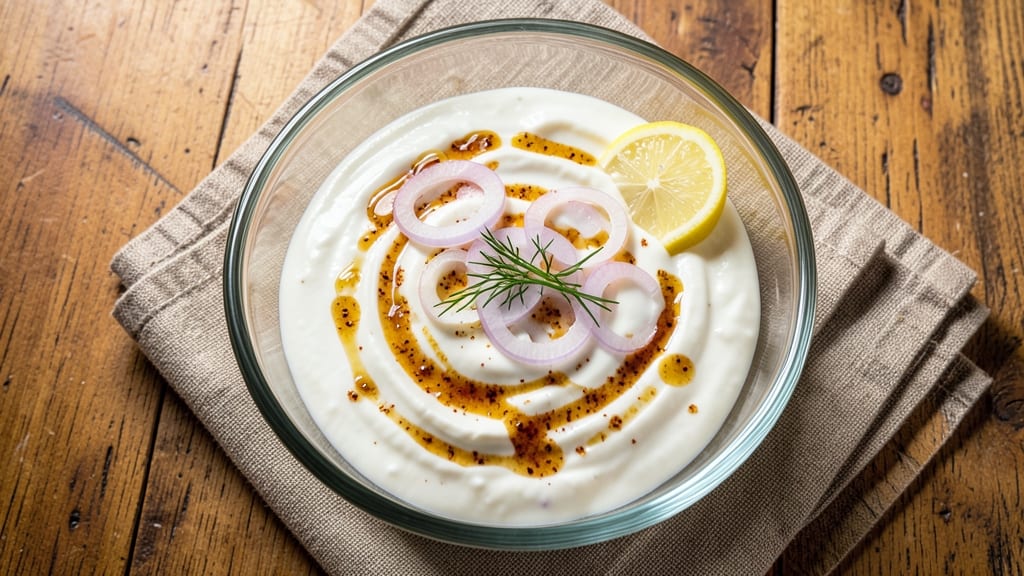
A creamy bean salad dressing with Dijon mustard transforms simple greens into a restaurant-worthy dish. This zesty, tangy base—where Dijon mustard meets smooth yogurt and sharp vinegar—elevates any bean salad, adding depth without overpowering. The emulsification technique ensures it stays velvety, not separated, so every drizzle delivers bold flavor.
The magic lies in balancing creamy yogurt with the sharpness of Dijon and lemon juice, creating a dressing that clings to crisp vegetables and beans. It’s vegetarian-friendly and works equally well on grain bowls, sandwiches, or as a tangy dip. The recipe’s simplicity hides its sophistication—just whisk, taste, and adjust.
What you’ll end up with is a dressing that’s rich yet bright, with a perfect harmony of tang, creaminess, and a hint of heat from the mustard.
It’s the kind of condiment that turns a basic salad into a standout centerpiece, ready in minutes but tasting like hours of effort. Store it in the fridge for up to a week, where the flavors deepen and the texture remains smooth.
Perfect for meal prep, this dressing is your secret weapon for effortless, flavor-packed meals. Let’s make it!
Ingredients for bean salad dressing recipe with dijon mustard
This creamy, tangy dressing transforms simple ingredients into a restaurant-worthy bean salad base.
| Ingredient | Amount | Notes |
|---|---|---|
| Plain Greek Yogurt 🥛 | ¾ cup | Full-fat for creaminess |
| Dijon Mustard 🌶️ | 2 tbsp | High-quality for tang |
| Lemon Juice 🍋 | 1 ½ tbsp | Freshly squeezed |
| Extra-Virgin Olive Oil 🫒 | ½ cup | Fruity, high-quality |
| Red Wine Vinegar 🍷 | 1 tbsp | For extra tang |
| Shallot 🧅 | 1 small | Minced finely |
| Garlic Cloves 🧄 | 1 clove | Minced for depth |
| Granulated Sugar 🍚 | 1 tsp | Balances acidity |
| Salt 🧂 | ½ tsp | Kosher or sea |
| Black Pepper 🌶️ | ¼ tsp | Freshly ground |
The Greek yogurt is non-negotiable here—full-fat gives that luxurious creaminess, while low-fat can make the dressing thin. Fage or Siggi's are my go-tos, but any plain Greek brand works. Dijon mustard should be the good stuff—Maille or Whole Foods brand have the right balance of sharpness without overpowering. Shallots add subtle sweetness, so don't skip them. If you can't find fresh shallots, one small yellow onion works in a pinch, but it'll taste slightly different. The olive oil matters too—California extra-virgin with fruity notes shines here.
No red wine vinegar? Apple cider vinegar works, though it'll be slightly sweeter. Fresh lemon juice is ideal, but bottled works if you're in a bind. Want more heat? Add a pinch of cayenne. For a sweeter dressing, bump the sugar to 1.5 teaspoons. If you're making this ahead, taste and adjust—sometimes the flavors meld differently after sitting. The emulsification happens when you whisk everything together vigorously, so don't rush that part. For extra richness, stir in 1 tablespoon of tahini at the end.
This dressing keeps beautifully in the fridge for up to 1 week, though the texture might thicken slightly. To use, whisk with a splash of water or olive oil to loosen. It's perfect for meal prep—double the batch and store in small jars for easy grab-and-go flavor. If it separates, just whisk again before using. The flavors actually improve over time, so it's worth making ahead for your next bean salad or grain bowl.
Why You'll Love This Recipe
- No-Fuss Mixing: I’ll be real—this dressing comes together with just a whisk and a bowl. Five ingredients, no chopping, no straining, just stir until it’s silky. That tangy Dijon and bright lemon cut through the richness of the yogurt like a dream, and honestly? It’s the kind of thing I make while scrolling through my phone.
- Tangy Creamy Magic: The Greek yogurt gives it that velvety thickness, but the Dijon mustard and red wine vinegar? Oh, they wake it up. That sharp, punchy kick balances the richness, and the olive oil ties it all together so smoothly. It’s the kind of dressing that makes you want to eat it straight from the spoon—yes, even on a Tuesday night.
- Lunchbox to Potluck: This isn’t just for salads. Drizzle it over roasted veggies, toss it with grilled chicken, or pack it in a jar for sandwiches. I’ve even used it as a dip for pita chips at BBQs—no one bats an eye. It’s my go-to for meal prep because it keeps well for days, and the flavors only get better as it sits.
- Budget Brightener: I swear by this for stretching my grocery budget. A small tub of Greek yogurt, a jar of Dijon, and a lemon go a long way. No fancy ingredients, no waste—just pure, reliable flavor that makes even the simplest meal feel special. Plus, it’s cheaper than store-bought dressings, and way more interesting.
Step-by-step instructions for bean salad dressing with Dijon mustard
This method delivers a perfectly balanced, creamy dressing with bright acidity and rich depth.
Whisk Together the Base Ingredients
In a medium bowl, combine the 0.75 cup Plain Greek Yogurt, 2 tbsp Dijon Mustard, and 1.5 tbsp Lemon Juice. Use a whisk to blend thoroughly for about 30 seconds until smooth and fully incorporated. The yogurt should become noticeably lighter in color as the mustard and lemon juice emulsify with it.
Here's the thing—don't rush this step. The mustard needs time to fully integrate with the yogurt to prevent separation later. If you notice any streaks of mustard remaining, whisk for another 10-15 seconds until completely smooth. This base will form the creamy foundation of your dressing.
Add Aromatics and Sweetener
Finely mince the 1 small Shallot and 1 clove Garlic Cloves using a sharp knife or microplane. Add them to the yogurt mixture along with the 1 tsp Granulated Sugar. Whisk everything together for another 20-30 seconds until the shallot and garlic are evenly distributed.
The sugar here serves a dual purpose: it balances the acidity from the lemon juice and vinegar while helping to emulsify the dressing more effectively. You'll notice the mixture becomes slightly thicker as the sugar dissolves. If you're using pre-minced shallots from a jar, drain them well first to avoid excess moisture that could dilute your dressing.
Gradually Incorporate the Oil
With the whisk moving continuously, very slowly drizzle in the 0.5 cup Extra-Virgin Olive Oil over 1-2 minutes. This gradual addition is critical—it allows the oil to properly emulsify with the yogurt base rather than separating. The mixture will thicken noticeably as you add the oil, eventually reaching a creamy, mayonnaise-like consistency.
If you add the oil too quickly, you'll end up with a broken dressing. Watch for the moment when the mixture becomes thick and glossy—this is your signal that the emulsion is forming properly. The dressing should coat the back of a spoon smoothly without separating.
Finish with Acid and Seasonings
Add the 1 tbsp Red Wine Vinegar, 0.5 tsp Salt, and 0.25 tsp Black Pepper to the mixture. Whisk vigorously for 30-45 seconds until everything is fully combined. Taste and adjust seasoning if needed—you may want to add a touch more salt or lemon juice to balance the flavors to your preference.
This is where the dressing comes together. The vinegar adds that signature tang that pairs perfectly with creamy dressings, while the pepper provides a subtle heat. The dressing should now have a bright, zesty flavor with a rich, velvety texture. If you notice any separation after mixing, simply whisk in 1-2 teaspoons of warm water to restore the creamy consistency.
Rest and Serve
Cover the bowl with plastic wrap and refrigerate for at least 30 minutes before using. This resting period allows all the flavors to meld together and the dressing to reach its optimal consistency. When ready to serve, give it one final whisk to ensure everything is well combined.
The dressing will keep in the refrigerator for up to 5 days, though it's best used within 3 days for maximum freshness. This creamy, tangy dressing works beautifully with bean salads, grain bowls, or even as a dip for crudités. The perfect balance of acidity and creaminess makes it incredibly versatile for both summer salads and hearty winter dishes.
Pro Tips For Making Bean Salad Dressing Recipe With Dijon Mustard
- Whisk in stages: Start by mixing the Greek yogurt and Dijon mustard—this prevents lumps from forming when you add the vinegar later. After that, drizzle in the lemon juice and olive oil slowly while whisking constantly. I learned this the hard way when I dumped everything in at once and ended up with a grainy, unappetizing mess.
- Use room-temperature yogurt: Cold yogurt thickens the dressing and makes it harder to emulsify. Take the yogurt out of the fridge 15-20 minutes before mixing—it’ll blend smoother and give you a silkier texture. (Yes, even if you’re impatient like me.)
- Balance acid first: Taste the mustard and vinegar combo before adding the yogurt—this is where the flavor foundation happens. If it’s too sharp, add a pinch of honey or a splash of water to mellow it out. Skipping this step means your dressing might end up either too tangy or bland.
- Finish with olive oil: Drizzle the extra-virgin olive oil in last, a teaspoon at a time, while whisking vigorously. This adds richness without breaking the emulsion. I was skeptical until I tried it—now it’s the thing that makes my dressing actually coat the beans instead of separating.
Common mistakes when making this dish
Rushing the Whisking
Skipping the 30-second whisking of yogurt, Dijon, and lemon juice is a big no-no. The mustard needs time to fully emulsify with the yogurt to prevent separation later. I’ve seen dressings split into oily layers because someone whisked for just 10 seconds—don’t be that person!
Take your time here, and you’ll avoid the dreaded "split dressing" disaster. 🌶️
Adding Oil Too Fast
The oil is the trickiest part—adding it too quickly will break the emulsion. Instead of pouring it all at once, drizzle it in slowly over 1-2 minutes while whisking constantly.
I’ve had to start over twice because I got impatient and added oil too fast. The key is patience: the dressing should thicken and become glossy as you go.
Skipping the Resting Time
Think this dressing is ready to use as soon as it’s mixed? Wrong! Letting it rest in the fridge for at least 30 minutes lets the flavors meld and the texture stabilize.
I once served a dressing right after mixing, and it tasted uneven—like the mustard and vinegar hadn’t had time to integrate. Trust the process, and you’ll get that perfect, cohesive flavor.
Ignoring the Sugar
The 1 teaspoon of sugar isn’t just for sweetness—it balances the acidity and helps emulsify the dressing. Omitting it can make the dressing taste harsh or separate. If you’re using a sweeter vinegar (like apple cider), you might need ½ teaspoon less sugar, but don’t skip it entirely.
It’s the secret to a smooth, well-rounded dressing.
Using Low-Quality Ingredients
Cheap Dijon mustard or low-fat yogurt will ruin your dressing. Invest in a good Maille or Whole Foods brand Dijon and full-fat Greek yogurt—they make all the difference.
I’ve tried making this with store-brand mustard, and it lacked the depth and tang. Your dressing deserves better ingredients than that! 🥛
Not Adjusting Seasoning
Taste as you go! The dressing might need more salt, lemon juice, or even a pinch of cayenne for heat. I always adjust mine after letting it sit for a few minutes—sometimes the flavors mellow, and you’ll need to tweak them.
Don’t be afraid to taste and adjust; that’s how you get it just right.
Nutrition facts
Frequently asked questions
Can I make this dressing without yogurt?
Yes! For a vegan version, substitute the Greek yogurt with ½ cup silken tofu blended until smooth, or use ½ cup mayonnaise for a richer texture. The Dijon mustard will still add that signature tang, but you may need to adjust the oil slightly to maintain creaminess. The flavor will be slightly different but equally delicious!
How long does this dressing keep in the fridge?
This creamy dressing stays fresh for up to 5 days when stored in an airtight container. If it thickens, whisk in 1-2 teaspoons of water or olive oil to restore its velvety texture. For best flavor, use it within 3 days—the Dijon and vinegar keep it vibrant longer than most dressings.
What's the best way to store leftovers?
Transfer any unused dressing to a small jar with a tight lid and refrigerate. The layers will separate slightly, but a quick whisk before using brings it back to perfection. For meal prep, divide into 2-ounce portions—just enough for a single salad or bowl. Pro tip: Label with the date to track freshness!
Can I use this dressing on non-salad dishes?
This versatile dressing works beautifully as a dip for crudités or pita chips, a tangy sauce for grilled chicken or fish, or even a creamy spread for sandwiches. The Dijon and vinegar add depth that pairs well with both savory and slightly sweet dishes. Try it on your next charcuterie board for an unexpected twist!
What if my dressing separates?
Don't panic! Separation usually means the emulsion broke. Simply whisk in 1 teaspoon of warm water or a splash of olive oil to restore creaminess. For a more permanent fix, blend the separated dressing with 1 tablespoon of Dijon mustard until smooth. The key is patience—always add liquids gradually while whisking continuously.