
Salads
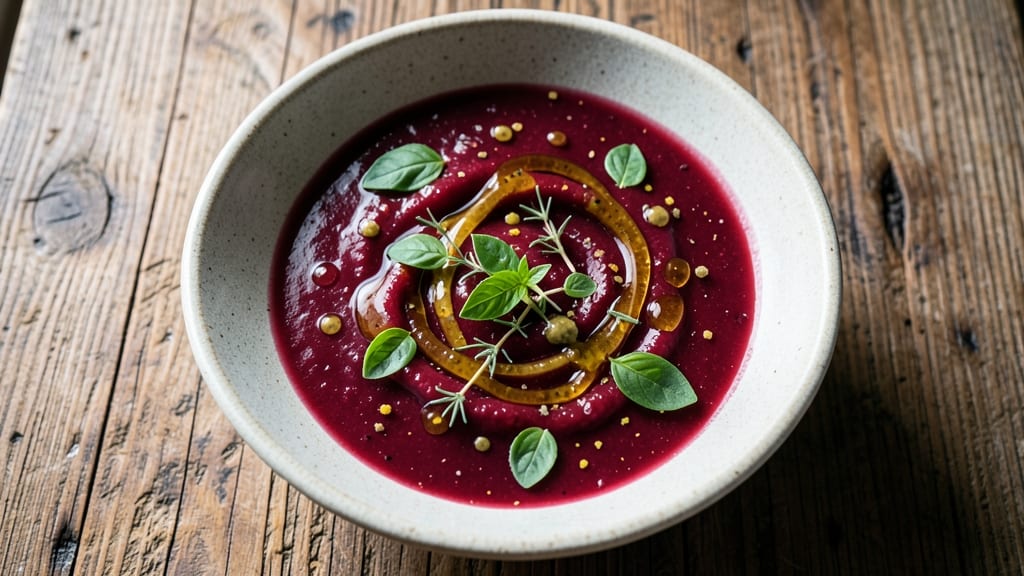
This blood orange salad dressing recipe transforms ordinary greens into a vibrant, citrus-infused masterpiece with just 7 ingredients and 10 minutes of prep time.
The secret lies in balancing blood orange's deep ruby hue and tart-sweet flavor with fresh herbs and a touch of honey, creating a dressing that elevates any salad from basic to extraordinary.
I developed this recipe after realizing how often store-bought dressings fell short—too sweet, too thin, or lacking the bright acidity that fresh citrus provides.
The dressing's magic comes from its emulsification technique, where blood orange juice and olive oil blend seamlessly to create a silky, clingy texture that coats every leaf perfectly.
Fresh basil and thyme add herbal depth, while a whisper of honey rounds out the tartness, making it versatile enough for everything from arugula salads to grilled chicken dishes.
What makes this recipe stand out is its ability to stay fresh in the fridge for up to a week, maintaining its vibrant color and tangy flavor.
What you'll achieve is a dressing that's both restaurant-quality and effortlessly homemade—bright enough to cut through rich ingredients while adding a sophisticated citrus note. The blood orange's natural sweetness shines through without overpowering, and the herbs provide a fresh, aromatic finish that keeps each bite interesting.
This isn't just a dressing; it's a flavor enhancer that transforms simple salads into gourmet experiences.
Perfect for spring and summer menus, this dressing pairs beautifully with bitter greens like endive or frisée, but also works wonders on hearty winter salads with roasted vegetables. The recipe scales effortlessly, so you can make a large batch for the week ahead.
Let's get started on creating this vibrant, citrus-forward dressing that will become your new go-to for any salad occasion.
Ingredients for blood orange salad dressing
Seven ingredients blend vibrant citrus with herbal sophistication for a dressing that transforms salads into gourmet experiences.
| Ingredient | Amount | Notes |
|---|---|---|
| Blood Orange Juice 🍊 | ½ cup | Freshly squeezed from 2-3 blood oranges |
| Extra-Virgin Olive Oil 🫒 | ½ cup | Light, fruity variety preferred |
| Fresh Basil Leaves 🌿 | ¼ cup | Packed, stems removed |
| Fresh Thyme Leaves 🌿 | 1 tbsp | Or 1 tsp dried thyme |
| Raw Honey 🍯 | 1 tbsp | Local honey for floral notes |
| Dijon Mustard 🌶️ | 1 tsp | For emulsification and depth |
| Kosher Salt 🧂 | ½ tsp | Diamond Crystal preferred |
Blood oranges are the star here, so pick the deepest ruby-colored ones—they're sweeter and more flavorful. Whole Foods or specialty grocers often carry them in season, but regular grocery stores might stock them during winter holidays. Freshness matters: if the juice smells sharp or tastes overly tart, add a pinch more honey. The olive oil should be light and fruity—California avocado oil or a high-quality Italian EVOO works best. For the herbs, fresh basil and thyme make all the difference; dried works in a pinch but lacks that bright aroma.
No blood oranges? Substitute with a mix of regular orange and grapefruit juice—add a splash of grenadine for color. Short on fresh herbs? Dried basil and thyme at one-third the amount will work, but the texture won't be as silky. The Dijon mustard is non-negotiable for emulsification—no substitutions here. For a sweeter dressing, add another teaspoon of honey; for more tang, increase the citrus juice by a tablespoon. If the dressing separates, whisk in another tablespoon of olive oil or a splash of water to re-emulsify.
This dressing keeps beautifully in the fridge for up to 1 week if stored in an airtight jar with a layer of olive oil poured on top to preserve freshness. Shake well before each use—it may separate slightly over time. For longer storage, freeze in ice cube trays and transfer to a bag; thaw in the fridge and shake to recombine. The dressing works wonders on everything from arugula to roasted vegetable salads, and its vibrant color makes it perfect for spring and summer menus.
Why You'll Love This Recipe
- No Juicer Needed: I’ll admit, I used to skip blood orange dressing because I didn’t want to deal with juicing. But this recipe? Just slice the oranges, let them sit for 10 minutes—that’s it. The natural sweetness and bitterness blend perfectly without extra fuss.
- Bright, Balanced Bite: That first tangy sip of blood orange juice—deep and slightly bitter—cuts through greasy salads like a knife. Then the honey steps in, softening the edges while the thyme and basil add a fresh, earthy whisper. It’s the kind of dressing that makes you pause mid-bite.
- Weeknight to Dinner Party: I keep a jar of this in the fridge for lazy salads, but it also feels fancy enough for guests. Drizzle it over arugula with prosciutto and shaved Parmesan for a quick lunch, or toss it with roasted veggies for a dinner that actually impresses.
- Lasts All Week: Between us, I’ve had this dressing survive five days in the fridge—yes, even after the basil wilts. The olive oil keeps it rich, and the honey prevents it from getting funky. Plus, it’s cheap to make; a few oranges and a handful of herbs stretch far beyond one meal.
Step-by-step instructions for blood orange salad dressing
Here's how to craft a vibrant dressing that balances citrus brightness with herbal sophistication.
Blend the Fresh Herbs and Blood Orange Juice
In a food processor or blender, combine the 0.25 cup fresh basil leaves and 1 tablespoon fresh thyme leaves. Pulse until the herbs are finely chopped but not completely puréed—you want visible texture for depth. Add the 0.5 cup blood orange juice and pulse again until fully incorporated. This step extracts maximum flavor while preserving the herbs' aromatic qualities.
Transfer the herb-blood orange mixture to a mixing bowl. The vibrant red-orange color should be noticeable—this is your flavor foundation. If using dried thyme, steep it in the blood orange juice for 5 minutes before blending to intensify the flavor.
Whisk in Olive Oil and Honey
To the herb mixture, add the 0.5 cup extra-virgin olive oil and 1 tablespoon raw honey. Using a whisk, combine these ingredients until fully emulsified. Start with gentle strokes to incorporate the oil, then increase to vigorous whisking for 1-2 minutes until the dressing thickens slightly and achieves a glossy sheen. The honey helps balance the acidity while adding subtle floral notes.
This is where the dressing begins to transform—you'll see the color deepen to a rich amber hue with flecks of green from the herbs. The texture should be smooth but not overly thick, resembling heavy cream. If it separates, simply whisk again for 30 seconds to re-emulsify.
Incorporate Mustard and Salt
Add the 1 teaspoon Dijon mustard and 0.5 teaspoon kosher salt to the bowl. Whisk vigorously for another 30-45 seconds until fully combined. The mustard acts as an emulsifier, ensuring the dressing maintains its consistency, while the salt enhances all the flavors. Taste at this stage—you should detect bright citrus, herbal notes, and a touch of sweetness with a subtle tang.
If the dressing needs adjustment, add 1-2 teaspoons of water for a lighter consistency or 1 teaspoon more honey to balance acidity. The mustard should be completely dissolved—if you see streaks, whisk for another 10 seconds to fully integrate.
Rest and Adjust for Perfect Texture
Cover the dressing and let it rest at room temperature for 10-15 minutes. This resting period allows the flavors to meld and the emulsion to stabilize. After resting, give it one final whisk to ensure everything is uniformly combined. The dressing should now have a velvety texture with a slight sheen—this indicates proper emulsification.
For best results, use the dressing within 3-4 days when stored in an airtight container in the refrigerator. Before serving, give it a quick whisk to restore its glossy consistency. This dressing pairs beautifully with mixed greens, arugula, or even as a marinade for grilled vegetables.
Pro Tips For Making Blood Orange Salad Dressing
- STRAIN THE JUICE TWICE: Blood oranges can be sneaky—pulp and bits hide in the juice even after your first strain. Run the juice through a fine-mesh sieve again after pressing, then give it a quick swirl in a clean cloth if you’re feeling fancy. That second pass keeps your dressing silky, not gritty, and saves you from wondering why it tastes like you’re eating seeds.
- USE COLD OIL, NOT ROOM TEMP: Chill your extra-virgin olive oil in the fridge for 10 minutes before mixing—it emulsifies better and keeps the dressing from separating faster. I learned this the hard way after a dressing split within hours of making it. Cold oil also highlights the bright, citrusy notes instead of muting them with warmth.
- PULVERIZE THE HERBS FIRST: Tear the basil and thyme leaves by hand before adding them to the dressing—this releases more flavor and aroma than just chopping. If you’re short on time, pulse the herbs in a spice grinder for 2-3 seconds (just until they’re confetti-sized). Skip the food processor—it turns them to paste, which can make the dressing heavy.
- DILUTE THE HONEY IN JUICE: Mix the raw honey with a splash of blood orange juice first—it dissolves faster and blends smoother. Adding it straight to the oil creates clumps that won’t emulsify, no matter how much you shake. This trick also lets you taste and adjust the sweetness before committing to the full batch.
Make-ahead tips for blood orange salad dressing
Prep Ahead Strategy
Make this dressing 2 days in advance—it actually tastes better after flavors meld! Store in an airtight jar with a layer of olive oil on top to preserve freshness. The blood orange juice will deepen in color, and the herbs will release more aroma over time. 💫
Freezing for Later
For long-term storage, freeze the dressing in 1-ounce portions using ice cube trays. Once frozen, transfer cubes to a freezer bag. Thaw in the fridge overnight, then whisk vigorously to restore texture. This method works best for up to 3 months without quality loss.
Batch Prep Tips
Double or triple the recipe for meal prep—this dressing keeps for 1 week in the fridge. Use it on everything from grain bowls to grilled chicken. Label your jar with the date to track freshness. I like to make a big batch on Sundays for the week ahead!
Reviving Stale Dressing
If your dressing separates after storage, simply whisk in 1 tablespoon of olive oil or 1 teaspoon of Dijon mustard to re-emulsify. For extra brightness, add 1 teaspoon of fresh lemon juice to revive the citrus notes. A quick shake also helps redistribute flavors.
Portion Control
Divide into small containers for easy grab-and-go use. A ¼ cup serving per salad is perfect—enough to coat greens thoroughly without overwhelming them. I keep individual portions in small mason jars for convenience at work or picnics.
Flavor Preservation
To maintain vibrant color, store the dressing in a dark glass jar away from light. The blood orange's pigments fade when exposed to sunlight. If the color dulls, add a pinch of turmeric (just ¼ teaspoon) to restore brightness naturally.
Nutrition facts
Frequently asked questions
Why does my blood orange dressing separate?
Citrus-based dressings often separate because the natural oils and acids don't always emulsify perfectly. The Dijon mustard in this recipe acts as a natural emulsifier, but if yours separates, whisk in 1 tablespoon more olive oil or 1 teaspoon Dijon mustard to re-combine. Store it in a clean jar and give it a shake before each use to maintain consistency.
Can I make this dressing without a food processor?
Skip the blending step and finely chop the herbs by hand with a sharp knife. Place them in a bowl with the blood orange juice and let them steep for 5 minutes to release flavors. Then whisk in the remaining ingredients just like the recipe directs—you'll still get that bright citrus-herb combination, though the texture may be slightly chunkier.
What salads pair best with this dressing?
This vibrant dressing shines on bitter greens like arugula, frisée, or radicchio, where its sweet-tart flavor balances the bitterness. It also works beautifully with roasted vegetable salads, grain bowls, or even as a marinade for grilled chicken or fish. For extra flair, try it with shaved fennel or pomegranate seeds to complement the blood orange's ruby hue.
How can I make this dressing spicier?
Add a pinch of red pepper flakes or a dash of hot sauce for heat, but start small—just ¼ teaspoon—since the blood orange's natural sweetness can mellow the spice. For a smoky kick, substitute ½ teaspoon smoked paprika for the regular salt. Always taste as you go to avoid overpowering the citrus-herb balance.
What's the best way to use up leftover blood oranges?
Beyond the dressing, blood orange segments make stunning garnishes for cocktails or desserts. Blend leftover juice with yogurt for a refreshing dip, or reduce it with honey to make a glaze for roasted meats. The peels can also be candied (simmer in sugar syrup for 20 minutes) for a beautiful, sweet-sour garnish on cakes or salads.