
Salads
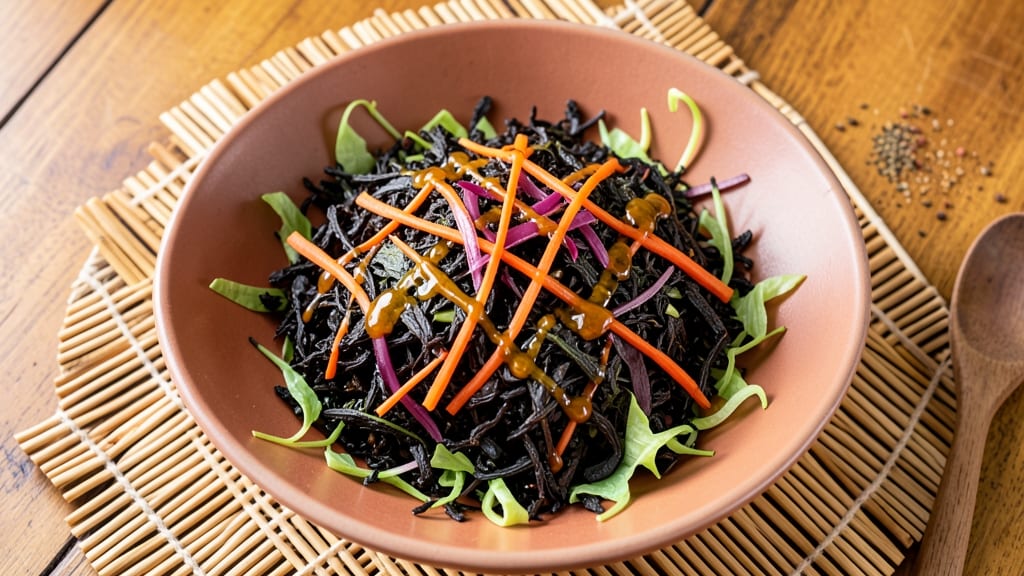
This Burmese fermented tea leaf salad delivers a bold, tangy crunch that balances earthy umami with bright citrus—no fermentation experience required. ✨ I first tasted it in a Myanmar market stall, where the crispy tea leaves and zesty dressing transformed simple vegetables into something extraordinary.
The secret lies in toasting the tea leaves just enough to bring out their nutty depth without bitterness, then tossing them with a dressing that's equal parts sweet, sour, and savory.
The beauty of this salad is its versatility—it works as a light lunch, refreshing side, or even a vegan protein boost. While traditional versions use fish sauce, I've adapted it with soy sauce and lime for a vegetarian-friendly version that still captures that signature umami punch.
The key ingredients—crispy tea leaves, shredded cabbage, and a tangy dressing—come together in under 20 minutes for a dish that feels both rustic and refined.
What makes this recipe special is how it transforms ordinary vegetables into something unexpectedly complex. The tea leaves add a satisfying crunch, while the dressing—made with lime juice, garlic, and a touch of sugar—cuts through the richness.
Each bite delivers layers of flavor that linger, making this salad far more exciting than your typical green salad.
Perfect for warm weather gatherings or as a quick weeknight meal, this Burmese tea leaf salad proves you don't need complicated techniques to create restaurant-worthy flavors. The best part?
It keeps well in the fridge for up to 3 days, so you can enjoy the flavors long after the market closes. Let's get started!
Ingredients for burmese fermented tea leaf salad
Crispy tea leaves, zesty dressing, and fresh vegetables—this salad packs umami and tang in every bite.
| Ingredient | Amount | Notes |
|---|---|---|
| Assam Tea Leaves ☕ | ½ cup | Loose leaf, not tea bags |
| Green Cabbage 🥬 | 4 cups | Shredded, outer leaves removed |
| Carrots 🥕 | 2 medium | Julienned or matchstick cut |
| Red Onion 🧅 | 1 small | Thinly sliced, white part only |
| Fresh Lime Juice 🍋 | ½ cup | Strained, no pulp |
| Tamari or Soy Sauce 🍶 | 3 tbsp | Gluten-free tamari preferred |
| Garlic Cloves 🧄 | 4 cloves | Minced, fresh preferred |
| Coconut Sugar 🍯 | 2 tbsp | Or granulated sugar |
| Sesame Oil 🫒 | 1 tbsp | Toasted, not flavored |
| Vegetable Oil 🫒 | 2 tbsp | For toasting tea leaves |
| Red Chili Flakes 🌶️ | 1 tsp | Adjust to taste |
| Fresh Cilantro 🌿 | ¼ cup | Chopped, stems removed |
| Crushed Peanuts 🥜 | ¼ cup | Toasted, optional garnish |
The Assam tea leaves are the star here—loose leaf from an Asian market gives the best flavor, but any good-quality black tea works in a pinch. Toasting them in oil until just crispy (about 3-4 minutes) brings out their nutty depth without burning. Whole Foods or Trader Joe's usually carry loose tea leaves, or check the international aisle at your local grocery store. For the cabbage, green cabbage holds up better than red—it stays crunchier even after sitting in the dressing. If you can't find Assam tea, Ceylon or Earl Grey are decent substitutes, though they'll have slightly different flavors. The key is toasting them until they're fragrant but not browned—think 'popcorn' level, not 'burnt toast'.
No tamari? Regular soy sauce works fine, though it'll have a slightly different umami profile. Fresh garlic is non-negotiable here—jarred garlic has no flavor. If you're sensitive to heat, skip the chili flakes entirely or use half the amount. The coconut sugar adds just enough sweetness to balance the acidity, but regular sugar works just as well. For the sesame oil, toasted sesame oil from the Asian section is worth the extra few bucks—it's a total game-changer. The crushed peanuts are optional but add a nice crunch; store-bought roasted peanuts from the snack aisle work perfectly if you don't want to toast your own. If you're short on time, skip the peanuts and use extra crushed cashews instead.
This salad keeps beautifully in the fridge for up to 3 days, though the tea leaves lose some crunch after day 2. Store it in an airtight container with a paper towel pressed against the tea leaves to absorb excess moisture. The dressing can be made ahead and stored separately for 5 days—just toss it with the veggies right before serving. If you're making this for a crowd, double the tea leaves and dressing—it scales perfectly. The flavors actually improve after sitting for a bit, as everything gets a chance to meld together. Serve it chilled or at room temperature, whichever you prefer—both work great.
Why You'll Love This Recipe
- No Chopping Nightmare: I’ll be real—this salad takes zero fancy knife work. Thinly slice the cabbage and carrots (or buy pre-shredded if you’re lazy), then toss in the tea leaves and onion. Honestly, my 12-year-old could handle it while watching cartoons.
- Umami Bomb: That Assam tea isn’t just for drinking—it’s the star here. The fermented leaves bring a deep, earthy punch that cuts through the cabbage’s crunch, while the lime juice keeps it bright. It’s like a tangy, savory hug in every bite.
- Lunchbox Legend: Pack this for work or school—it holds up for days in the fridge without getting soggy. Between us, I’ve had it cold, at room temp, and even tossed with grilled chicken for dinner. It’s my go-to when I’m too tired to think.
- Pocketbook Hero: Tea leaves are dirt cheap, and cabbage lasts forever. A single bag of Assam tea makes multiple salads, and the veggies stretch across meals. I’ve fed four people for under $5 with this—no guilt, just flavor.
Step-by-step instructions for Burmese fermented tea leaf salad
Here's how to create this vibrant, umami-rich salad with a perfect balance of tangy, spicy, and nutty flavors.
🔥 Step 1: Toast the Assam Tea Leaves for Depth of Flavor
Heat a dry skillet over medium heat and add the 2 tablespoons vegetable oil. Once the oil shimmers, add the 0.5 cup Assam tea leaves and toast for 2-3 minutes until they darken slightly and release an earthy aroma. This toasting enhances their natural umami flavor and removes any bitterness.
Watch the tea leaves carefully—they'll darken quickly. Remove them immediately when they're fragrant and slightly darkened, then transfer to a bowl to cool completely. If you let them burn, they'll become bitter and overpower the delicate salad flavors. Let the toasted leaves cool for 5 minutes before using.
👨🍳 Step 2: Prepare the Vegetable Base with Perfect Texture
In a large mixing bowl, combine the 4 cups shredded green cabbage, 2 medium julienned carrots, and 1 small thinly sliced red onion. Toss gently to distribute the vegetables evenly. The cabbage should be cut into thin, bite-sized pieces—this ensures it stays crisp rather than soggy.
Here's the thing—don't overmix at this stage. You want the vegetables to maintain their individual textures. The cabbage should remain crisp, the carrots slightly al dente, and the onion fresh. Set this mixture aside while you prepare the dressing components.
🍳 Step 3: Create the Signature Tangy Dressing
In a small bowl, whisk together the 0.5 cup fresh lime juice, 3 tablespoons tamari or soy sauce, 2 tablespoons coconut sugar, 1 tablespoon toasted sesame oil, and 1 teaspoon red chili flakes. The lime juice should be freshly strained to avoid any pulp that might make the dressing gritty.
Taste the dressing before combining with the vegetables. It should be perfectly balanced—tangy from the lime, salty from the tamari, slightly sweet from the coconut sugar, and with a subtle heat from the chili flakes. If it needs more balance, adjust with a touch more sugar or lime juice. This dressing is the heart of the salad, so don't skip tasting it.
🥘 Step 4: Combine All Ingredients for Perfect Balance
Add the cooled toasted tea leaves and the minced 4 cloves garlic to the vegetable mixture. Pour the dressing over everything and toss gently but thoroughly. The tea leaves should be evenly distributed throughout the salad, adding their distinctive earthy flavor to every bite.
Let the salad sit for 10-15 minutes at room temperature. This resting period allows all the flavors to meld together beautifully. The cabbage will soften slightly but remain crisp, and the tea leaves will infuse their flavor throughout the mixture. Don't skip this step—it makes all the difference in the final result.
🍽️ Step 5: Finish and Serve with Crunchy Toppings
Just before serving, stir in the 0.25 cup chopped fresh cilantro and 0.25 cup crushed peanuts. The cilantro adds a bright, fresh contrast to the rich flavors, while the peanuts provide a satisfying crunch. Taste one last time and adjust seasoning if needed—you might want to add a splash more lime juice or a pinch of salt.
Serve immediately while the salad is still crisp and vibrant. This dish is best enjoyed fresh, with the tea leaves still holding their texture and all the flavors at their peak. Pair it with grilled meats or use as a refreshing side to balance richer dishes. The combination of textures and flavors makes this salad truly special.
Pro Tips For Making Burmese Fermented Tea Leaf Salad
- STEAM THE TEA FIRST: I used to just toss raw Assam tea leaves into the salad and wonder why the flavor was muted. Instead, steam them for 3-4 minutes until they darken—this softens the leaves and unlocks their deep, earthy taste. (Yes, even if you’re impatient like me, this step is worth it.)
- SHRED CABBAGE FINE: Skip the thick, uneven slices—this salad needs cabbage that’s almost julienned, about 1/8-inch thick. Thinner shreds soak up the dressing better and mimic the texture of traditional Burmese versions. (I learned this the hard way when my first batch tasted dry.)
- USE LIME JUICE SPARINGLY: The tea leaves already pack a tangy punch, so start with just 2 tablespoons of lime juice and adjust to taste. Too much turns the salad sharp and overpowering—trust your palate, not the recipe. (Your future self will thank you.)
- SALT THE ONIONS: Toss the sliced red onion with a pinch of salt (about ¼ teaspoon) and let it sit for 5 minutes before adding it to the salad. This softens the bite and prevents the onion from making the salad taste raw. (Sounds weird, but it works—try it.)
Dietary considerations for these flavors
Vegetarian Adaptations
Traditional Burmese tea leaf salad often includes fish sauce, but this vegetarian version swaps it for 3 tablespoons tamari or soy sauce—it delivers the same umami punch without animal products. The lime juice and garlic add brightness and depth, so don’t skimp on freshness here.
For extra protein, stir in ½ cup cooked edamame or ¼ cup crumbled tofu after tossing. 🌱
Gluten-Free Options
Tamari is naturally gluten-free, but if you’re avoiding soy entirely, use coconut aminos instead—it’s a 1:1 substitute with a slightly sweeter profile. Double-check your tea leaves for gluten cross-contamination, as some blends use shared processing facilities.
For the peanuts, opt for certified gluten-free brands like 365 Organic by Whole Foods to avoid any hidden traces. ✨
Nut-Free Variations
Skip the crushed peanuts and replace them with ¼ cup toasted pumpkin seeds for a nut-free crunch. These seeds add a mild earthiness that complements the tea leaves beautifully.
If you’re avoiding seeds too, simply omit the garnish—this salad still shines with its bold flavors. For extra texture, toss in 2 tablespoons sesame seeds after serving. 🥜
Low-Sugar Adjustments
Reduce the 2 tablespoons coconut sugar to just 1 tablespoon and balance the dressing with an extra splash of lime juice. The natural sweetness of the tea leaves and carrots will still shine through.
For a completely sugar-free version, omit it entirely and rely on the tangy lime and umami tamari for flavor balance. 🍋
Spice Level Control
Adjust the 1 teaspoon red chili flakes to taste—start with half and add more gradually. For a smoky kick, swap chili flakes for ½ teaspoon smoked paprika. If you love heat, add a few drops of Sriracha or chili crisp when serving.
The tea leaves’ earthiness pairs perfectly with spice, so don’t be afraid to experiment. 🌶️
Meal Prep Tips
Store the dressing separately in an airtight container for up to 5 days—combine it with the salad just before serving to keep the tea leaves crisp.
For longer storage, pack the vegetables and tea leaves in a sealed container with a paper towel to absorb moisture, then add the dressing when ready to eat. Refrigerate for up to 3 days for best texture. 💡
Nutrition facts
Frequently asked questions
Can I use regular black tea instead of Assam tea leaves?
Assam tea leaves are ideal because of their bold, malty flavor, but you can use other black teas like Ceylon or Earl Grey in a pinch. Just toast them for 1-2 minutes less since they may burn faster. The flavor will be slightly different but still delicious. For best results, choose loose-leaf black tea without added flavors.
How do I make this salad spicier without overpowering it?
Start with ½ teaspoon red chili flakes and adjust to taste. For a smoky kick, swap half the chili for ¼ teaspoon smoked paprika. If you love heat, add 1-2 drops of chili crisp or Sriracha when serving. The tea leaves' earthiness balances the spice beautifully, so don't be afraid to experiment!
Can I prepare this salad ahead of time?
Yes! Store the dressing separately in an airtight container for up to 5 days. Keep the vegetables and toasted tea leaves in a sealed container with a paper towel to absorb moisture. Combine everything just before serving to maintain crispness. The salad keeps well in the fridge for 3 days—flavors actually improve as they meld together.
What's the best way to toast the tea leaves?
Heat 2 tablespoons vegetable oil in a dry skillet over medium heat until shimmering. Add the tea leaves and toast for 2-3 minutes until fragrant and slightly darkened (like popcorn, not burnt toast!). Watch carefully—they darken quickly. Let cool completely before using to prevent sogginess in the salad.
Can I make this without peanuts?
Skip the peanuts and use ¼ cup toasted pumpkin seeds for a nut-free crunch. These add a mild earthiness that complements the tea leaves perfectly. For extra texture, toss in 2 tablespoons sesame seeds after serving. The salad will still be delicious without any garnish—it's all about that bold flavor!