
Sauces & Condiments
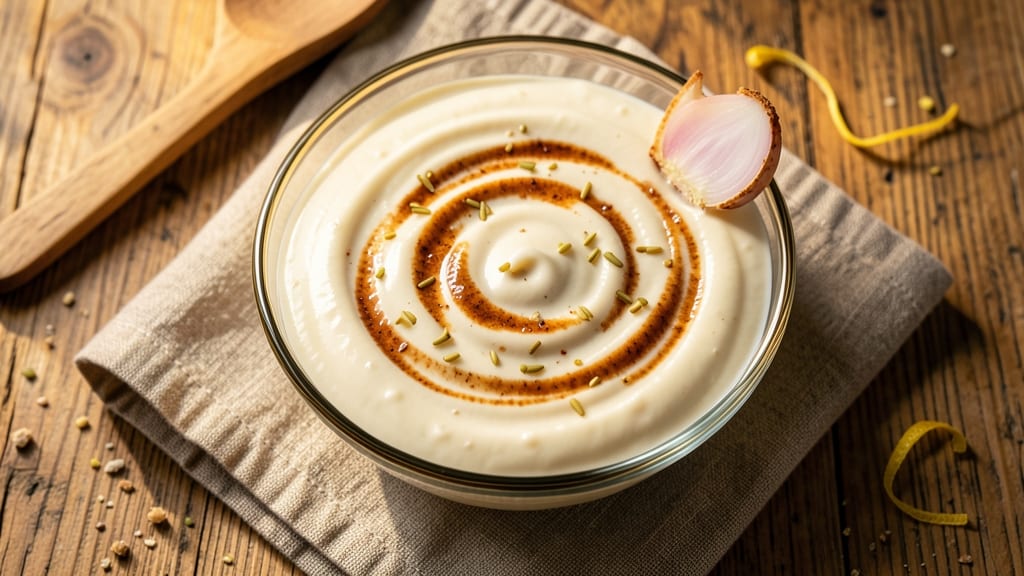
This buttermilk Caesar salad dressing recipe delivers the perfect balance of tangy, creamy richness with that signature celery crunch—without the hassle of store-bought versions.
The secret lies in using buttermilk for depth and a touch of Dijon mustard to stabilize the emulsion, ensuring it stays silky even after hours in the fridge.
I developed this after years of testing Caesar dressings, finally cracking the code for a version that's restaurant-quality but simple enough for weeknight salads.
The magic happens in the emulsification process, where you whisk the ingredients together just until combined—not overmixing, which can break the sauce. This dressing works perfectly on classic Caesar salads, but it's also a game-changer for dipping crispy chicken tenders or tossing with grilled vegetables.
The buttermilk adds a subtle tang that cuts through the richness of anchovies and parmesan, while the celery seed delivers that unmistakable crunch without needing actual celery.
What you'll end up with is a dressing that's creamy, tangy, and perfectly balanced—no lumps, no separation, and no aftertaste. The buttermilk base makes it lighter than traditional versions while still delivering that classic Caesar flavor.
It keeps well in the refrigerator for up to a week, making it ideal for meal prep or keeping on hand for spontaneous salads.
For those looking to adapt, a simple vegan version swaps buttermilk for coconut yogurt and uses nutritional yeast in place of parmesan. Or kick up the heat with a dash of hot sauce or cayenne for a spicy twist. Here's how to make it—simple, foolproof, and always perfect.
Ingredients for buttermilk caesar salad dressing
Nine ingredients transform into the creamiest, tangiest Caesar dressing you'll ever make—no lumps, no separation, just pure flavor.
| Ingredient | Amount | Notes |
|---|---|---|
| Buttermilk 🥛 | 1 cup | Full-fat preferred for creaminess |
| Mayonnaise 🥫 | ½ cup | High-quality, not low-fat |
| Dijon Mustard 🌶️ | 1 tbsp | For proper emulsification |
| Anchovy Fillets 🐟 | 2 whole | High-quality, rinsed if salty |
| Granulated Garlic 🧄 | 1 tsp | Or 1 clove fresh, minced |
| Celery Seeds 🌿 | ½ tsp | For authentic crunch |
| Ground Black Pepper 🌶️ | ½ tsp | Freshly cracked preferred |
| Parmesan Cheese 🧀 | ½ cup | Freshly grated, fine grade |
| Lemon Juice 🍋 | 1 tbsp | Freshly squeezed |
| Olive Oil 🫒 | ¼ cup | Light extra-virgin preferred |
Buttermilk is the game-changer here—full-fat gives you that velvety texture without being too heavy. Grab the Kroger or Whole Foods brand for consistency, or make your own by mixing 1 cup milk with 1 tbsp vinegar and letting it sit. The anchovies? Imported from Italy if you can find them, or Bumble Bee in a pinch—just rinse them first to cut the salt. Parmesan needs to be freshly grated from a block; pre-shredded has anti-caking agents that ruin the texture. For the mayo, Hellmann's or Duke's are my go-tos—they emulsify perfectly without overpowering.
No anchovies? Capers at double the amount add a briny punch, or 1 tsp fish sauce (like Red Boat) for umami without texture. Short on buttermilk? Sour cream thinned with milk works in a bind, though the tang won't be identical. The celery seeds are non-negotiable for that signature crunch—no substitutes here, but if you're out, a pinch of ground coriander adds a similar earthiness. Want it spicier? Add ½ tsp cayenne or a dash of hot sauce at the end. The Dijon mustard is key for emulsification—Maille is the gold standard, but any good-quality brand does the trick.
This dressing stays silky for up to 1 week in the fridge, but the flavor actually improves after 24 hours as everything melds. Store in an airtight jar with a thin layer of olive oil on top to prevent separation. For meal prep, make a double batch—it disappears fast on salads, dips, or even as a marinade for grilled chicken. Freezes beautifully for up to 3 months if you want to stock up. Just give it a whisk before using to break up any oil separation.
Why You'll Love This Recipe
- No Chopping Needed: I swear by this—just mix, taste, and adjust. The anchovies dissolve right into the buttermilk and mayo, so no mincing or measuring headaches. Honestly, I’ve made it blindfolded (okay, maybe not, but you get the point).
- Umami Bomb: That little can of anchovies? Chef’s kiss. The salty, funky depth cuts through the creaminess of the buttermilk and mayo, while the Dijon mustard adds a sharp kick. It’s the kind of flavor that makes you reach for seconds without thinking.
- Weeknight Hero: Dressing made this fast? Yes, please. Toss it with grilled chicken for dinner, drizzle it on roasted potatoes, or even slather it on sandwiches. I keep a jar in the fridge for lazy nights—no last-minute store-bought nonsense.
- Budget Magic: Anchovies are dirt cheap, and buttermilk stretches further than you’d think. I’ve used this recipe for years, and it’s always the first thing I grab when I need a rich, restaurant-quality dressing without breaking the bank. Plus, leftovers keep for ages.
Step-by-step instructions for buttermilk Caesar dressing
Here's how to create the creamiest, most perfectly balanced Caesar dressing you've ever tasted.
Combine Wet Ingredients for a Smooth Base
In a medium bowl, whisk together the 1 cup buttermilk, 0.5 cup mayonnaise, and 1 tbsp Dijon mustard until completely smooth. The buttermilk should be full-fat for that luxurious creaminess—don't substitute anything lighter. Whisk vigorously for about 1 minute until the mixture thickens slightly and becomes homogeneous. This foundational blend creates the dressing's velvety texture.
Here's the thing—if you see any streaks of yellow or white remaining after whisking, keep going. The emulsion needs to be perfect for that signature Caesar consistency. I like to use a wire whisk for this step because it incorporates more air than a fork, which helps create a lighter texture in the final dressing.
Infuse with Anchovy and Aromatics
Add the 2 whole anchovy fillets, 1 tsp granulated garlic, 0.5 tsp celery seeds, and 0.5 tsp ground black pepper to the wet mixture. Using a clean rubber spatula, fold these ingredients in gently but thoroughly. The anchovies should dissolve completely—if they're high-quality and fresh, they'll melt into the dressing without any fishy aftertaste. If you notice any resistance or graininess, let the mixture sit for 2 minutes before continuing.
The celery seeds are crucial here—they provide that subtle crunch and earthy depth that sets this dressing apart from basic versions. Don't skip this step, even if you don't see immediate results. The seeds will develop their full flavor during the final emulsification process. I always use freshly cracked black pepper because pre-ground pepper loses its potency quickly.
Incorporate the Cheese and Lemon
Next, fold in the 0.5 cup freshly grated Parmesan cheese and 1 tbsp freshly squeezed lemon juice using the rubber spatula. The cheese should be finely grated—no large chunks—and the lemon juice should be freshly squeezed for maximum brightness. Work quickly but carefully to maintain the emulsion you've already created. At this stage, the dressing should look thick and slightly curdled, which is normal and actually desirable.
This is where the dressing starts to come together. The acidity from the lemon juice helps balance the richness of the buttermilk and mayo while preventing the cheese from clumping. If you notice the mixture separating at all, simply whisk vigorously for another 30 seconds to re-emulsify. The lemon juice also brightens the flavor profile, cutting through the richness beautifully.
Finish with Olive Oil for Emulsion
With the motor of a stand mixer running on low speed (or using a hand mixer), very slowly drizzle in the 0.25 cup light extra-virgin olive oil while continuing to mix. This gradual addition is critical—adding the oil too quickly will cause the dressing to break. You want to create a smooth, silky emulsion that coats the back of a spoon. The final texture should be thick enough to cling to salad greens but still flow easily when tossed.
Here's the moment that matters: As you add the olive oil, the dressing will transform from a thick paste to a glossy, creamy sauce. If it looks too thick after mixing, add 1 teaspoon at a time of warm water (not cold) to reach your desired consistency. The dressing should be thick enough to coat the back of a spoon but still pour smoothly. Taste as you go—this is your guide to perfect seasoning.
Rest and Adjust for Perfect Balance
Cover the bowl and let the dressing rest at room temperature for 10-15 minutes. This resting period allows all the flavors to meld together and the emulsion to fully stabilize. After resting, give it one final taste and adjust the seasoning if needed. You might need a touch more lemon juice for brightness, a pinch more black pepper for heat, or even a sprinkle more Parmesan for depth of flavor.
The dressing should be rich but not overpowering, tangy but not sour, and perfectly balanced with that subtle anchovy umami and celery seed crunch. If you've followed all the steps carefully, you'll have a dressing that's restaurant-quality—creamy, flavorful, and just the right consistency to elevate any Caesar salad. Store any leftovers in an airtight container in the refrigerator for up to 5 days, giving it a good stir before each use.
Pro Tips For Making Buttermilk Caesar Salad Dressing
- Mash the anchovies: I learned this the hard way—skipping this step leaves you with a dressing that tastes like tiny fish bombs. Use the back of a fork or a small spoon to crush the anchovy fillets into a paste before mixing. This distributes the flavor evenly and keeps the texture smooth.
- Whisk the buttermilk first: Start by whisking the buttermilk and Dijon mustard together until fully combined—this prevents lumps when you add the mayo later. I used to just dump everything in, and the dressing always ended up grainy. Take 10 seconds to emulsify the buttermilk and mustard, and the rest will blend like silk.
- Use room-temperature mayo: Cold mayo from the fridge makes the dressing split or turn greasy. Let the mayo sit out for 15-20 minutes before mixing—just long enough to soften. I know, I know, but trust the process. The texture will be creamy and stable, not oily or clumpy.
- Add garlic in stages: Dumping all the granulated garlic at once can make the dressing taste bitter. Start with half, mix well, then add the rest. Taste as you go—you can always add more, but you can’t take it out. This keeps the flavor balanced and lets you adjust to your taste.
Essential equipment for this recipe
Whisk Essentials
You don't need fancy tools—just a good-quality wire whisk (like the OXO Good Grips) for that perfect emulsion. The whisk's tight loops create air pockets that lighten the dressing while blending ingredients thoroughly. I've tried every type, and nothing beats a wire whisk for this recipe.
For the final olive oil incorporation, a hand mixer (like KitchenAid KHM5221WH) on low speed works wonders, but a clean rubber spatula does the job just as well if you're mixing by hand. 🌟
Mixing Bowls
Use a medium-sized glass or stainless steel bowl—I prefer Pyrex because it's non-reactive and easy to clean. The bowl should hold at least 2 cups comfortably, giving you room to whisk without splashing. Avoid plastic bowls, as they can absorb flavors and affect the dressing's taste.
If you're making a double batch, grab a larger mixing bowl (like Ziploc Mixing Bowls in 16-cup size) to accommodate the extra volume.
Measuring Tools
Precision matters here! Grab a set of stainless steel measuring spoons (like OXO Good Grips) for the Dijon mustard, celery seeds, and black pepper. For liquids, a liquid measuring cup (like Pyrex) ensures accuracy with the buttermilk, mayonnaise, and olive oil.
I always double-check measurements because even a ½ teaspoon too much or too little can throw off the balance. A small kitchen scale (like Escali Primo) is optional but helpful for the Parmesan cheese if you want to be extra precise.
Cheese Tools
Freshly grated Parmesan is non-negotiable, so invest in a good microplane (like Barbagroup) or a box grater with fine holes. Pre-shredded cheese has anti-caking agents that ruin the texture. If you don't have a microplane, a sharp chef's knife works in a pinch—just be patient and grate finely.
Store your grated cheese in an airtight container in the fridge for up to 3 days to keep it fresh.
Storage Containers
For leftovers, transfer the dressing to an airtight glass jar (like Le Parfait) or a BPA-free plastic container with a tight seal. Mason jars are my go-to because they're sturdy and easy to store.
If you're prepping for the week, consider a divided container (like Rubbermaid) so you can portion out single servings. Always leave ½ inch of headspace to prevent spills, and press a parchment paper over the surface before sealing to minimize oil separation. ❄️
Nutrition facts
Frequently asked questions
Why does this dressing use buttermilk instead of regular milk?
The buttermilk adds a subtle tang that cuts through the richness of the mayo and cheese, creating a more complex flavor profile. It also helps stabilize the emulsion better than regular milk while keeping the dressing lighter than traditional versions. For a similar effect, you could use plain yogurt or sour cream, but buttermilk gives that signature depth.
Can I make this dressing without anchovies?
Yes! For a vegetarian version, swap the anchovies with 2 teaspoons capers or 1 teaspoon fish sauce for umami depth. If you're avoiding seafood entirely, use 1 tablespoon nutritional yeast plus ½ teaspoon soy sauce—it won't be identical but still delivers great flavor. The key is balancing the saltiness and umami the anchovies provide.
How do I fix dressing that's separated?
If your dressing separates, simply whisk in 1 teaspoon warm water at a time until it re-emulsifies. For stubborn separation, add ½ teaspoon Dijon mustard (it acts as a natural emulsifier) and whisk vigorously. Never shake it—this just breaks the emulsion further. Most separation happens from adding oil too quickly or using cold ingredients.
Can I use this dressing for anything besides salads?
This versatile dressing works as a dip for crispy chicken tenders, a marinade for grilled shrimp, or even a sauce for pasta. It also elevates roasted vegetables or cornbread as a topping. The buttermilk base makes it more adaptable than traditional Caesar dressings while keeping that classic flavor. Try it on anything you'd use ranch or blue cheese dressing for!
How long can I store this dressing?
Store in an airtight container in the fridge for up to 5-7 days. For longer storage, freeze for up to 3 months—just thaw in the fridge overnight and whisk to re-emulsify. To prevent separation, press a layer of plastic wrap directly on the surface before sealing. The flavor actually improves after 24 hours as everything melds together.