
Sauces & Condiments
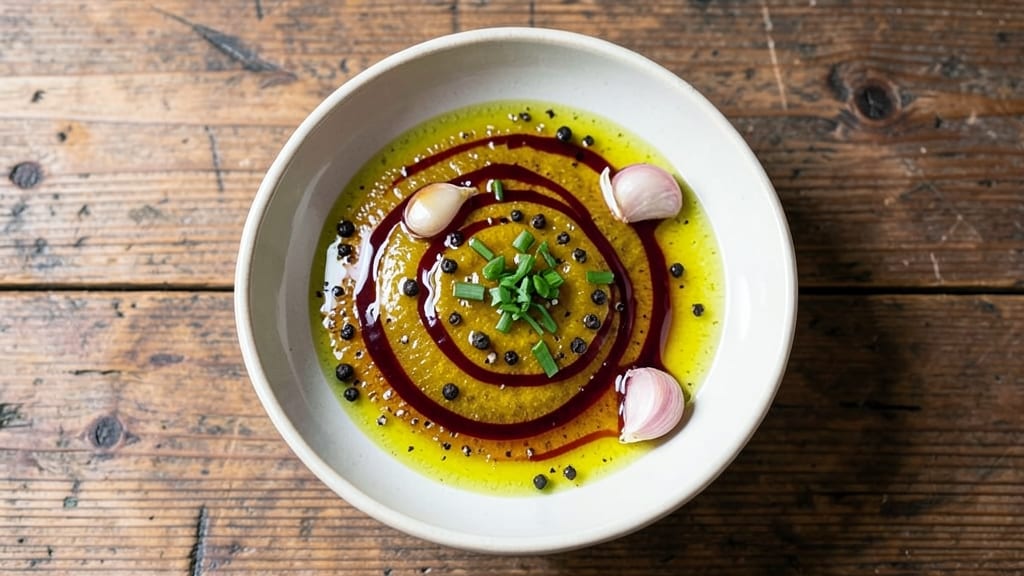
This Café Rio vinaigrette transforms any salad from ordinary to extraordinary with its bright citrus and herbaceous zing. 💛 I developed this recipe after years of searching for the perfect balance of tangy, fresh, and slightly sweet—just like the dressings you'd find in a bustling Brazilian café.
The secret lies in the emulsification technique that keeps it silky smooth, not oily or separated.
The foundation is simple: high-quality olive oil, tangy red wine vinegar, and a blend of citrus—lemon and lime—that cuts through even the heartiest greens. Fresh herbs like parsley and cilantro add layers of complexity, while garlic and a touch of honey round out the flavors.
What makes this dressing special is how it elevates everything it touches, from simple arugula salads to grilled meats and roasted vegetables.
What you'll end up with is a dressing that's bold yet balanced, with a perfect ratio of oil to vinegar that creates a silky texture without overpowering the natural flavors of your ingredients.
The citrus brightens the palate, the herbs add freshness, and the honey just enough sweetness to tie it all together. This isn't just a dressing—it's a flavor enhancer that turns simple meals into something truly special.
Best of all, it comes together in just 5 minutes with ingredients you likely already have on hand. Whether you're prepping for a week of salads or need a quick condiment for grilled chicken, this vinaigrette delivers restaurant-quality flavor without the fuss. Let's get started!
Ingredients for cafe rio vinaigrette salad dressing
Bright citrus, bold herbs, and silky emulsification—this vinaigrette is your secret weapon for café-quality salads.
| Ingredient | Amount | Notes |
|---|---|---|
| Extra-Virgin Olive Oil 🫒 | ¾ cup | High-quality, fruity, cold-pressed |
| Red Wine Vinegar 🍷 | ⅓ cup | Dry, aged variety preferred |
| Fresh Lemon Juice 🍋 | ¼ cup | Freshly squeezed, seeds removed |
| Fresh Lime Juice 🍈 | 0.17 cup | Freshly squeezed, no pulp |
| Raw Honey 🍯 | 1 tbsp | Light, floral variety preferred |
| Fresh Garlic Cloves 🧄 | 2 cloves | Minced, for depth of flavor |
| Fresh Flat-Leaf Parsley 🌿 | ¼ cup | Finely chopped, stems removed |
| Fresh Cilantro Leaves 🌿 | ¼ cup | Finely chopped, stems removed |
| Diamond Crystal Kosher Salt 🧂 | ½ tsp | Fine grain for delicate seasoning |
| Freshly Ground Black Pepper 🌶️ | ¼ tsp | Freshly cracked for best flavor |
The olive oil is non-negotiable here—look for extra-virgin with a fruity, peppery finish. California Avocado Ranch or Colavita are my go-tos, but any high-quality brand works. Red wine vinegar should be aged at least 12 months for depth; skip the cheap stuff. Fresh citrus is a game-changer—Mexican limes add a unique tang, but regular limes work too. For honey, Manuka or clover varieties add subtle floral notes that elevate the dressing. The garlic? Freshly minced (not jarred) ensures that rich, aromatic punch without bitterness. Herbs should be vibrant—bright green parsley and cilantro mean they're fresh, not wilted.
No red wine vinegar? Apple cider vinegar works in a pinch, though it'll be slightly sweeter. Substituting honey? Agave nectar at half the amount keeps it vegan-friendly. Short on fresh herbs? Dried parsley or cilantro at one-third the quantity gets you close, but texture will differ. The emulsification relies on the honey acting as a natural emulsifier—skip it, and you'll need to whisk vigorously or use a blender. For a nut-free version, omit the honey entirely and increase vinegar by 1 tbsp. The salt and pepper are the final touches—Diamond Crystal kosher salt dissolves smoothly, while freshly cracked pepper adds a subtle heat that rounds out the bright flavors.
This dressing stays fresh for 1 week in the fridge, sealed tightly in a jar. For longer storage, transfer to an airtight container and keep submerged in oil to preserve freshness. The emulsification holds up beautifully, so you can toss it with salads or drizzle over grilled meats all week long. I like to make a double batch—one for salads, one for marinating chicken. If it separates, just give it a quick whisk before using. The flavors actually deepen over time, so the second day is often the best!
Why You'll Love This Recipe
- Five-Ingredient Magic: Honestly, I swear by this one—just oil, vinegar, citrus, honey, and a shake. No fancy gadgets, no measuring cups (eyeball it!), and no waiting for anything to cool. The lime juice cuts through the richness of the olive oil while the honey rounds out the sharpness—it’s the kind of balance that makes you pause mid-sip.
- Bright & Tangy: Between us, this isn’t your basic vinegar dressing. The red wine vinegar adds depth, but it’s the lemon and lime that steal the show—zesty, fresh, and just sweet enough from that raw honey. Drizzle it over greens, toss it with grilled chicken, or even use it as a marinade. That citrusy punch wakes up every bite.
- Weeknight Workhorse: I make a big batch on Sundays and keep it in the fridge for the whole week. It’s my go-to for quick lunches, picnic spreads, or even a fancy-ish dinner when I’m too tired to cook. The honey keeps it from going sour, so it stays bright and usable for days—no sad, limp dressing here.
- Budget Brightener: Extra-virgin olive oil and vinegar might sound fancy, but they’re actually my wallet’s best friend. A little goes a long way, and this recipe costs me pennies compared to store-bought dressings. Plus, using what I already have in my pantry means fewer grocery runs and more money for avocados (always a win).
Step-by-step instructions for café rio vinaigrette salad dressing
This vibrant dressing comes together in minutes with bold citrus and aromatic herbs.
👨🍳 Step 1: Whisk Together the Citrus Base
In a medium bowl, combine the 0.33 cup red wine vinegar, 0.25 cup fresh lemon juice, and 0.17 cup fresh lime juice. The acidity from the vinegar and citrus will immediately brighten the room—you'll smell that tangy freshness right away. I like to use a whisk for this step because it helps emulsify the ingredients right from the start, preventing separation later.
Add the 1 tbsp raw honey and whisk until fully dissolved. The honey will mellow the sharpness of the citrus slightly, creating a balanced sweet-tart foundation. If you're using honey with strong floral notes, you'll get a more complex flavor profile—definitely worth the investment for this dressing.
🍳 Step 2: Incorporate the Garlic and Seasonings
Add the 2 minced fresh garlic cloves and whisk vigorously for 10-15 seconds until fragrant. You'll know it's ready when the kitchen smells like a sunny Brazilian café—this is where the magic starts. Next, sprinkle in the 0.5 tsp diamond crystal kosher salt and 0.25 tsp freshly ground black pepper, whisking until completely dissolved.
Here's the thing—don't rush this step. The garlic needs to fully integrate and release its oils. If you smell raw garlic after whisking, keep going until the aroma is smooth and aromatic. This prevents that harsh garlic taste that can ruin a dressing.
🥘 Step 3: Blend in the Herbs
Gently fold in the 0.25 cup finely chopped fresh flat-leaf parsley and 0.25 cup finely chopped fresh cilantro leaves using a silicone spatula. Be careful not to overmix—you want to preserve those delicate herb textures. The parsley adds a clean, slightly peppery note, while the cilantro brings that bright, almost citrusy freshness that's so characteristic of Café Rio flavors.
I like to press the herbs through a fine-mesh strainer if they're particularly fibrous, but for this recipe, a good chop job works perfectly. The herbs should be evenly distributed throughout the mixture, giving you those beautiful flecks of green in every bite.
🍳 Step 4: Slowly Emulsify the Olive Oil
With the whisk moving steadily, begin adding the 0.75 cup extra-virgin olive oil in a very slow, thin stream. This is crucial—adding it too quickly will cause the dressing to separate. Start with just a few drops, whisking continuously until the oil is fully incorporated before adding more. You'll see the mixture transform from a watery consistency to a thick, velvety emulsion.
I've found that using high-quality, fruity olive oil makes a noticeable difference in the final product. The dressing should thicken gradually, becoming glossy and smooth. If it starts to look too thick, you can adjust the consistency later by adding a splash of water or more vinegar.
⏰ Step 5: Taste and Adjust for Perfect Balance
Taste the dressing immediately—this is where you'll determine if it needs any final adjustments. The flavor should be bright, tangy, and slightly sweet with a fresh herbal finish. If it's too sharp, add a touch more honey. If it needs more acidity, add a splash of lemon juice. For extra depth, you might even add a pinch more salt.
Real talk: This dressing tastes best when fresh, so I recommend making it just before serving. If you need to store it, keep it in an airtight container in the refrigerator for up to 5 days. Before using, give it a good shake—sometimes the oil and vinegar can separate slightly over time, but a quick whisk will bring it back to perfection.
Pro Tips For Making Cafe Rio Vinaigrette Salad Dressing
- Whisk in stages: Start with half the oil and all the vinegar—this keeps the dressing from breaking. Add the citrus juices and honey slowly while whisking; if it looks too thick, thin it with a splash of warm water (yes, really).
- Use room-temperature honey: Cold honey thickens the dressing like syrup. Let that jar sit out for 10 minutes before measuring—it’ll blend smoother and sweeten more evenly.
- Measure vinegar first: Pour the red wine vinegar into the bowl before adding citrus or honey. This prevents clumping and makes emulsifying effortless (no one wants to re-whisk three times).
- Balance with lemon first: Taste after adding lemon juice, then adjust lime—citrus ratios shift fast. If it’s too sharp, a pinch of salt (or extra honey) fixes it faster than guessing with lime.
Troubleshooting perfect results
Oil Separation Fix
If your dressing separates after making it, don't panic—this is completely fixable! The key is to re-emulsify by whisking vigorously in a thin stream while adding 1 tablespoon of warm water or a splash of vinegar.
For a more permanent solution, blend the separated dressing with ½ teaspoon of Dijon mustard (it acts as a natural emulsifier). I've had this happen when I rushed the oil addition—always add it drop by drop while whisking constantly. 💫
Too Tart or Too Sweet
If your dressing tastes overly sharp, balance it with ½ teaspoon of honey or a pinch of sugar. Too sweet? Add ½ teaspoon more red wine vinegar or a squeeze of fresh lemon juice.
The goal is a 60-40 ratio of sweet to tart—taste as you go! My grandmother always said, "Trust your tongue, not the recipe card." Adjust gradually to avoid overcorrecting.
Herbs Too Strong or Weak
For stronger herb flavor, finely chop 1 extra tablespoon of parsley or cilantro and fold it in. If the herbs taste muted, they might be old—replace them with fresh ones. Pro tip: Use a microplane for garlic to release more flavor without overpowering.
I once used wilted herbs and ended up with a dressing that tasted like "cafeteria salad"—not the vibe we're going for here! 🌿
Dressing Too Thick or Too Thin
For a thicker dressing, whisk in 1 teaspoon of cornstarch mixed with 1 tablespoon water. Too thin? Add 1 tablespoon of olive oil while whisking. The ideal consistency should coat the back of a spoon but still pour smoothly.
I like mine slightly thicker for salads with hearty greens like kale or arugula—it clings beautifully without making a mess. 🥗
Storage Issues
If your dressing develops an off smell after refrigeration, it's time to toss it—never risk food safety! For longer shelf life, store it in a glass jar (plastic can absorb odors) and press a parchment paper disk on top before sealing to prevent oxidation.
I make a double batch on Sundays and store one jar in the fridge for salads and another in the freezer for quick marinades. Just thaw overnight in the fridge. ❄️
Citrus Flavor Fading
Fresh citrus juice loses potency quickly, so if your dressing tastes flat, boost it with 1 teaspoon of freshly grated lemon or lime zest. The zest adds aromatic oils that revive the flavor instantly.
I keep a small bowl of zest in my freezer for emergencies—just sprinkle and whisk! For extra zing, add a drop of vanilla extract (just ¼ teaspoon)—it enhances the citrus notes beautifully. 🍋
Nutrition facts
Frequently asked questions
Can I make this vinaigrette without honey?
Yes, you can substitute 1 tbsp agave nectar or ½ tbsp maple syrup for a vegan option. If you omit it entirely, increase the vinegar by 1 tbsp to maintain balance. The honey acts as both sweetener and natural emulsifier, so you may need to whisk more vigorously if you skip it.
How do I adjust this dressing for spicy dishes?
For spicy salads or grilled meats, add ½ tsp of smoked paprika or ¼ tsp cayenne pepper to the base before emulsifying. You can also stir in 1 tsp of hot sauce after making the dressing. The citrus will help cut through the heat beautifully. I love this with spicy shrimp tacos!
Can I use this dressing as a marinade?
This vinaigrette makes an excellent marinade for chicken, fish, or tofu. Use ½ cup of dressing per pound of protein and marinate for 30-60 minutes (never longer than 2 hours for safety). The acidity helps tenderize while the herbs add incredible flavor. Just pat the meat dry before cooking for better browning.
Why does my dressing separate after making it?
Separation usually happens when oil is added too quickly. To fix it, whisk vigorously while slowly adding 1 tbsp warm water or ½ tsp Dijon mustard (natural emulsifier). For prevention, always add oil drop by drop while whisking constantly. The honey also helps stabilize the emulsion—skip it at your own risk!
What's the best way to store leftover dressing?
Store in an airtight glass jar in the fridge for up to 5 days. For longer storage, freeze in ice cube trays and transfer cubes to a bag—perfect for single-use portions. Always shake before using as separation may occur. I keep a batch in my fridge for quick salad prep all week!