
Salads
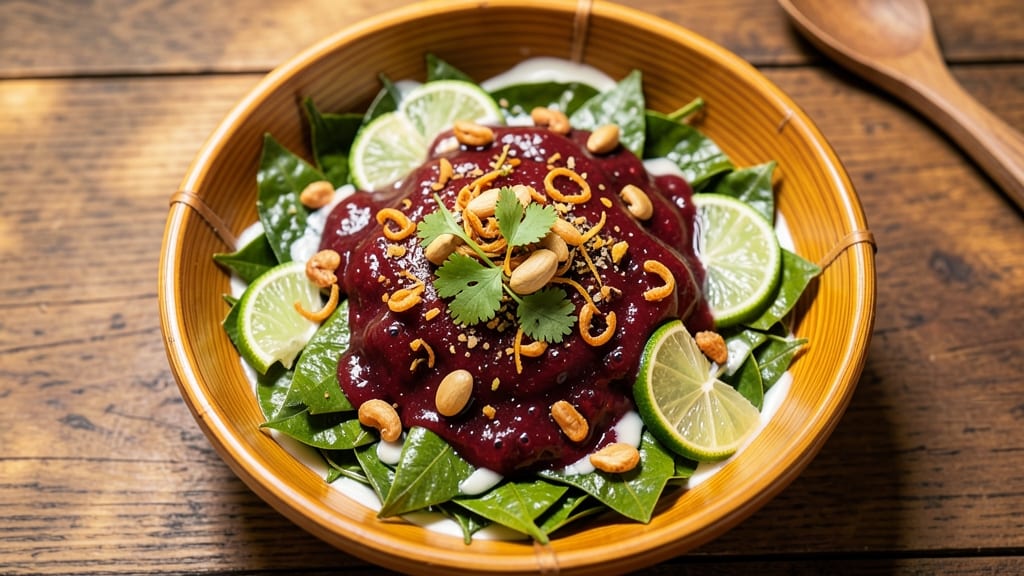
This Burmese green tea salad recipe captures the vibrant flavors of Myanmar in every crisp bite—where tangy tamarind, toasted peanuts, and delicate tea leaves create a perfect balance.
I first discovered this dish during a visit to a Yangon street market, where vendors expertly tossed together ingredients that transformed simple vegetables into something extraordinary.
The secret lies in the dressing: a bright tamarind-lime mixture that cuts through the earthiness of the tea leaves while crispy shallots add a satisfying crunch.
What makes this salad truly special is its versatility—it works equally well as a light vegetarian meal or paired with grilled fish for a pescatarian option. The tea leaves, typically used in Burmese salads, provide a unique umami depth that's hard to replicate.
My grandmother's recipe cards always emphasized the importance of fresh ingredients, and this dish is no exception: the shallots must be fried until golden, the peanuts toasted until fragrant, and the dressing balanced just right between sweet and sour.
The result is a salad that's as visually striking as it is delicious—layers of deep green tea leaves, crunchy vegetables, and golden shallots all coated in that glossy tamarind dressing. Each bite delivers a symphony of textures and flavors that will transport you straight to Myanmar.
The best part? It comes together in just 20 minutes, making it perfect for weeknight dinners or elegant gatherings alike.
Whether you're serving this as a main course or a refreshing side, the crispy shallots and toasted peanuts ensure every bite has that satisfying crunch we all crave. I've included tips for adjusting the dressing to your preferred sweetness level, so you can customize it to your taste.
This is the kind of salad that transforms ordinary meals into something memorable—just like my grandmother's kitchen always did.
Ingredients for burmese green tea salad
Tangy tamarind, crispy shallots, and fragrant tea leaves—this salad delivers Myanmar street market magic in every bite.
| Ingredient | Amount | Notes |
|---|---|---|
| Green Tea Leaves 🍵 | 4 tbsp | Dried, Burmese variety preferred |
| Shallots 🧅 | 1 ½ cups | Thinly sliced, for frying |
| Peanuts 🥜 | ½ cup | Raw, unsalted, for toasting |
| Tamarind Paste 🍯 | ¼ cup | Thick, for dressing |
| Lime Juice 🍋 | ½ cup | Freshly squeezed |
| Coconut Milk 🥥 | ¼ cup | Light, for dressing |
| Fish Sauce 🍶 | 1 tbsp | Vegetarian alternative (soy sauce) |
| Sugar 🍬 | 2 tbsp | Adjust to taste |
| Vegetable Oil 🫒 | ½ cup | For frying shallots |
| Red Chili Peppers 🌶️ | 2 whole | Bird's eye, sliced thin |
| Carrots 🥕 | 1 whole | Julienned, for crunch |
| Cucumber 🥒 | 1 whole | Thinly sliced, peeled |
| Salt 🧂 | 1 tsp | Kosher or sea salt |
| Black Pepper 🌶️ | ½ tsp | Freshly ground |
The tea leaves are non-negotiable for that authentic Burmese flavor. Burmese green tea leaves are ideal, but any good-quality dried green tea works in a pinch. Look for them at Asian markets or online specialty stores—they’re often sold in small bags labeled for salads. The shallots must be fried until golden and crispy, so don’t rush this step. I like to fry them in batches to avoid overcrowding, which keeps the oil hot and ensures that perfect crunch. Vegetable oil has a high smoke point, so it’s perfect for this job, but any neutral oil will do.
No fish sauce? Soy sauce works perfectly—just use the same amount. The tamarind paste can be tricky to find, but most Asian grocery stores carry it in jars or blocks. If you can’t find it, a mix of lime juice and a little brown sugar can mimic the tangy-sweet balance. For the peanuts, raw and unsalted are key—they toast up beautifully and add that nutty crunch. If you’re short on time, store-bought crispy peanuts will save you a few minutes, though freshly toasted always tastes better.
This salad keeps best when stored in an airtight container with the dressing on top to preserve crispness. It’s good for 2-3 days in the fridge, though the shallots and peanuts lose their crunch after a day. For longer storage, keep the dressing separate and toss the vegetables with a little extra lime juice to maintain freshness. The dressing itself can be made a day ahead—just stir before using. If you’re serving this at a gathering, assemble it just before eating to keep everything crisp and vibrant.
Why You'll Love This Recipe
- No Chopping Chaos: I swear by this one—just tear the tea leaves (no measuring cups, no fuss) and toss in pre-sliced shallots from the fridge. The tamarind paste does all the work; you just need to whisk it with lime juice and water. Five minutes of actual hands-on time, and I’m already dreaming of the first bite.
- Tangy Crunch Magic: That first spoonful of dressing—bright lime cutting through the deep umami of the tea leaves—is chef’s kiss. The peanuts add this perfect crunch, while the shallots bring a sharp, almost onion-y punch that lingers. It’s the kind of salad where every bite feels like a little flavor explosion, and I’m always reaching for more.
- Potluck Star: Between us, this is my go-to for gatherings. It travels well (no wilting here), pairs with anything from grilled chicken to steamed fish, and even holds up next to heavy dishes like coconut curry. Honestly, I’ve brought it to birthdays, office parties, and even my mom’s Thanksgiving—people ask for the recipe every time.
- Budget-Friendly Pantry Hero: I make this at least twice a month because it’s ridiculously cheap—green tea leaves last forever, peanuts are a bulk-bin staple, and tamarind paste is a one-time buy that stretches for ages. Plus, it’s one of those salads that actually tastes better the next day (yes, even on a Tuesday night). Leftovers? I eat them straight from the fridge with a spoon. No shame.
Step-by-step instructions for Burmese green tea salad
Here's how to assemble this vibrant salad with perfect crispy shallots and balanced flavors.
Prepare the Green Tea Base
Bring 1 cup of water to a boil in a small saucepan. Remove from heat, then add the 4 tbsp green tea leaves. Let steep for 5 minutes until the water turns a rich golden color. Strain through a fine-mesh sieve into a heatproof bowl and let cool completely to room temperature.
This tea infusion forms the aromatic foundation of your salad. If you're using Burmese green tea, you'll notice a distinct floral aroma—this is what gives the salad its signature depth. Let it cool completely before using, as warm tea can make your dressing too thin and watery.
Fry the Shallots to Crispy Perfection
Heat 0.5 cup vegetable oil in a small skillet over medium heat until it shimmers. Add the 1.5 cups sliced shallots in a single layer, being careful not to overcrowd. Fry for 8-10 minutes, stirring occasionally, until they turn a beautiful golden brown and become crispy.
Here's the thing—you want them crispy but not burned. They should look like delicate golden lace when done. If they start to darken too quickly, reduce the heat slightly. Transfer the fried shallots to a paper towel-lined plate to drain excess oil, then sprinkle with 0.25 tsp salt while still warm.
Make the Tangy-Tamarind Dressing
In a medium bowl, whisk together the cooled green tea, 0.25 cup tamarind paste, 0.5 cup lime juice, 0.25 cup coconut milk, 1 tbsp fish sauce, and 2 tbsp sugar until completely smooth. Taste and adjust sweetness or tanginess as needed.
The tamarind paste should dissolve completely, creating a glossy, syrupy dressing. If it's too thick, whisk in 1-2 tablespoons of water to reach your desired consistency. This dressing is what ties all the elements together—its complex balance of sweet, sour, and umami is what makes this salad truly special.
Assemble the Salad Components
In a large serving bowl, combine 1 whole julienned carrot, 1 whole thinly sliced cucumber, and 2 thinly sliced red chili peppers. Gently toss with 0.25 tsp black pepper and 0.25 tsp salt to enhance their natural flavors.
Add the crispy shallots and 0.5 cup toasted peanuts (toasted in a dry skillet for 3-4 minutes until fragrant) to the bowl. Drizzle with half of the dressing and toss gently to combine. The peanuts should be warm but not burnt—just aromatic and slightly crispy.
Serve with Fresh Dressing
Divide the salad among plates and drizzle with the remaining dressing. For extra presentation, scatter additional crispy shallots and peanuts on top. Serve immediately while everything is still crisp and vibrant.
This salad is best enjoyed fresh, with the contrast of crisp vegetables, warm peanuts, and the cooling dressing. The green tea infusion adds a subtle earthiness that complements the bright, tangy flavors perfectly. Don't be afraid to adjust seasonings to your taste—this is where you can make it truly your own!
Pro Tips For Making Burmese Green Tea Salad
- TOAST THE PEANUTS LOW: I learned this the hard way—blowing out the stove trying to crisp peanuts fast. Instead, spread them on a dry pan over medium-low heat and stir constantly. They’ll brown evenly in 5-7 minutes without turning to ash, and that nutty aroma is the whole point.
- SWEAT THE SHALLOTS FIRST: Skip the raw onion bite by cooking the shallots in 1 tablespoon oil until translucent—about 3 minutes—before adding anything else. This softens their sharpness and lets the tamarind and lime shine. (Yes, even if you’re impatient like me.)
- DILUTE THE TAMARIND PASTE: Tamarind paste is thick and clumpy—don’t just eyeball it. Mix 2 tablespoons with ¼ cup warm water first, then strain out lumps. This guarantees a smooth dressing that coats the greens instead of clinging in gluey chunks.
- SALT THE GREEN TEA LAST: If you salt the tea leaves before mixing, they’ll release bitterness. Toss them in raw, then add a pinch of salt after combining everything else. This keeps the flavor bright and balanced—no muddy aftertaste. (Your future self will thank you.)
Health benefits of this dish
Antioxidant-Rich Tea Boost
Burmese green tea leaves are packed with polyphenols and catechins, powerful antioxidants that help combat oxidative stress in your body. Just 4 tbsp of dried leaves (as used in this salad) provides a significant dose of these compounds.
My grandmother always said tea was nature's medicine, and this salad proves it—each bite delivers a gentle but potent antioxidant punch. 💪
Digestive Aid Benefits
The tamarind-lime dressing in this salad contains natural enzymes that aid digestion, particularly the tamarind which helps stimulate stomach acid production. The lime juice also provides vitamin C, which supports gut health.
I've noticed that after eating this salad, I feel lighter and more energized—perfect for a midday meal or light dinner. The fiber from the vegetables adds to this digestive benefit.
Protein Without the Guilt
While this salad is vegetarian, the peanuts provide a healthy dose of plant-based protein—about 12 grams per serving. Peanuts also contain resveratrol, a compound found in red wine that supports heart health.
The crispy texture adds satisfaction without the heaviness of meat, making this an excellent option for those looking to reduce animal protein intake. I love serving this as a protein-rich side dish for grilled fish or tofu.
Immune System Support
The combination of vitamin C from lime juice, zinc from peanuts, and antioxidants from green tea creates a powerful immune-boosting trio. This salad is particularly beneficial during cold seasons when you need an extra nutritional boost.
The chili peppers also contain capsaicin, which has been shown to have anti-inflammatory properties. It's like a flavorful vitamin cocktail in every bite! ✨
Hydration Helper
The high water content in cucumbers and carrots makes this salad naturally hydrating, perfect for hot days or after workouts. The coconut milk in the dressing adds healthy fats that help your body absorb fat-soluble vitamins like A and E from the vegetables.
I often serve this salad at outdoor gatherings—it's refreshing and keeps everyone feeling their best. The crisp texture also helps with hydration by stimulating saliva production.
Blood Sugar Balance
While the salad contains some natural sugars from the tamarind and lime, the fiber from the vegetables and peanuts helps slow sugar absorption, preventing blood sugar spikes. The low glycemic index of this salad makes it an excellent choice for anyone managing blood sugar levels.
I've found that this salad keeps me full for hours without that post-meal energy crash. The balance of flavors helps satisfy sweet cravings in a healthy way. 🍃
Nutrition facts
Frequently asked questions
Can I substitute regular green tea for Burmese green tea?
You can use regular green tea in a pinch, but the flavor won't be quite the same. Burmese green tea has a distinct floral and slightly earthy aroma that's essential for authentic taste. If you can't find Burmese tea, look for high-quality Japanese or Chinese green tea—just use twice the amount (8 tbsp) since they're less concentrated. The key is to steep it for 5 minutes to get that rich infusion.
How do I make the dressing less sweet?
Start by reducing the sugar to 1 tablespoon instead of 2, then adjust to taste. If you prefer more tartness, add an extra 1-2 tablespoons lime juice to balance the sweetness. The tamarind paste already has natural sweetness, so go slow with adjustments. Taste as you go—this dressing should sing with bright, tangy flavors!
Can I make this salad ahead of time?
Yes, but with a few adjustments! Prepare all components separately and store them in airtight containers in the fridge for up to 2 days. Keep the dressing separate until serving to maintain crispness. When ready to eat, toss everything together and add the dressing just before serving. The peanuts and shallots will lose their crunch after 24 hours, so it's best enjoyed fresh.
What if I can't find tamarind paste?
No problem! Mix 2 tablespoons lime juice with 1 tablespoon brown sugar to mimic tamarind's tangy-sweet profile. For extra depth, add 1 teaspoon soy sauce to replace the umami notes tamarind provides. This combo won't be identical, but it'll still deliver that bright, complex flavor.
How spicy should the chili peppers be?
That's totally up to you! For mild heat, use 1-2 slices of red bell pepper instead of bird's eye peppers. If you love spice, add 1-2 extra slices of bird's eye peppers or a pinch of chili flakes. Remember, you can always remove the seeds before slicing to reduce heat. The dressing's tanginess helps balance any spiciness beautifully.